How to Buy and Collect Pokemon Cards in Qatar: The Complete 2026 Guide
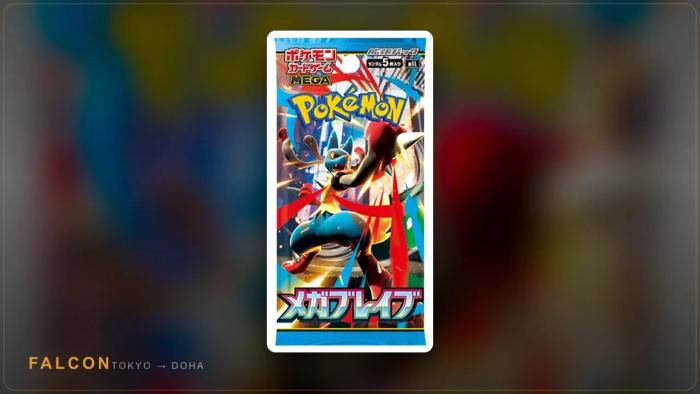
Pokemon cards have grown from a childhood hobby into a serious collecting and cultural pursuit across the Gulf, and Qatar sits right at the center of that momentum. Whether you live in Doha, Al Rayyan, Al Wakrah, Lusail, or Al Khor, more collectors than ever are looking for authentic Japanese Pokemon cards, sealed booster boxes, and graded singles. Yet buying from a small local market can feel confusing. Prices vary widely, counterfeit cards circulate, shipping from Japan raises questions about customs and delivery times, and the intense summer heat introduces storage challenges that collectors in cooler climates never worry about. This guide is written specifically for people buying and collecting in Qatar. It walks through where and how to buy, how to pay in Qatari Riyal, what to expect when a parcel arrives from Japan, how to spot fakes, how to protect your cards from humidity and heat, and how to think sensibly about value without treating cards as a guaranteed investment. The goal is to help you build a collection you genuinely enjoy while avoiding the most common and expensive mistakes.
Why Japanese Pokemon Cards Are Popular in Qatar
Qatar has a young, internationally connected population, and interest in Japanese pop culture, anime, and gaming has grown steadily over the past decade. Pokemon sits at the heart of that interest. Many collectors in Doha and Lusail specifically seek out Japanese-language cards rather than English ones, and there are good reasons for that preference. Japanese sets are usually released earlier than their international counterparts, so collectors who want the newest artwork often go straight to the Japanese market. The print quality is widely regarded as excellent, with crisp centering and vivid holographic patterns.
There is also the appeal of exclusivity. Certain promotional cards, special box sets, and collaboration products are only ever released in Japan, which makes them highly desirable to collectors worldwide. For someone building a collection in Qatar, importing directly from Japan opens the door to cards that simply never reach general retail shelves in the region. Combine that with the visual beauty of the artwork and the nostalgia many adults feel for the franchise, and it is easy to understand why the hobby continues to expand across the country.
Collector versus player demand
It helps to know why you are buying. Some people collect for the artwork and long-term enjoyment, others chase competitive tournament cards, and a growing group treats certain cards as alternative assets. Each goal points you toward different products. Art collectors gravitate to special illustration rares and full-art cards, competitive players want efficient playable staples, and value-focused buyers tend to prefer sealed products and professionally graded singles. Being honest about your motivation prevents impulse purchases you later regret.
Where to Buy Pokemon Cards in Qatar
Collectors in Qatar generally have three routes to buy cards, and most experienced hobbyists use a mix of all three. The first is local hobby shops and toy stores in and around Doha, which occasionally stock Pokemon products alongside other trading card games. The advantage is that you can inspect the item in person and take it home immediately. The disadvantage is limited and unpredictable selection, since these shops rarely specialize in Japanese imports and may not carry the specific sets or singles you want.
The second route is local community selling, including collector groups, hobby meetups, and social media marketplaces where residents of Al Rayyan, Al Wakrah, and Doha trade among themselves. This can be a good way to find specific singles and to meet other collectors, but it carries the highest risk of counterfeits and mispriced items because there is no professional verification behind most private sales.
The third route, and the one most relevant to serious collectors of Japanese cards, is importing from a specialist based in Japan that ships to Qatar. This gives you access to the full breadth of Japanese products, clear descriptions of card condition, and a professional process. The trade-off is that you must account for shipping time and customs, which we cover in detail below.
- Local hobby and toy shops in Doha for immediate, in-person purchases with limited selection
- Community groups and marketplaces across Al Rayyan, Al Wakrah, and Doha for peer trading with higher counterfeit risk
- Specialist importers based in Japan for the widest authentic selection shipped directly to your address in Qatar
- Graded-card specialists when you want a professionally authenticated and condition-verified single
Paying in Qatari Riyal and Payment Methods
Understanding how you will pay is just as important as choosing what to buy. Most collectors in Qatar are comfortable paying in Qatari Riyal using a local debit or credit card, and reputable importers display prices clearly and process card payments securely. When buying from a store that lists prices in another currency, remember that your bank applies a conversion rate and often a small foreign transaction fee, so the final amount charged to your account can differ slightly from the sticker price. Always confirm the currency shown at checkout before you confirm the order.
Common payment options
- Local debit and credit cards, the most common method and usually the simplest for Qatar residents
- PayPal, which adds a layer of buyer protection and is widely accepted by international sellers
- Wise and similar services, useful for international transfers with transparent conversion rates
- Cash on delivery or in-person cash, which appears mainly in local peer sales and offers no formal protection
Whichever method you choose, keep a record of every transaction. A confirmation email, an order number, and a receipt showing the amount and currency are your evidence if anything goes wrong. For higher-value purchases, favor payment methods that offer some form of dispute resolution rather than irreversible cash transfers to strangers.
Shipping From Japan, Delivery Times, and Customs
When you import cards from Japan to Qatar, the two things you care about most are how long delivery takes and what happens at customs. International parcels are commonly sent by express postal services such as EMS or by private couriers. Express postal delivery from Japan to Qatar typically takes several days to around two weeks depending on processing, flight schedules, and customs handling, while private couriers can sometimes be faster but often cost more. Delivery windows are estimates, not guarantees, so plan for some variability rather than expecting an exact date.
Every international parcel entering Qatar passes through customs. Depending on the declared value and current regulations, your shipment may be subject to import duties or fees before it is released. These charges are set by the authorities and are separate from what you pay the seller. As the recipient, you are generally responsible for any applicable import charges, so it is wise to budget a margin above the purchase price rather than assuming the sticker price is the total cost of getting the card into your hands.
Making customs smoother
- Keep your order confirmation and receipt accessible in case you need to show the declared value
- Provide a complete, accurate delivery address including building and zone details common in Qatari addresses
- Ensure your phone number is correct so the courier or postal service can reach you for delivery or clearance
- Expect that high-value shipments may take longer to clear and may attract additional charges
Spotting Fakes and Authenticating Cards
Counterfeit Pokemon cards are a real problem worldwide, and they circulate in the Gulf as well, particularly through unregulated private sales. Learning a few authentication basics protects both your wallet and your collection. Genuine Japanese cards have a distinctive feel and finish. The cardstock has a specific weight and stiffness, the printing is sharp with no blurring or dot patterns visible to the naked eye, and holographic areas reflect light in a consistent, high-quality way. Many fakes feel too thin or too glossy, show fuzzy text under close inspection, or have colors that look slightly off.
Practical checks
- Compare against a card you already know is genuine, checking weight, texture, and print sharpness
- Examine the text and small logos under good light for blurriness or incorrect fonts
- Look at the holographic pattern, which on fakes is often either too uniform or unnaturally shiny
- Be suspicious of prices that are far below the typical market range, since deals that seem too good usually are
For expensive cards, professional grading is the strongest form of authentication. A graded card arrives sealed in a tamper-evident holder with a verified authenticity and condition assessment, which removes most of the guesswork. If you are spending a significant amount, buying an already graded card or one from a seller who guarantees authenticity is far safer than trusting photos of a raw card from an unknown source.
Storing and Protecting Cards in Qatar's Climate
Qatar's climate is one of the most important and most overlooked factors for collectors in the region. Summers are extremely hot, and outdoor humidity can be high near the coast in Doha and Lusail. Heat and humidity are the natural enemies of paper-based collectibles. Excessive heat can warp cards and damage protective sleeves, while humidity can cause warping, clouding, and even mold over time. A card that would stay pristine for decades in a temperate climate can degrade much faster if it is stored carelessly in a Qatari home or, worse, left in a parked car.
Storage recommendations
- Keep cards indoors in an air-conditioned, climate-stable room rather than a garage, majlis without cooling, or storeroom
- Use penny sleeves plus hard top loaders or, for valuable cards, sealed rigid holders to limit air and moisture exposure
- Store binders and boxes away from windows and direct sunlight, which fades ink and raises local temperature
- Consider silica gel desiccant packs inside storage boxes to help control humidity, replacing them periodically
- Never leave cards in a vehicle, where interior temperatures can climb high enough to cause permanent damage within minutes
Understanding Card Condition: PSA 10 Versus Lower Grades
As you spend more on cards, condition becomes the single biggest factor in value, and this is where grading terms like PSA 10 come in. Professional grading companies assess a card's centering, corners, edges, and surface, then assign a numeric grade. A gem mint grade at the top of the scale represents a card that is essentially flawless to the eye, with perfect centering and no visible wear. Lower grades indicate visible imperfections such as slightly off-center printing, soft corners, edge wear, or surface scratches.
The difference in market value between a top grade and a mid grade of the same card can be very large, because top-grade examples are scarcer and more sought after. For collectors, this has two practical implications. First, if you are buying a graded card, understand exactly what the grade means and pay a price appropriate to that grade rather than a top-grade price for a mid-grade card. Second, if you own valuable raw cards in excellent condition, grading them can both authenticate and potentially increase their value, though grading has its own cost and turnaround time.
- Gem mint top grades command the highest prices and are the hardest to obtain
- Mid grades are more affordable and perfectly fine for collectors who value the card itself over the number
- Raw, ungraded cards are cheaper but carry authenticity and condition uncertainty unless bought from a trusted source
- The gap in price between grades varies by card, so always research the specific card rather than assuming a fixed premium
Thinking About Value and Investment Sensibly
It is impossible to ignore that some Pokemon cards have sold for large sums, and this naturally leads people to ask whether cards are a good investment. The honest answer is that no one can promise this. Card prices move up and down based on demand, rereleases, trends, and the wider collectibles market, and past increases are not a guarantee of future gains. Anyone who tells you a specific card will definitely rise in value is not being straight with you. Market values are variable and should always be verified against current sources at the time you buy or sell.
A healthier mindset
The collectors who enjoy the hobby most, and who tend to avoid painful losses, treat cards first as something they love to own and only second as something that might hold or grow in value. If you buy cards you genuinely like, you win regardless of what the market does. If you buy purely to flip for profit, you are taking on real risk in a market that can be illiquid and volatile. Diversify, never spend money you cannot afford to lose, and confirm current market prices before any significant purchase rather than relying on a headline figure from years ago.
Building Your Collection Step by Step
Starting a collection in Qatar is easier when you have a plan. Begin by deciding what you actually want to collect, whether that is a specific set, a favorite Pokemon, artwork you love, or competitive playable cards. A focused collection is more satisfying and more affordable than trying to buy everything. Set a monthly budget you are comfortable with, including a margin for shipping and customs, and stick to it. Buy from sources that describe condition clearly and stand behind authenticity, and keep records of what you paid.
- Choose a clear focus so your collection has direction and stays within budget
- Buy protective supplies before your cards arrive so nothing sits unprotected
- Prepare climate-stable storage in advance given Qatar's heat and humidity
- Keep receipts and order records for customs, warranty, and future resale
- Connect with other collectors in Doha and beyond to learn and trade safely
Above all, enjoy the process. Collecting is a long-term hobby, and the pleasure comes from steady, thoughtful additions rather than rushed purchases. With authentic sources, sensible payment habits, an understanding of shipping and customs, and proper climate-aware storage, you can build a collection in Qatar that is both a joy to own and well protected for years to come.
Frequently asked questions
How long does it take for Pokemon cards to ship from Japan to Qatar?
Express postal services such as EMS typically deliver from Japan to Qatar within several days to around two weeks, depending on processing, flight schedules, and customs clearance. Private couriers can sometimes be faster but usually cost more. All delivery windows are estimates rather than guarantees, so plan for some variability.
Will I have to pay customs or import fees on Pokemon cards in Qatar?
Every international parcel entering Qatar passes through customs, and depending on the declared value and current regulations your shipment may be subject to import duties or handling fees before release. These charges are set by the authorities and are separate from the seller's price, and as the recipient you are generally responsible for them. Budget a margin above the purchase price to be safe.
Can I pay in Qatari Riyal when buying Japanese Pokemon cards?
Yes. Many collectors pay in Qatari Riyal using a local debit or credit card, and reputable sellers process payments securely. If a store lists prices in another currency, your bank applies a conversion rate and sometimes a small foreign transaction fee, so always check the currency shown at checkout before confirming the order.
How can I tell if a Pokemon card is fake?
Genuine Japanese cards have a specific weight and stiffness, sharp printing with no visible blurring, and consistent high-quality holographic areas. Fakes often feel too thin or too glossy, show fuzzy text under close inspection, or have slightly off colors. Compare against a card you know is genuine, and for expensive cards prefer professionally graded examples or sellers who guarantee authenticity.
How should I store Pokemon cards in Qatar's hot climate?
Keep cards indoors in an air-conditioned, climate-stable room, away from windows and direct sunlight. Use sleeves and hard top loaders or sealed rigid holders for valuable cards, and consider silica gel packs inside storage boxes to control humidity. Never leave cards in a parked car, where heat can warp them and melt sleeves within minutes.
What is the difference between a PSA 10 and a lower grade card?
A PSA 10 gem mint grade represents a card that is essentially flawless, with perfect centering and no visible wear, and it commands the highest prices because such examples are scarce. Lower grades indicate visible imperfections such as off-center printing, soft corners, or surface scratches, and sell for considerably less. Always pay a price appropriate to the actual grade.
Are Pokemon cards a good investment in Qatar?
No one can promise that any card will rise in value. Prices move up and down based on demand, rereleases, and market trends, and past gains do not guarantee future ones. The healthiest approach is to buy cards you genuinely enjoy owning and to treat potential value as a bonus. Always verify current market prices before any significant purchase.
Where is the best place to buy authentic Japanese Pokemon cards in Qatar?
For the widest authentic selection, importing from a specialist based in Japan that ships to Qatar gives you access to products that rarely reach regional shelves, with clear condition descriptions. Local hobby shops in Doha are convenient for immediate purchases but carry limited stock, while peer sales in communities across Al Rayyan and Al Wakrah offer variety at higher counterfeit risk.