Buying Japanese Pokemon Cards in Qatar: The 2026 Complete Guide

Japanese Pokemon cards have grown from a childhood hobby into one of the most closely followed collectible markets in the world, and interest across the Gulf has risen sharply over the last few years. In Qatar, more collectors are looking for a way to buy genuine Japanese cards without gambling on unfamiliar overseas sellers, guessing at exchange rates, or worrying about whether a card is real. This guide was written to answer that need in one place. It is long on purpose, because buying well is mostly about understanding a handful of ideas properly rather than memorizing a hundred small tricks.
Why Japanese Pokemon cards, and why the source matters
Japanese Pokemon cards are printed in Japan for the Japanese market, and many collectors consider them the origin point of the hobby. Sets are released in Japan first, artwork is often exclusive to Japanese print runs, and the production quality has a reputation for sharp, consistent printing. For a collector, that combination of history and craftsmanship is a large part of the appeal, and it is why a Japanese card in strong condition can carry a meaningful premium over an equivalent card from another region.
The word authentic matters more here than in almost any other collectible category. A Pokemon card is small, light, and easy to copy at a glance, which means the market attracts counterfeits at every price level. A convincing fake can fool a quick look under bad lighting, so the safest approach is to treat the source of a card as part of the product itself. Where a card came from, who handled it, and how its authenticity was confirmed are not side details. They are the difference between an asset and a disappointment.
Source also affects condition. A card that traveled through several unknown hands, sat in a hot car, or was shipped loose in an envelope is far more likely to arrive with soft corners, surface scratches, or edge wear than a card that was inspected, sleeved, and shipped with care from the start. When you buy from a seller who sources directly and documents the actual item, you are buying a known history, not a mystery. Throughout this guide, that idea returns again and again, because it is the single most reliable way to avoid regret.
Finally, source matters for trust after the sale. If a problem appears, you want a seller who can tell you exactly where a card came from and stand behind it, rather than one who bought it from someone who bought it from someone else. Buying Japanese cards well is less about chasing the lowest price and more about buying from a chain of custody you can actually see.
What this means for collectors in Qatar
For collectors in Qatar specifically, this focus on source solves a very practical problem. The local supply of Japanese cards has historically been limited, and buying from distant, unverified sellers abroad has felt risky, so many enthusiasts simply went without the cards they truly wanted. A sourcing approach that starts in Japan, documents each item, and delivers to Qatar with tracking changes that equation entirely. It means you can pursue specific cards with much of the same confidence a collector in Tokyo might have, rather than settling for whatever happens to be within reach or gambling on an anonymous listing you cannot verify.
The market in 2026: how value is created
The value of a Pokemon card is created by the meeting of four forces: rarity, popularity, condition, and market sentiment. None of them works alone. A card can be genuinely rare and still inexpensive if few people want it, and a card can be relatively common yet valuable because a beloved character keeps demand high. Understanding how these forces interact is more useful than any single price chart, because charts change while the underlying logic stays the same.
The four forces behind every price
- Rarity: how few copies exist, driven by print runs, special rarities, promos, and low pull rates.
- Popularity: how many people want the card, driven by the character, artwork, and set nostalgia.
- Condition: how close to flawless the specific copy is, which multiplies everything else.
- Market sentiment: the mood of collectors, shaped by releases, tournaments, and attention.
Rarity begins with how a card was printed and distributed. Short print runs, special rarities, promotional cards handed out at limited events, and chase cards inserted at low pull rates all create scarcity. But scarcity only becomes value when it meets demand. Popularity is driven by the character, the artwork, the set nostalgia, and the wider culture around the hobby, which is why cards featuring the most iconic Pokemon tend to hold attention through market cycles while more obscure cards move with fashion.
Condition then acts as a multiplier on everything else. Two copies of the same card can sell for wildly different amounts purely because one is pristine and the other is worn. In a market where many collectors chase the best possible examples, the gap between a flawless card and a merely good one can be large, and it tends to widen for the most sought-after cards. This is why grading, which we cover in detail below, has become so central to how value is measured and communicated.
Market sentiment is the least predictable force. Prices respond to new set releases, tournament results, social media attention, celebrity interest, and the general mood of collectors. Sentiment can lift a card quickly and let it fall just as fast. A sensible buyer treats current prices as a snapshot rather than a promise, focuses on cards they genuinely want to own, and remembers that the market rewards patience far more often than it rewards urgency.
Why supply keeps shifting
Supply is not static either, and understanding how it changes helps explain price moves. While a set is actively being printed and sold, packs and boxes are relatively plentiful, which tends to keep prices moderate. Once a set stops being produced, the supply of sealed product is effectively fixed, and cards can only come from what already exists, which gradually tightens availability as boxes are opened and individual cards are lost or damaged. This slow contraction of supply is one reason older sets in strong condition often appreciate over long periods, though it is never guaranteed, and demand must remain for the effect to matter at all.
Card conditions: raw versus graded, and what each means
Every card you buy is either raw or graded. A raw card, also called ungraded, is a loose card that has not been evaluated and sealed by a professional grading company. Its condition is described in words by the seller, judged from photographs, or assessed in hand. Raw cards are the starting point of the hobby, they are usually less expensive than graded equivalents, and they give you the freedom to decide later whether a card is worth submitting for grading.
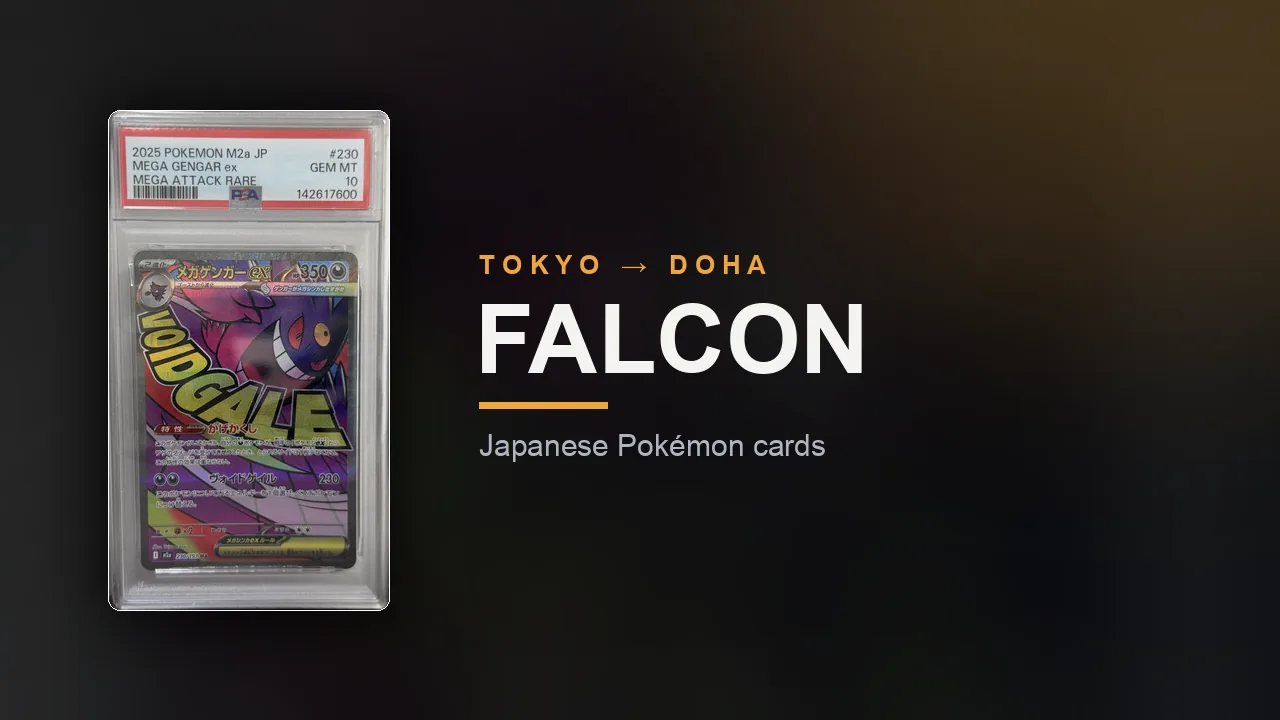
A graded card has been sent to a third party grading company, examined under controlled conditions, assigned a numeric grade, and sealed inside a tamper-evident plastic case often called a slab. The grade summarizes the card condition on a fixed scale, and the sealed case protects the card and locks in that assessment. Grading turns a subjective description into a standardized label that buyers around the world can compare, which is why graded cards dominate the higher end of the market.
The trade-offs at a glance
- Raw cards: lower cost, freedom to inspect and resleeve, but you judge and protect the card yourself.
- Graded cards: certainty and built-in protection, but you pay for the service and the premium a strong grade commands.
Each approach has trade-offs. Raw cards cost less and let you inspect or resleeve the card yourself, but you carry the risk of judging condition correctly and the responsibility of protecting the card. Graded cards remove much of that uncertainty and come pre-protected, but you pay for the grading service and the premium that a strong grade commands. Neither choice is right for everyone. The best choice depends on your budget, your goals, and how confident you feel judging condition on your own.
It helps to think of raw and graded as two doors into the same room. Many collectors begin with raw cards to learn what good condition looks like in hand, then move toward graded cards for their most important pieces where certainty and protection matter most. There is no rule that says you must pick one path forever, and a healthy collection often contains both.
Why descriptions and grading are not one-size-fits-all
One practical wrinkle worth knowing is that condition descriptions for raw cards are not perfectly standardized between sellers. Terms like near mint, lightly played, or excellent can mean slightly different things to different people, which is exactly why photographs matter so much for raw purchases. A clear, well-lit image of the corners, edges, and surface tells you far more than any adjective ever could. When you buy raw, treat the seller words as a starting point rather than a verdict, and let your own careful inspection of detailed photos be the real basis for your decision.
It is also fair to acknowledge that grading is not the right choice for every card. Grading a low value card can cost more than the card is worth, so many perfectly good cards are best kept and enjoyed raw. The decision to grade usually makes sense when a card is valuable enough, or of high enough condition, that the certainty and protection of a slab justify the cost and the wait. For a buyer, this means you should never feel that a raw card is somehow lesser by default. It simply has not been through a process that, for that particular card, may not be worth undertaking at all.
PSA grading explained in depth
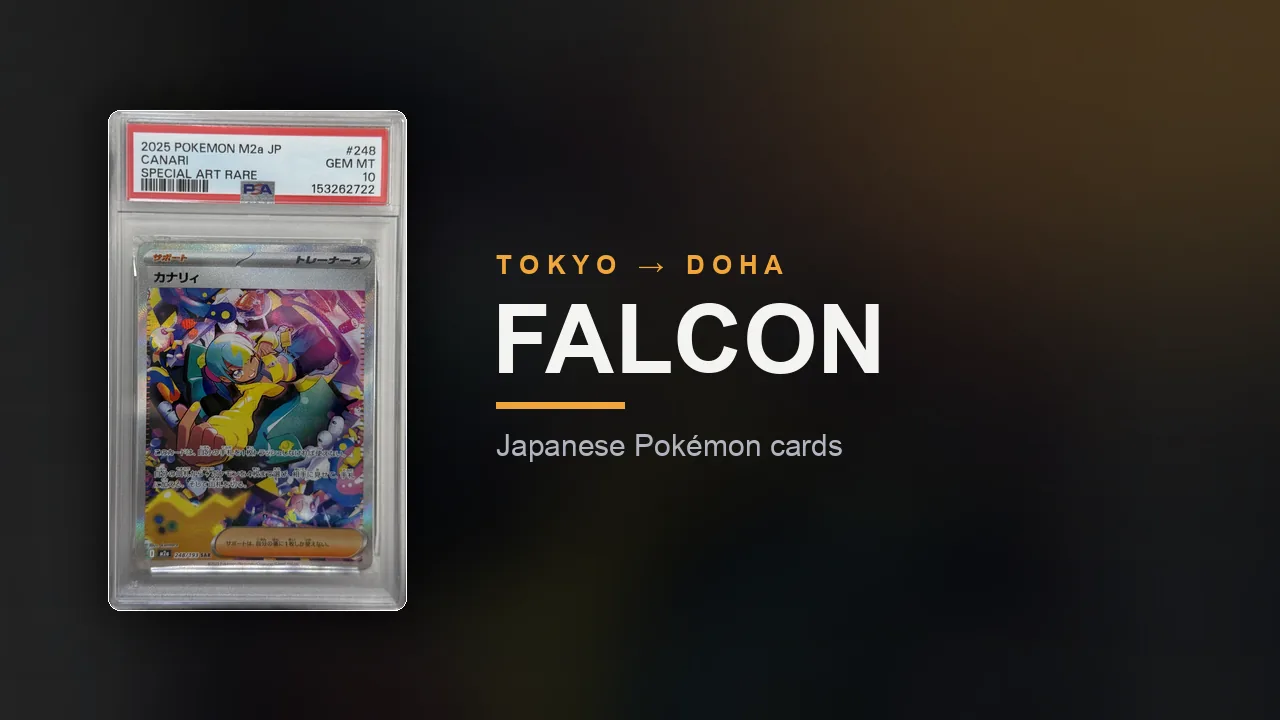
PSA, which stands for Professional Sports Authenticator, is the most widely recognized grading company in the trading card world, and its grades are a common language among collectors. When a card is submitted, PSA authenticates it and evaluates four main condition factors: centering, corners, edges, and surface. The card is then assigned a single overall grade on a scale from 1 to 10, sealed in a labeled case, and given a unique certification number that ties the physical slab to PSA records.
What the four factors mean
- Centering: how evenly the artwork sits within the borders.
- Corners: how sharp and undamaged each corner is.
- Edges: how clean and free of wear the edges are.
- Surface: how free of scratches, print lines, and marks the surface is.
The 1 to 10 scale runs from Poor at the low end to Gem Mint at the top. In broad terms, lower grades describe cards with visible wear, creasing, or damage, middle grades describe cards with light to moderate handling marks, and higher grades describe cards that look close to freshly pulled. A PSA 9, often called Mint, is an excellent card with only very minor imperfections. A PSA 10, labeled Gem Mint, is reserved for cards that appear essentially flawless to the standards PSA applies, with sharp corners, clean edges, a clean surface, and centering within tight tolerances.
Gem Mint 10 carries a special weight because it represents the top of the practical scale for a normal card, and demand for that top grade is intense. That is why the price gap between a PSA 9 and a PSA 10 of the same card can be dramatic, sometimes several times the value, even though the visible difference to an untrained eye may be subtle. When you buy a PSA 10, you are paying for that certified top-tier assessment, not merely for a nice looking card.
Population and why it matters
Population is another idea worth understanding. PSA publishes population reports that show roughly how many copies of a given card have received each grade. A card with a very low population at PSA 10 is scarcer in that condition, which can support a higher premium, while a card with a large PSA 10 population is more plentiful and may command less of a premium at the top grade. Population is not a guarantee of future value, but it helps explain why two cards with the same grade can sit at very different prices.
Reading the slab
Reading the slab itself is a skill. The PSA label shows the card name, set, year, card number, the grade, and the certification number. The slab should be a clean, sealed case with no signs of prying, cracking, or reglued seams. The printing on the label should be crisp and correctly aligned. Learning to read these details, and to cross-check the certification number, is one of the most practical protections a buyer can develop, and we return to it in the authentication section below.
It is also worth understanding why collectors bother to grade in the first place. Grading costs money and takes time, so people generally submit a card when the potential gain in value and confidence outweighs that cost, typically for valuable cards or ones they believe will earn a high grade. Some collectors even resubmit a card hoping for a better result, since grading involves human judgment and outcomes can vary at the margins. For a buyer, the lesson is simply that a graded card reflects one company assessment at one point in time, which is reliable and useful, but not a mystical absolute beyond all scrutiny.
Other grading companies, and how PSA compares
PSA is not the only grading company. Two other names appear often: BGS, which stands for Beckett Grading Services, and CGC, which grades trading cards among other collectibles. Each uses its own scale, label design, and case style, and each has its own reputation among collectors. BGS is known for subgrades that break a card down into separate scores for centering, corners, edges, and surface, and for its highly prized top designation often referred to as Black Label when all subgrades reach the maximum.
CGC grades cards on a similar overall concept and has built a following, particularly among collectors who value its case design and turnaround. All three companies aim to do the same core job: authenticate a card and describe its condition on a consistent scale so buyers can trade with confidence. The differences lie in scale details, presentation, and how the wider market prices each label.
How the main companies differ
- PSA: the most widely recognized, and usually the most liquid for Japanese Pokemon cards.
- BGS (Beckett): known for subgrades and its prized top Black Label designation.
- CGC: a similar overall concept with a following for its case design and turnaround.
For Japanese Pokemon cards specifically, PSA graded cards tend to be the most liquid, meaning they are the easiest to buy and sell at broadly understood prices, because PSA is so widely recognized across regions. That does not make BGS or CGC cards inferior. A high BGS grade can be extremely desirable, and some collectors prefer the look and detail of a particular label. It simply means that when comparing prices, you should compare like with like: a grade from one company is not automatically equal to the same number from another.
The practical takeaway is to treat the grading company as part of what you are buying. Know which company graded the card, understand what its scale means, and price accordingly. If you are new, PSA graded cards are often the simplest starting point because their grades are so broadly understood, but there is nothing wrong with owning cards from other reputable graders once you know how to read them.
One more concept to know is crossovers and regrades. Collectors sometimes send a card graded by one company to another, or resubmit it within the same company, seeking a different grade or a preferred label. This is a normal part of the hobby, but for a buyer it reinforces a simple point: judge the card and the current slab in front of you, verify its certification, and do not assume that any grade is beyond question. The label tells you a great deal, but your own verification of the specific slab you are buying remains the final safeguard.
Authentication: how to know a card is genuine
Authentication is the process of confirming that a card, and its grade if it has one, is real. For a graded card, the strongest tool is the certification number printed on the slab. Grading companies maintain online lookup systems where you can enter that number and see the card details and often a photo on record. If the details and image match the card in front of you, that is strong evidence the slab is genuine. If the number does not exist, or the details do not match, treat that as a serious warning.
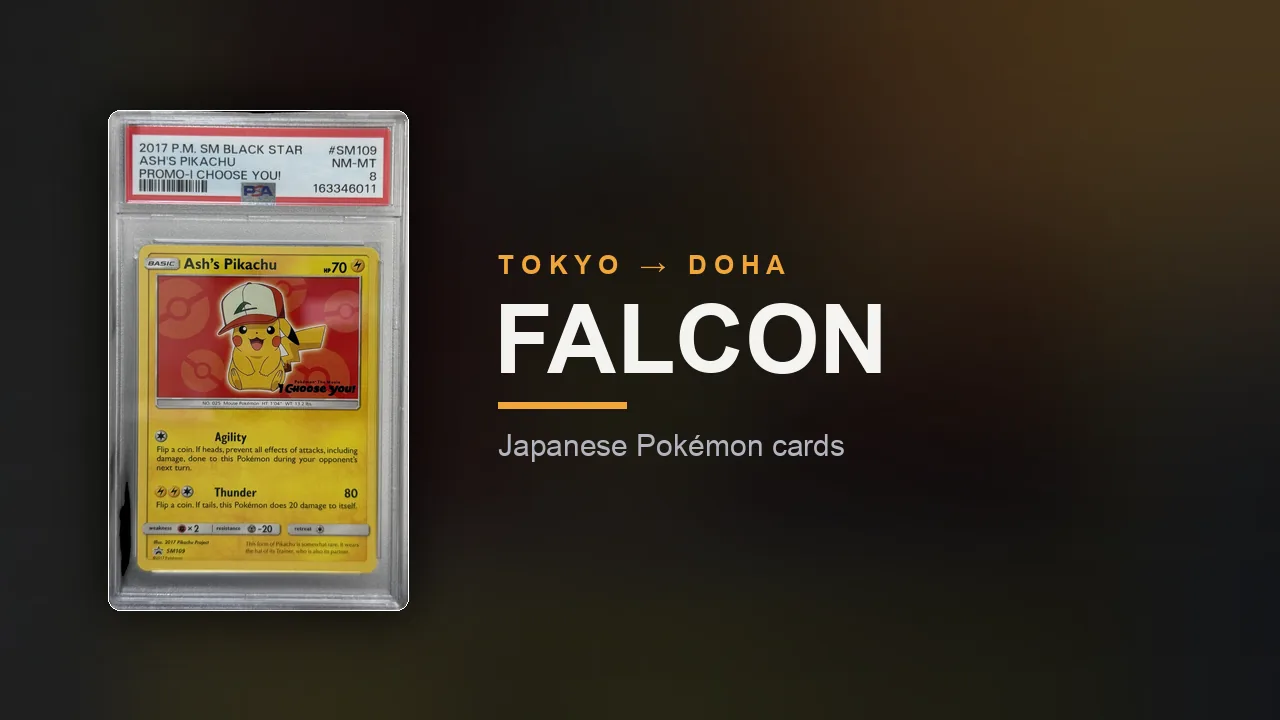
The idea behind a certification lookup is simple: the physical slab should agree with the company database. When they agree on the card name, set, grade, and appearance, you can be far more confident. When a seller cannot or will not provide a clear photo of the label and its certification number, you have every reason to be cautious. A genuine graded card has nothing to hide, and asking for the number is a completely normal request.
The main counterfeit tactics
- Fake slab: a counterfeit case imitating a real one, sometimes holding an overgraded or fake card.
- Swap: a real slab opened, the genuine card replaced with a lesser one, then resealed.
- Reseal: an opened sealed product wrapped again to look untouched.
Counterfeiters attack in several ways, and it helps to know the main patterns. A fake slab is a counterfeit case made to imitate a real one, sometimes containing a genuine but overgraded card or even a fake card. A swap is when a real slab is opened and the genuine card is replaced with a lesser one before being resealed, which is why signs of tampering on the case matter. A reseal, in the context of sealed products, is an opened item wrapped again to look untouched. Each of these tricks relies on the buyer not looking closely.
Warning signs on raw cards
Warning signs for raw cards include colors that look slightly off, blurry or fuzzy printing under magnification, incorrect card backs, unusual light or dark tones, and a texture or weight that feels wrong in hand. Genuine cards have consistent print quality and a specific feel that becomes familiar with experience. For high value raw cards, buying from a seller who inspects and photographs the real item, rather than one who uses stock or borrowed images, is a major safeguard.
The single best habit is to insist on evidence. Real photos of the actual card, clear images of any slab and its certification number, and a seller willing to answer questions directly are worth more than any promise. Authentication is not about paranoia. It is about making sure the object you receive is the object you agreed to buy.
It also helps to develop a feel for what genuine cards look like up close. Authentic Japanese cards have consistent, correctly registered printing, appropriate gloss and texture, and holographic patterns that behave in a predictable way under light. Counterfeits often reveal themselves through slightly wrong color balance, dot patterns that look coarse under magnification, or holo effects that seem flat or exaggerated. You do not need to be an expert to benefit from this. Simply comparing a questionable card against known genuine examples, and asking the seller for magnified photos, catches a large share of fakes before any money changes hands.
Sealed products: booster boxes, packs, and sets
Sealed products are items that remain in their original factory packaging, most commonly booster boxes, but also booster packs and special set boxes. The appeal is twofold. There is the experience of owning and possibly opening a factory-fresh product with the pull rates the manufacturer intended, and there is the collectible value of an unopened item whose contents have never been touched. For many collectors, a sealed box is an object in its own right, prized precisely because it has never been opened.
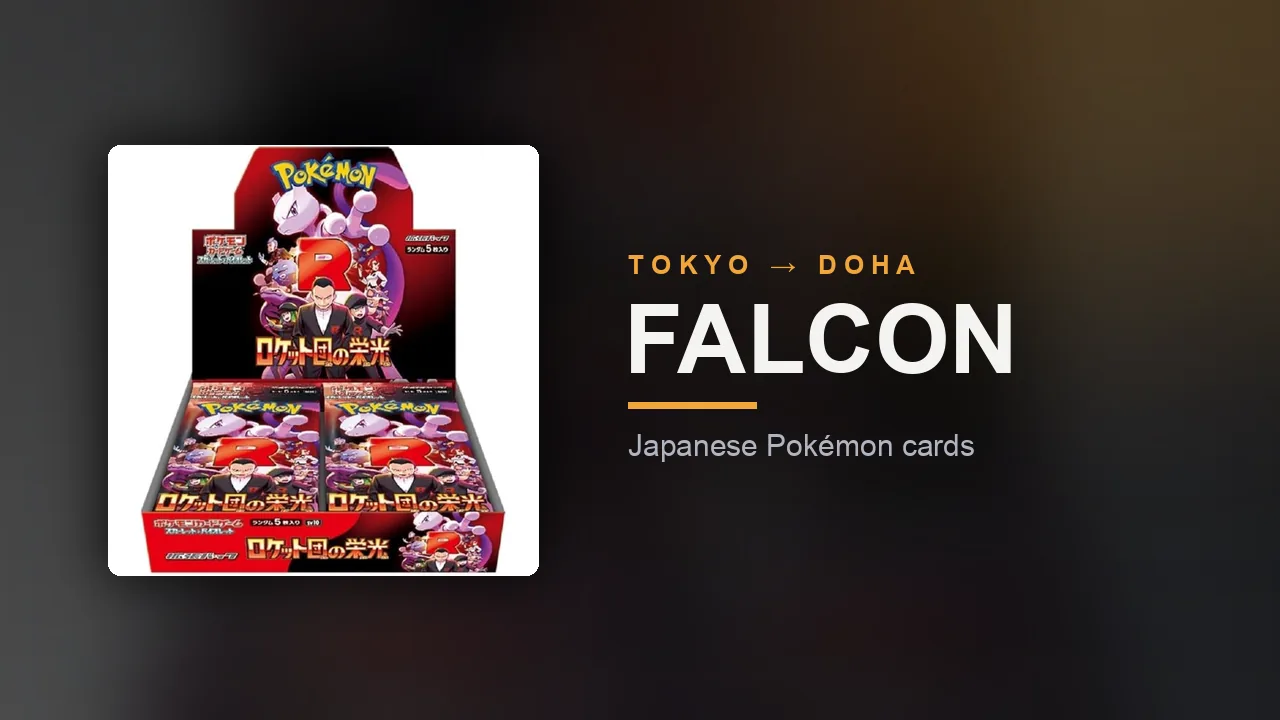
Factory sealed means the item left the manufacturer wrapped in its original film and has never been opened since. That original wrap is the primary evidence that the contents are untouched, because once it is removed there is no fully reliable way to prove the packs inside were never searched or swapped. This is why collectors treat the original shrink as a real quality standard, and why resealed products, opened items rewrapped to look new, are a known risk to watch for.
Some buyers approach sealed products with a long term view, holding boxes as the sets age and become harder to find in unopened condition. It is fair to note the appeal, but it is equally important to be clear that the value of any collectible can rise or fall, and nothing here is investment advice. Buy sealed products first because you enjoy owning them, and treat any long term outcome as uncertain rather than promised.
Why storage matters more here
Storage matters more for sealed products than many people expect, because the packaging is part of the value. Heat can warp boxes and loosen shrink, humidity can damage cardboard, and sunlight can fade printing. A sealed box kept in a cool, dry, stable place holds its presentation far better than one left exposed. In the Gulf climate this is a real consideration, and we cover storage in detail in a dedicated section below.
The formats you will encounter
- Booster pack: the smallest sealed unit, with the most variance in value.
- Booster box: many packs, offering the fuller intended experience and steadier value.
- Sealed case: multiple boxes, the bulkiest format, favored for quantity.
It is worth distinguishing the formats you will encounter. A single booster pack is the smallest sealed unit and carries the most variance, since its value depends entirely on what might be inside. A booster box contains many packs and offers the fuller intended experience along with steadier value. A sealed case contains multiple boxes and is the bulkiest format, favored by those seeking quantity. You may also hear talk of weighing or feeling packs to guess at contents. Reputable sellers do not tamper with sealed product this way, and any pack or box showing signs of handling meant to detect heavier cards should be treated with suspicion.
How prices work: market reference, JPY to QAR, and a fair premium
A card price is not a fixed number handed down from anywhere. It is an estimate built from recent sales of comparable cards, adjusted for condition, grade, and current demand. Sellers look at what similar cards in similar condition have actually sold for, not merely what they were listed for, to arrive at a market reference. Because sales data moves constantly, any price is best understood as a reasonable reflection of a moment rather than a permanent value.
When a card is sourced in Japan and sold in Qatar, currency is part of the story. The card has a value expressed in Japanese yen, and that value must be converted into Qatari riyal at the exchange rate in effect. Because the yen to riyal rate moves over time, the same card can translate into a slightly different riyal figure from one week to the next, even if its underlying value in yen has not changed. A transparent seller shows the price in QAR so you know exactly what you will pay in your own currency.
What a fair premium covers
- Sourcing and inspection in Japan.
- Careful packaging.
- Insured and tracked international shipping.
- Payment processing and the service around the sale.
On top of the card value and currency conversion sits a premium that covers the real costs of getting an authentic card to you: sourcing and inspection in Japan, careful packaging, insured and tracked international shipping, payment processing, and the service around the sale. A fair premium is one that reflects genuine work and risk rather than an arbitrary markup. Rather than quote a fixed percentage, which would be misleading because costs vary by item and shipping method, it is more honest to say that you should expect a reasonable, explainable difference over a raw Japanese market price, and be wary of prices that seem far above or suspiciously far below the wider market.
The practical test of fair pricing is transparency. Can the seller show the card in QAR, explain what is included, and point to why the price sits where it does? A price you can understand is far more trustworthy than a cheap price you cannot. When a deal looks dramatically better than everyone else, that gap is usually explained by a hidden cost, a condition problem, or an authenticity risk rather than generosity.
The grade price ladder
Grades also create a price ladder that is useful to visualize. The same card climbs in value as its grade rises, and the steps between grades are rarely even. The jump from a middle grade to a high grade can be modest, while the final step to the very top grade is often the steepest of all, because top-grade demand is so concentrated. Understanding this ladder helps you decide where your money is best spent. Sometimes a strong but not perfect grade offers most of the visual quality at a far more comfortable price, which is a perfectly sensible choice for a collector focused on enjoyment rather than the absolute top of the market.
Buying locally in Qatar versus importing from Japan
There are broadly two ways to get Japanese Pokemon cards in Qatar: buy from stock already in the country, or have a card sourced from Japan and imported for you. Each path has honest trade-offs, and the right choice depends on what you value most: speed, selection, price, or certainty. Understanding both helps you decide rather than defaulting to whichever option you happen to encounter first.
Local stock versus importing
- Buying locally: faster and no cross-border wait, but limited to what a seller happens to hold.
- Importing from Japan: a far larger selection and inspection at origin, but shipping time and customs on arrival.
Buying locally can be faster, because the card is already here, and it lets you avoid the wait and the cross-border logistics. The trade-offs are that local stock is limited to what a seller happens to hold, selection for specific cards or grades can be narrow, and prices already include whatever it cost to bring the card into the country. Local buying suits collectors who want something now and are flexible about exactly which card they get.
Importing from Japan opens up a far larger selection, including specific cards, sets, and grades that no local shelf could hold at once, and it lets you buy a card sourced and inspected at its origin. The trade-offs are the shipping time, the need for reliable tracking and insurance, and the customs process on arrival. Importing suits collectors who have a specific target in mind, who value origin and inspection, and who are willing to wait a little for the right card rather than settle for whatever is nearby.
For many buyers the best answer is a blend. Use local options for immediate, casual purchases, and use a trusted sourcing service for specific, higher value, or hard to find cards where origin, condition, and authentication justify the wait. The key is that importing should never feel like a leap into the unknown. With a seller who documents the item, shows the price in QAR, and ships with tracking and insurance, importing becomes a managed process rather than a gamble.
There is also real value in building a relationship with a seller you trust rather than treating every purchase as a one-off transaction. A seller who knows the specific cards, sets, and grades you are chasing can watch for them, source them when they appear, and give you honest guidance about fair pricing. Over time this turns importing from a series of anxious gambles into a reliable channel, and it is often how serious collectors quietly assemble the pieces they want without overpaying or taking unnecessary risks along the way.
Shipping to Qatar: insured, tracked, and realistic timelines
Shipping is where a good buying experience is either protected or put at risk, so it deserves real attention. The two features that matter most are tracking and insurance. Tracking lets you follow the parcel from Japan to your door and confirm each step, which reduces anxiety and provides a record. Insurance means that if a parcel is lost or damaged in transit, the value is protected rather than simply gone. For anything beyond a token purchase, both should be treated as essential rather than optional.
Timelines from Japan to Qatar depend on the carrier, the service level, and customs processing, so they are best described as ranges rather than guarantees. A typical insured and tracked shipment often arrives within roughly one to two weeks, but this can vary with holidays, carrier volume, and inspection at the border. A trustworthy seller gives you an honest estimate and a tracking number rather than a firm promise nobody can truly control, because international logistics always carry some variability.
Packaging protects the card during the journey, and it should be taken seriously. A card, raw or graded, should be sleeved and braced so it cannot slide or bend, placed in a rigid protector, and cushioned inside an outer box that can absorb pressure. Sealed products need padding on all sides so the packaging does not get crushed. Good packing is not just about the card surviving a drop; it is about it arriving in the exact condition you paid for.
It is reasonable to expect a seller to describe how they pack and ship, and to provide tracking once a parcel is on its way. If a seller is vague about shipping, avoids insurance, or cannot give you a tracking number, that is a meaningful warning sign. The care taken in shipping usually reflects the care taken everywhere else in the transaction.
Checklist when your parcel arrives
- Open it in a clean, well-lit space.
- Photograph the packaging before you unwrap it.
- Inspect the card or slab against the images you were shown before purchase.
- Confirm a graded slab is intact and its certification details match.
- Keep this simple record in case of a dispute.
When your parcel finally arrives, a few minutes of care completes the process well. Open it in a clean, well-lit space, photograph the packaging before you unwrap it, and inspect the card or slab against the images you were shown before purchase. Confirm that a graded slab is intact and that its certification details match, and check a raw card against the condition you agreed to. Keeping this simple record protects you in the rare event of a dispute, and it turns the moment of unboxing into a final, reassuring confirmation that you received exactly what you paid for.
Customs, duties, and importing into Qatar
When a card is shipped from Japan to Qatar, it may pass through customs on arrival, and it is important to understand this in general terms without pretending to give precise figures. Import duties and any applicable charges are set by the authorities and can depend on the declared value, the category of goods, and current rules. Because these details can change and vary by situation, this guide does not state specific rates or amounts. For anything that matters to your decision, confirm the current position with Qatar customs or an official source rather than relying on a rule of thumb.
Many international shipments operate on a basis where the recipient is responsible for any import charges due on arrival, an arrangement often described with the shorthand DAP, meaning delivered at place. In plain terms, this means the price you pay the seller may cover the card and its shipping, while any customs charges assessed at the border are settled by you as the recipient. The exact treatment depends on how the shipment is arranged and declared, so it is always worth asking the seller how charges are handled before you buy.
The honest position is that customs outcomes are not something any seller can promise precisely, because they are decided by the authorities, not the seller. A responsible seller will be transparent about how they declare shipments and how charges are typically handled, and will encourage you to check official guidance for your specific case. Anyone who tells you with certainty that there will be no charges, or who quotes an exact figure as a guarantee, is overstating what they can actually control.
None of this should discourage you. Importing collectibles is routine, and the customs step is simply part of the process rather than a reason to avoid it. The practical advice is to buy from a seller who is open about declarations and charges, to keep your own expectations realistic, and to confirm current rules through official Qatar customs information whenever the amounts involved matter to you.
Keep your own records
A small but useful habit is to keep your own records. Save the listing, the photographs you were shown, the price you paid in QAR, and any shipping and customs documentation that comes with the parcel. These records help if you ever resell the card, since a clear provenance and history add confidence for the next buyer, and they are useful if any question about charges or value arises later. Good record-keeping is quiet work that rarely feels urgent in the moment, but it consistently pays off across a growing collection over the years.
How FALCON works
FALCON is an independent reseller based on a simple idea: make it straightforward for collectors in Qatar to buy authentic Japanese Pokemon cards without the usual uncertainty. Cards are sourced in Tokyo, close to the origin of the market, which allows direct access to a wide range of singles and sealed products rather than whatever happens to be locally available. Buying at the source is the foundation for everything else in the process.

Every card is inspected before it ships. Raw cards are examined and photographed as the actual item you will receive, not a stock image, so what you see is what arrives. Graded cards have their certification numbers checked against the grading company records, so the slab in the listing matches a real, verifiable grade. This inspection and documentation step is where authenticity stops being a promise and becomes something you can see for yourself.
Prices are shown in QAR with international shipping included, so there is no guesswork about currency conversion at the point of purchase. Orders are packed carefully, typically documented during packing, and shipped from Tokyo with tracking and insurance, with realistic delivery estimates rather than firm guarantees. Throughout, a WhatsApp concierge is available in English to answer questions, help you find a specific card, or arrange a sourcing request for something not currently listed.
Two limits we state plainly
- FALCON is an independent reseller and is not affiliated with, endorsed by, or connected to Pokemon or Nintendo in any way.
- No seller can control the market or customs authorities, so prices move and import charges remain the responsibility of the recipient.
Two limits are worth stating plainly, because honesty is part of the service. FALCON is an independent business and is not affiliated with, endorsed by, or connected to Pokemon or Nintendo in any way; it simply resells genuine cards those companies produced. And while great care goes into sourcing, inspection, packaging, and shipping, no seller can control the market or the customs authorities, so prices move and import charges remain the responsibility of the recipient. What FALCON can offer is a clear, documented, authentic buying experience, which is exactly what this guide argues you should look for anywhere you shop.
How a sourcing request works
The sourcing request flow is designed to be simple. If you want a card that is not currently listed, you can message the WhatsApp concierge with the specific card, set, and grade you have in mind, and the team looks for a matching example in Japan. Once a candidate is found, you receive photos of the actual item, a certification number for anything graded, and a clear price in QAR before you decide anything. Nothing is committed until you approve the specific card in front of you, so a sourcing request is simply a way to search on your behalf, not an obligation to buy.
Avoiding scams and red flags
The Pokemon market attracts scams precisely because cards are valuable, portable, and easy to misrepresent. The good news is that most scams share the same handful of warning signs, and learning to spot them protects you across every platform. The most important habit is to slow down. Almost every scam depends on the buyer acting quickly, so a calm, questioning approach defeats the majority of them before any money changes hands.
The red flags that repeat
- Only watermarked, stock, or borrowed images instead of the actual card.
- Prices far above or suspiciously far below the wider market.
- Pressure, urgency, and claims a deal will vanish in minutes.
- Unusual payment methods that offer no buyer protection.
- Refusal to answer questions or provide tracking or a certification number.
Be wary of listings that use only watermarked, stock, or borrowed images rather than clear photos of the actual card. On many marketplaces, sellers post generic or watermarked pictures that could belong to any copy, or even to a card they do not physically have. A genuine seller of a specific card can show you that specific card, including close-ups of corners, edges, surface, and any slab and its certification number. If the real item cannot be shown, that alone is a reason to walk away.
Prices that diverge sharply from the wider market are another red flag in both directions. A price far above the market may simply be an overcharge, while a price far below the market is often too good to be true and usually hides a counterfeit, a condition problem, or an outright scam. Compare against recent sales of similar cards in similar condition, and be suspicious of any deal that seems to defy the market without a clear, honest explanation.
Pressure and urgency are classic manipulation tools. Claims that a deal will vanish in minutes, demands for unusual payment methods that offer you no protection, refusals to answer direct questions, and reluctance to provide tracking or a certification number all point in the same direction. A trustworthy seller welcomes your questions, gives you time, uses payment methods that protect the buyer, and provides documentation without being pushed. When in doubt, the safest move is to step back and buy from a source whose process you can actually verify.
Different platforms carry different risks, so match your caution to where you are shopping. On open marketplaces where anyone can list, scrutiny should be highest: verify images, cross-check prices, and prefer payment methods that offer buyer protection over irreversible transfers. Wherever possible, favor sellers with a documented process and a real presence you can question directly. The safest transactions are not the ones with the lowest price, but the ones where you can see the actual card, confirm its authenticity, and reach a real human being who stands behind the sale if anything goes wrong.
Care and storage in the Gulf climate
Cards are made of paper and ink, which means they respond to their environment, and the Gulf climate poses specific challenges that every collector in Qatar should plan for. Heat and humidity are the two biggest threats. High humidity can cause cards to absorb moisture, leading to warping, and it can encourage the conditions that damage paper over time. High heat can warp cards and sealed packaging and can accelerate the fading of inks. Managing these factors is not difficult, but it does require deliberate care.
A stable indoor environment does most of the work
The most effective protection is a stable indoor environment. Keeping cards in a cool, air-conditioned, low-humidity space away from windows and exterior walls does most of the work. Sudden swings between hot and cold, such as moving cards in and out of a hot car or a garage, are especially hard on them, so consistency matters as much as the absolute temperature. A steady, moderate environment is far kinder to a collection than an occasionally perfect but frequently fluctuating one.
Layers of physical protection
- Penny sleeve: protects the surface from scratches and fingerprints.
- Rigid top loader or card saver: shields against bending.
- Double sleeve plus top loader, or a magnetic holder, for valuable raw cards.
- Graded slabs already protect the card, but keep them out of sunlight and heat.
Physical protection layers up in a logical order. A penny sleeve protects the surface from scratches and fingerprints. A rigid top loader or a card saver shields against bending. For valuable raw cards, a card can be double sleeved and then placed in a top loader, and a magnetic holder offers a sturdier, clearer display case for a favorite piece. Graded cards already sit in protective slabs, but those slabs still benefit from being kept out of direct sunlight and away from heat. Sleeves and holders are inexpensive insurance against expensive damage.
Direct sunlight deserves its own warning, because it is a common and avoidable mistake. Ultraviolet light fades colors and can permanently dull a card or a sealed box, and a card displayed in a sunny spot can degrade surprisingly quickly. Keep displays out of direct sun, consider UV-aware display options for pieces you want to show off, and store the rest in a dark, cool, dry place. In a region with intense sunlight, this single habit protects a great deal of value over time.
For longer-term storage, a few extra habits help. Handle cards with clean, dry hands, or hold them by the edges to avoid transferring oils to the surface. Store sleeved cards upright in dedicated boxes, or in binders with acid-free, card-safe pages, rather than loose in drawers where they can shift and rub against each other. Some collectors add small silica gel packets to storage boxes to help manage humidity, replacing them periodically as they saturate. None of this is complicated, but together these small routines keep a collection in the condition you paid for, which is especially valuable in a warm, humid climate like Qatar.
Collecting versus investing: building a sensible strategy
People come to Pokemon cards for different reasons, and it helps to be honest with yourself about which reason is driving you. Some collect for love of the characters, the artwork, and the nostalgia, buying what brings them joy. Others are drawn by the idea of cards as an asset that might appreciate. Both motivations are valid, but they lead to different decisions, and confusing them is a common way to end up unhappy with your purchases.
If you collect for enjoyment
If you collect primarily for enjoyment, the strategy is refreshingly simple: buy cards you genuinely love, in the best condition your budget allows, from sources you trust. You are not trying to predict the market, so you are free to follow your taste. The main disciplines are to protect your cards well, to avoid overpaying by checking the market, and to resist buying purely because something is popular this month if it does not actually appeal to you.
If you are drawn by value growth
If part of your interest is the possibility of value growth, treat it with the caution that any uncertain outcome deserves. A common approach among long term collectors is to favor iconic characters and sought-after cards in strong grades, to avoid putting everything into a single card, and to think in years rather than weeks. Some collectors pursue a grail card, a single dream piece they save toward over time, while spreading smaller purchases across a broader base. None of this guarantees returns, and it is essential to remember that prices can fall as well as rise.
The healthiest strategy, for most people, blends the two honestly. Buy cards you would be happy to own even if their value never rose, so that enjoyment is guaranteed regardless of the market, and let any appreciation be a welcome bonus rather than the entire point. This mindset protects you from the worst outcome in a volatile market, which is holding something you neither enjoy nor profit from. Collect first, and let investing be the smaller, more careful part of the plan.
It also helps to set a budget and keep simple records of what you buy and what you pay. Deciding in advance how much you are comfortable spending prevents the impulse purchases that a fast-moving market constantly encourages, and tracking your buys gives you an honest picture of your collection over time. This is not about turning a hobby into accounting. It is about buying deliberately rather than reactively. Collectors who spend within a plan tend to enjoy the hobby longer, and regret far fewer purchases, than those who chase every trend the moment it appears.
Three real-world scenarios
Abstract advice becomes clearer when you see it applied, so consider three collectors with very different goals. Each faces a different version of the same core questions about authenticity, price, and protection, and each arrives at a sensible answer by following the principles in this guide rather than by chasing luck. Their stories are illustrative rather than promises, but the habits they share are exactly the ones that separate a confident purchase from an anxious one.
Scenario one: a graded Charizard for display
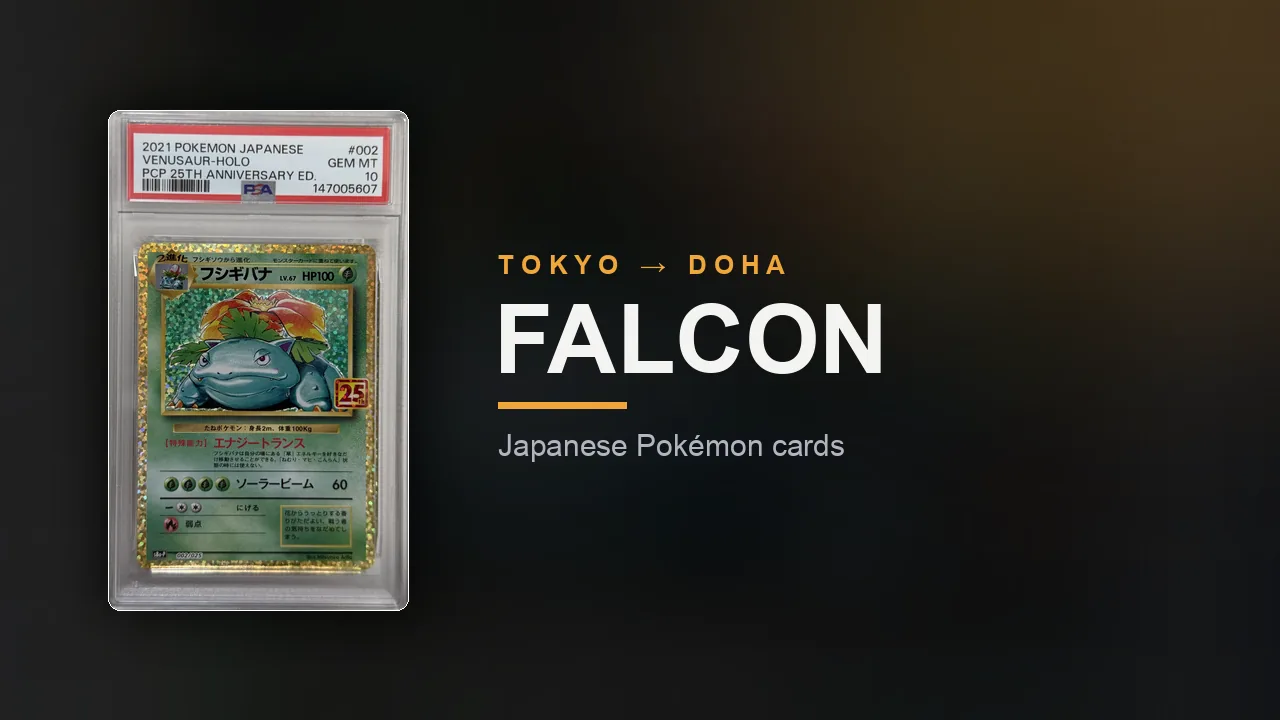
Consider first a collector in Doha who wants a graded Charizard, one of the most iconic cards in the hobby. She has admired it for years and finally decides to buy a strong graded copy for her display. Her sensible process looks like this: she decides on the specific card, set, and grade she wants, she checks recent sales of comparable graded copies to understand a fair price, and she insists on clear photos of the actual slab and its certification number. Before paying, she confirms the certification number against the grading company records so the slab matches a real grade. She buys in QAR with insured, tracked shipping, accepts a realistic delivery window rather than a firm promise, and stores the slab away from sunlight and heat. Her purchase is not a gamble because every step is documented and verifiable, and she ends up with a centerpiece she can trust and enjoy for years.
Scenario two: a sealed box for the long term
Consider next an investor-minded buyer who wants a sealed booster box to hold for the long term. He understands that sealed value depends on the packaging staying untouched, so his priorities are authenticity of the factory seal and careful storage. He buys from a source that inspects and photographs the actual box and its original shrink, rather than a generic stock image, and asks how the box was stored. He accepts, clearly, that the value of a sealed product can rise or fall and that nothing is guaranteed, so he buys a box he would be content to own regardless. On arrival he keeps it in a cool, dry, stable place, out of direct sun and away from heat that could warp it, and he resists the temptation to open it. His approach is disciplined precisely because he treats the outcome as uncertain and focuses on the things he can actually control: authenticity and storage.
Scenario three: starting with raw singles
Consider finally a newcomer who wants to start with raw singles without spending much. He is curious but cautious, and he wisely begins with affordable raw cards to learn what good condition looks like in hand before committing to anything expensive. He buys from a seller who photographs the real card so he can inspect corners, edges, and surface from the images, and he practices sleeving and storing his cards properly from day one. As he grows more confident judging condition, he starts to consider whether a favorite card might be worth grading, and he gradually moves toward graded pieces for the cards that matter most to him. His path is the classic and sensible one: start small and raw, learn by handling, protect everything, and let your knowledge, not your impatience, decide when to spend more.
A note on prices, taxes, and your own judgment
Everything in this guide is intended to help you buy well, but it cannot replace your own judgment or current official information. Card prices are set by a market that moves constantly in response to demand, condition, grading, and sentiment, so any figure you see today is a snapshot rather than a promise, and values can fall as easily as they rise. Nothing here is investment advice, and no outcome, financial or otherwise, is guaranteed.
Customs duties, import charges, and taxes are decided by the authorities, not by any seller, and they can change over time and vary by situation. This guide deliberately avoids quoting specific rates or amounts, because doing so would risk being wrong or out of date. Whenever the amounts involved matter to your decision, confirm the current position with Qatar customs or another official source before you buy.
Delivery timelines are estimates shaped by carriers, service levels, and border processing, so treat them as ranges rather than guarantees. The strongest protections available to you are the ones this guide keeps returning to: buy authentic cards from a source that documents the actual item, insist on real photos and certification numbers, use insured and tracked shipping, understand the price in your own currency, and store your cards with care. The final decision, and the responsibility for it, always rests with you as the buyer.
Frequently asked questions
Is authenticity guaranteed?
A responsible seller does everything reasonable to ensure authenticity: sourcing genuine cards, inspecting and photographing the actual item, and checking certification numbers on graded cards against the grading company records. That gives you strong, verifiable evidence rather than a bare promise. The most reliable safeguard on your side is to insist on clear photos of the real card and, for graded cards, to confirm the certification number yourself. Treat any seller who cannot show the actual item or its certification details with caution, because a genuine card has nothing to hide.
How long does shipping to Qatar take?
Delivery time from Japan to Qatar depends on the carrier, the service level, and customs processing, so it is best described as a range rather than a fixed promise. A typical insured and tracked shipment often arrives within roughly one to two weeks, but this can vary with holidays, carrier volume, and inspection at the border. A trustworthy seller provides an honest estimate and a tracking number so you can follow the parcel, rather than guaranteeing an exact date that no one can truly control in international logistics.
Who pays customs duties and import charges?
Many international shipments operate on a basis where the recipient is responsible for any import charges due on arrival, often described with the shorthand DAP, meaning delivered at place. In practice the price you pay the seller may cover the card and shipping, while any customs charges assessed at the border are settled by you as the recipient. The exact treatment depends on how the shipment is declared, and rates are set by the authorities and can change. This guide does not quote specific figures; confirm the current position with Qatar customs or an official source.
What exactly is a PSA 10?
A PSA 10, labeled Gem Mint, is the top practical grade PSA assigns on its 1 to 10 scale. It is reserved for cards that appear essentially flawless to PSA standards, with sharp corners, clean edges, a clean surface, and centering within tight tolerances. Because it represents the top of the scale and demand for it is intense, a PSA 10 usually commands a significant premium over a PSA 9 of the same card, sometimes several times the value, even when the visible difference is subtle. When you buy a PSA 10, you are paying for that certified top-tier assessment.
Can I return a card?
Return conditions vary by seller, so you should always confirm the specific policy before you buy, especially for higher value or made-to-order items. In general, the strongest protection is to buy from a seller who documents the actual card with clear photos and verifiable certification details, so there are no surprises on arrival and the item matches exactly what was shown. If you are unsure about the return terms, ask directly and get the answer clearly before paying, rather than assuming. Treat the final return wording as something to confirm with the seller for your specific order.
How is the price in QAR decided?
A price in QAR is built from several parts: the card value drawn from recent sales of comparable cards, the conversion from Japanese yen to Qatari riyal at the current exchange rate, and a premium covering sourcing, inspection, insured and tracked shipping, and service. Because both the market and the exchange rate move, the same card can translate into a slightly different QAR figure over time. A transparent seller shows the final price in QAR and can explain what is included, which matters more than a low headline number you cannot understand.
Should I buy raw or graded cards?
It depends on your budget, goals, and confidence judging condition. Raw cards cost less, let you inspect and resleeve the card yourself, and suit collectors comfortable assessing condition, but you carry the risk of that judgment. Graded cards remove much of the uncertainty, arrive pre-protected in a sealed case, and are easier to compare and resell, but you pay for the grading and the premium a strong grade commands. Many collectors begin with raw cards to learn, then move to graded pieces for their most important cards. A healthy collection often contains both, and neither choice is wrong.
Can you source a specific card I want?
Yes, sourcing a specific card is a normal request. If a card is not currently listed, a good service can look for the exact card, set, and grade you want and prepare a quote once it is found. The practical process is to tell the seller precisely what you are after, including the grade if you want a graded copy, agree on a fair price in QAR based on the market, and confirm the actual item with photos and, for graded cards, its certification number before you commit. You can start a sourcing request through the WhatsApp concierge for anything you do not see listed.
Is it safe to buy a high value card online?
It can be, provided you buy from a source whose process you can verify. The safeguards are consistent regardless of price: insist on clear photos of the actual card, confirm the certification number for graded cards against the grading company records, buy with insured and tracked shipping, understand the full price in QAR, and use payment methods that protect the buyer. Be wary of pressure, urgency, watermarked or stock images, and prices that seem far above or suspiciously below the market. High value purchases reward patience and verification, so take your time and confirm every detail before paying.
How is the card protected during shipping?
Good shipping protection starts with the packing. A card, raw or graded, should be sleeved and braced so it cannot slide or bend, placed in a rigid protector, and cushioned inside an outer box that absorbs pressure, while sealed products need padding on all sides. Beyond packing, insurance and tracking are essential: tracking lets you follow the parcel from Japan to your door, and insurance protects the value if a parcel is lost or damaged in transit. It is reasonable to expect a seller to describe how they pack and to provide a tracking number once your parcel is on its way.