Japanese Pokemon Card Rarity Symbols Explained
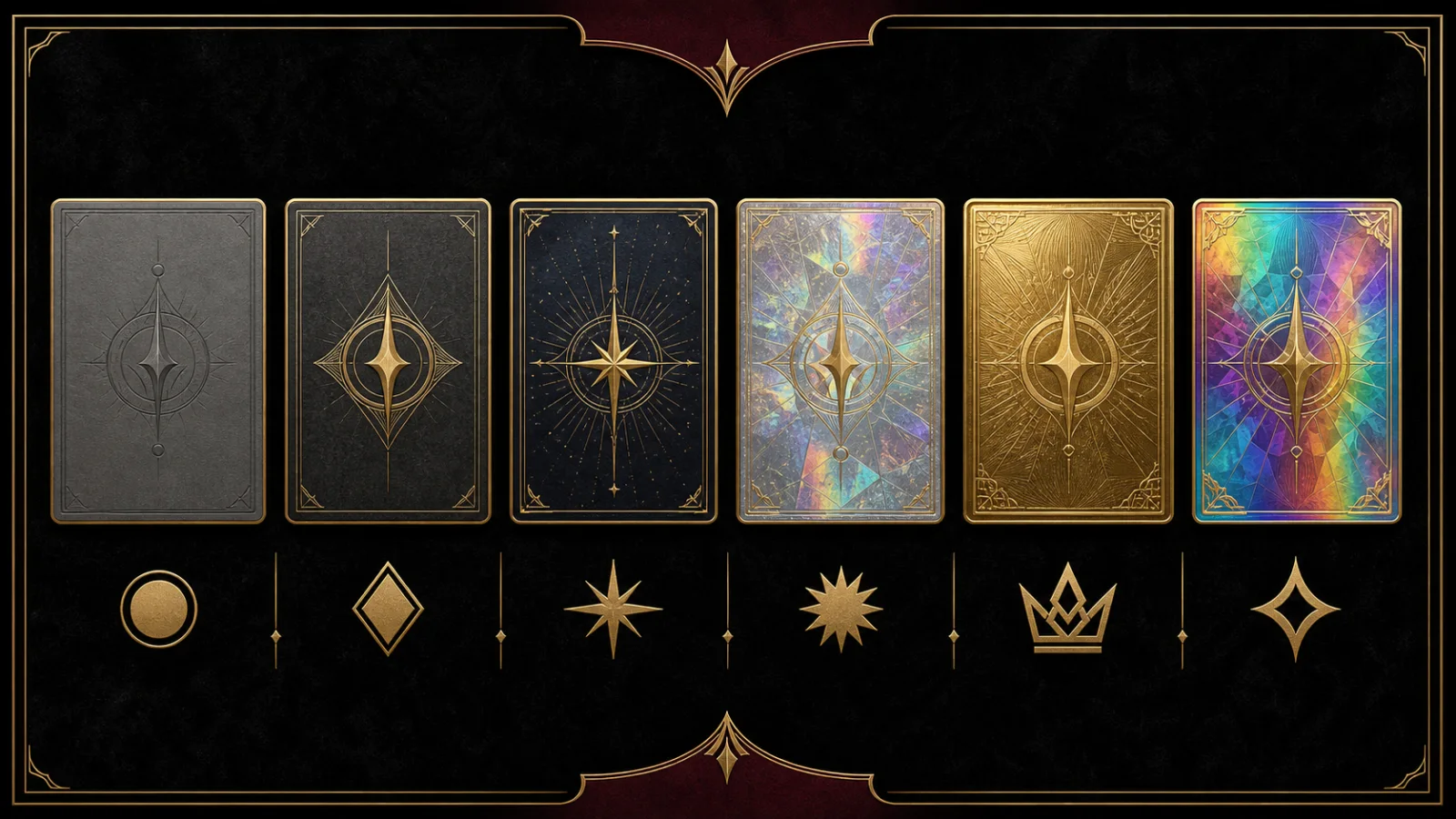
A rarity symbol identifies a category within a product, but it does not by itself tell you what a card is worth.
Read the printed identity first
Find the set code, collector number and rarity marking near the lower edge of the card.
Compare them with an official or trusted set checklist for that exact Japanese release.
Rarity systems change
Labels such as C, U, R, RR, AR, SR, SAR and UR appear in modern sets, but not every set uses every label in the same way.
Older releases, promotional cards and special products can use different conventions.
Rarity is not condition
A rare card can have whitening, scratches, dents or poor centering. Condition must be assessed separately.
A graded population or market price is also separate from the printed rarity.
Avoid pull-rate promises
Unofficial opening data may be interesting but should not be presented as a guaranteed rate.
Buy a single when you need certainty; open sealed products for entertainment with an agreed budget.
Frequently asked questions
Does SAR always cost more than AR?
No. Demand, character, artwork, condition and supply also matter.
What does a number above the set total mean?
It commonly indicates a card outside the main numbered set, but confirm the exact release checklist.
Can rarity prove authenticity?
No. It is one detail among printing, texture, numbering, provenance and seller evidence.