Pokemon Card Prices in Qatar: A Clear, Honest 2026 Buyer Guide
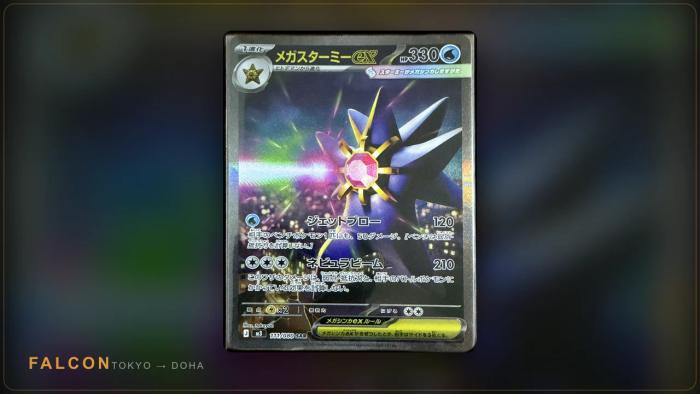
If you have ever searched for what a Pokemon card should cost in Qatar, you have probably felt confused, because the same card can appear at wildly different prices depending on where you look, who is selling, and what condition it is in. That confusion is not your fault, and it is not always a sign that someone is trying to trick you. The honest truth is that a single Pokemon card almost never has one correct price. It has a range, and that range shifts with rarity, set, condition, language, grading, supply, demand, and the simple reality that a card printed in Japan has to travel a long way before it reaches a shelf in Doha. This guide is our attempt to explain all of that in plain language, so that when you see a price you can judge it calmly for yourself. We are FALCON, an independent reseller bringing Japanese Pokemon cards to customers in Qatar, and we are not affiliated with, endorsed by, or partnered with Pokemon or Nintendo in any way. We will not promise you the lowest price on earth or free shipping on everything, because those promises are usually the first sign of a listing you should not trust. Instead we will try to make you a sharper, more confident buyer, which is better for you and, in the long run, better for us too.
Start here: there is no single price for a Pokemon card
The first mental shift that helps every new buyer is to stop asking what a card costs and to start asking what a card costs in this condition, in this language, at this grade, from this kind of seller, on this day. Those extra words are not pedantic. They are the whole reason two honest listings for the same character can differ by a large multiple. When you drop those words and expect one clean number, you set yourself up to feel cheated by prices that are actually perfectly reasonable once you understand what they describe. A price is a sentence with many hidden parts, and this guide is mostly about making those hidden parts visible.
Think about how strange it would be if someone asked what a used car costs and expected a single answer for every make, model, year, mileage, and condition at once. Pokemon cards are similar. A common card from a recent set and a sought after illustration rare from the same set are both technically Pokemon cards, yet they live in completely different price worlds. When people share screenshots of shockingly high or shockingly low prices, they are almost always comparing cards that are not the same product at all, even when the artwork looks familiar. Understanding that difference is the foundation for everything else here.
There is also a timing dimension that people forget. A price is true at a moment, not forever. A card can be quiet for months and then jump because a popular player used it in a tournament, a streamer opened it on camera, or a new set reprinted an old favorite and changed how scarce the older version feels. None of that is dishonest. It is simply a living market. So rather than memorizing a number, it is far more useful to learn how to read a price, understand what it includes, and check when it was last updated. That skill lasts, while any single number goes stale quickly.
What actually moves a Pokemon card price
When collectors argue about whether a price is fair, they are usually reacting to a handful of underlying factors without naming them. If you learn to name those factors, most confusing prices suddenly make sense. Below are the main forces that push a Pokemon card price up or down. In real life they act together, all at once, which is why a card can be pulled in several directions and still land at a price that feels reasonable when you understand the full picture.
Rarity and how the card was printed
Rarity is the loudest single factor, but it is more complicated than a symbol in the corner. Modern Japanese sets include many tiers, from ordinary cards to special illustration cards that are deliberately printed in tiny numbers as chase cards. A card that is designed to be hard to pull will command a far higher price than a common from the same pack, even though both came out of the same product. The artwork, the finish, and whether a card is a so called alternate art or full art version all feed into how scarce and desirable it is, and therefore into its price.
The set it comes from
The set matters because sets differ in print volume, popularity, and how long ago they were released. A card from a heavily printed recent set is usually easier to find, which tends to keep its price gentler, while a card from an older or short printed set can be harder to source and therefore pricier. Sets tied to popular themes, anniversaries, or beloved characters attract more demand, and demand is half of every price. Two visually similar cards from different sets can sit at very different prices for these reasons alone.
Condition of the card
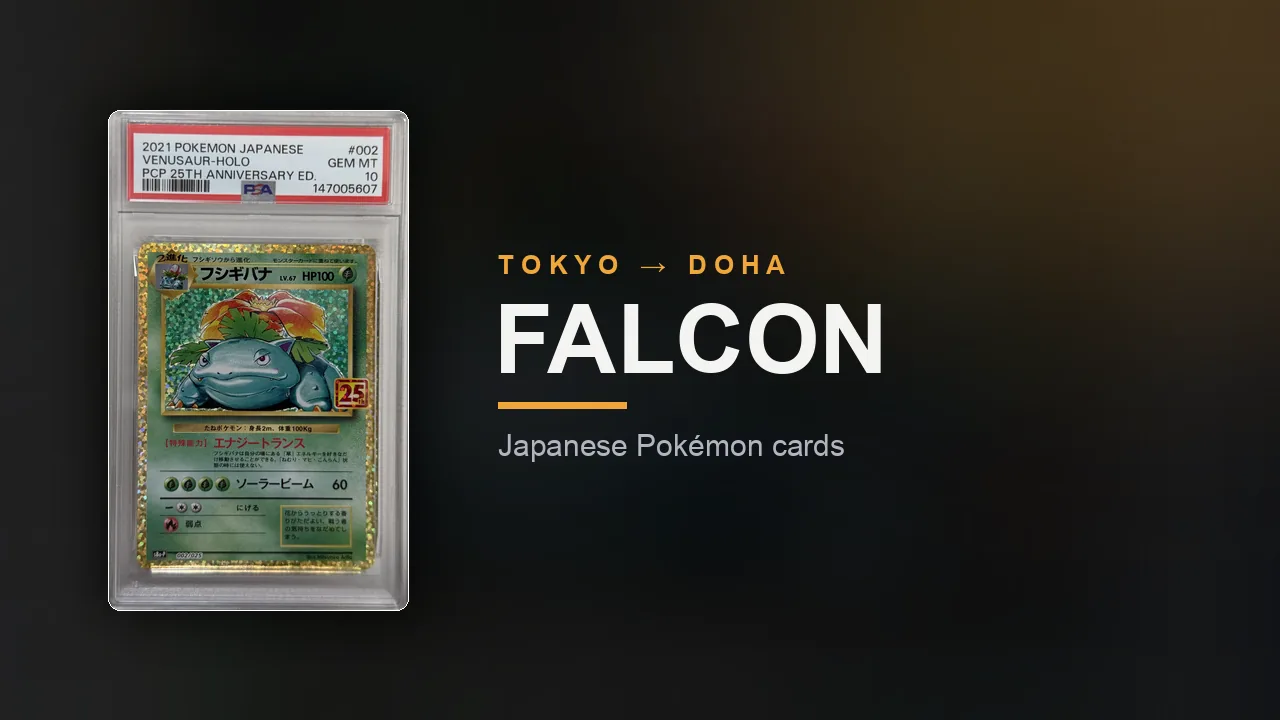
Condition is where a single card price can swing dramatically. A card with sharp corners, clean edges, a flawless surface, and strong centering is worth far more than the same card with whitened edges, a scratch, or a bent corner. For raw, ungraded cards, small flaws that are easy to miss under normal light can still lower value, which is why careful sellers photograph cards under even lighting and describe flaws honestly. When you compare two prices for the same card, condition is often the invisible reason one is higher than the other.
Japanese versus English printings
Language is a genuine price factor. Japanese and English versions of the same character are different products with different supply, different demand, and often different print quality reputations. Many collectors specifically seek Japanese cards for their finish and for exclusive artwork that never received an English release, while others prefer English for readability and for the sets they grew up with. Neither is universally more valuable. A Japanese card can be cheaper or dearer than its English counterpart depending on the exact card, so it is a mistake to assume one language is always worth more.
Grade and third party authentication
Finally, whether a card has been graded by a third party company changes everything about how it is priced. A graded card comes sealed in a tamper evident case with a number that summarizes its condition, and that number, together with the reputation of the grading company, creates a much tighter and more confident price than a raw card, whose condition every buyer must judge for themselves. We will spend a whole section on how wide the gap between raw and top grade can get, because it surprises almost everyone the first time they see it.
It is worth stressing that these five dials rarely move in isolation, and that is what makes pricing feel slippery to a newcomer. A card might be a lower rarity, which pulls its price down, yet come from a beloved short printed set, which pulls it back up, while sitting in only average condition, which pulls it down again. The final number is the sum of all these tugs, and two cards that share one obvious feature, such as the same character, can still land far apart because the other four dials are set differently. When you train yourself to check all five rather than fixating on the one you noticed first, prices stop feeling random and start feeling like the honest arithmetic they usually are.
Raw versus PSA 10: how wide the gap really gets
One of the biggest shocks for a new buyer is discovering how far apart the price of a raw card and the price of the same card in a top grade can be. A raw card is one that has not been sent to a grading company. A graded card has been examined, assigned a condition number, and sealed in a protective case. When a card earns the highest grade, often written as a perfect ten, it can be worth several times more than the same card sold raw, and for scarce cards the gap can be even larger than that. This is not a trick. It reflects the confidence, protection, and scarcity that a top grade represents.
To understand the gap, imagine one hundred copies of the same raw card. When those copies are graded, only a fraction earn the very top grade, because tiny flaws in centering, corners, edges, or surface knock most cards down a level. That means a top grade copy is genuinely rarer than a random raw copy, even though they started life identical. Buyers pay for that rarity and for the certainty that an expert examined the card. The same logic explains why a slightly lower grade often costs a fraction of the perfect grade, even though the difference between them can be invisible to an untrained eye.
There is also a practical reason the gap matters even if you never plan to grade anything yourself. Because a top grade is scarce and a raw copy is not, the two versions attract very different buyers. A raw card appeals to someone who wants to own or play with the card and trusts their own eyes on condition, while a top graded copy appeals to someone who wants certainty, protection, and the confidence that comes from a third party verdict. Neither buyer is wrong, and neither price is fake. When you understand which buyer you are, you stop comparing the two numbers as if they were rivals and start choosing the version that actually fits your goal. That single shift removes a great deal of the frustration people feel when a graded price towers over a raw one.
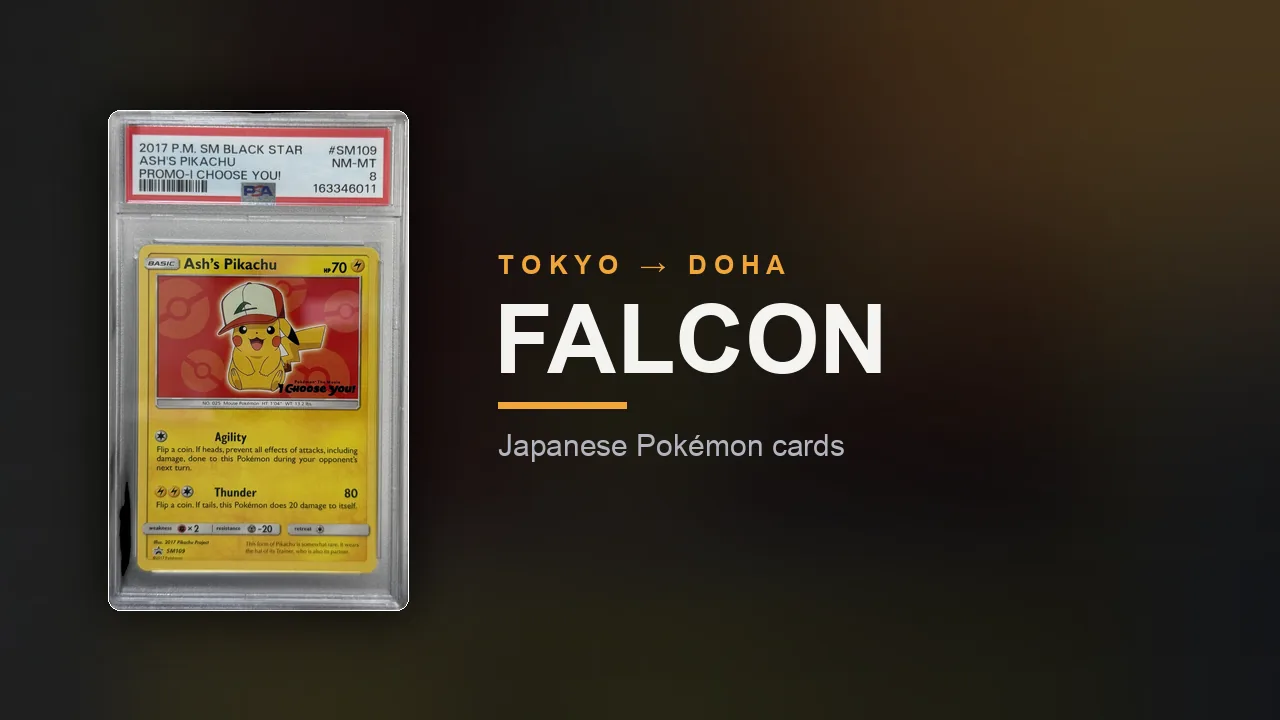
This is why the same card can appear at a low raw price in one place and a high graded price in another, and both can be honest. They are simply describing different products with different levels of certainty and protection. When you see a graded price that looks enormous next to a raw one, do not assume the raw seller is cheating or that the graded seller is greedy. Ask instead which version you actually want to own, because the right choice depends on your goal, your budget, and how much risk you are comfortable carrying.
Why Qatar prices differ from US and Japan listings
A very common frustration is seeing a card listed cheaply on a Japanese marketplace or a United States site and then wondering why a seller in Qatar shows a higher number. It feels like something must be wrong. In almost every case, nothing is wrong. The gap comes from the real, unavoidable costs and risks of moving a small, fragile, valuable item from one country to another, and from the difference between a raw marketplace number and a delivered, supported price. Understanding those layers removes most of the suspicion.
Sourcing and import costs are real
A card that appears on a Japanese site at a low price is not sitting in Doha. Getting it there involves buying it, inspecting it, protecting it, shipping it internationally, insuring it against loss or damage, and handling any duties or fees that apply on arrival. Each of those steps costs money and takes time, and a responsible seller has to include those costs rather than pretend they do not exist. When you compare a bare marketplace price in Japan to a delivered price in Qatar, you are comparing an ingredient to a finished, delivered meal.
A marketplace number is not a delivered price
The low number you see on a foreign platform usually excludes international shipping, insurance, payment fees, currency conversion, and the risk that the item is not as described or never arrives. It also usually excludes any local support if something goes wrong. A local delivered price bundles the sourcing, the checking, the safe packaging, and the accountability into one figure. That bundle costs more than the naked number abroad, but it also carries far less risk for you, which is precisely what you are paying for.
Currency and timing add noise
Prices abroad are set in yen or dollars and must be converted to Qatari riyal, and exchange rates move. A card that looked cheap last week can look different this week purely because of currency shifts, before anyone changes a single listing. On top of that, marketplace prices abroad update constantly, so the screenshot you saved may already be stale. None of this means a local price is unfair. It means you are comparing numbers captured at different moments, in different currencies, with different things included.
There is one more layer that people almost never account for, which is the cost of the failures that never reach you. When a responsible seller sources many cards from abroad, some arrive not as described, some are damaged in transit despite careful packing, and some listings turn out to be problems that must be resolved before anything ships. A seller who stands behind what they deliver absorbs those losses rather than passing a bad card to you, and the price of the good cards quietly carries the cost of the ones that were rejected. A bare foreign listing offers you none of that filtering, which means the low number also transfers all of that risk onto you. Paying a little more for someone who has already taken those hits on your behalf is not a markup for nothing; it is the price of not gambling every single time.
How to read any price as a snapshot, not a fact
The single most useful habit you can build is to treat every price you see as a snapshot taken at a specific moment, rather than a permanent fact about a card. A snapshot is true when it is captured and can drift afterward, sometimes gently and sometimes sharply. When you internalize this, you stop feeling betrayed by price changes and start asking the right question, which is not what is the price, but when was this price captured and what has changed since.
A good listing helps you do this by showing when its price was last updated and by being clear about what the price includes. A price with no date is a price with no context, and a price with no context is hard to trust, not because the seller is dishonest, but because you cannot tell whether it reflects today or last season. Data freshness is not a technical nicety. It is the difference between a number you can act on and a number you can only guess about.
Reading a price as a snapshot also protects you from panic and from hype. If a card jumps in price, a snapshot mindset reminds you that the jump may be temporary, driven by a burst of attention that can fade. If a card falls, the same mindset reminds you that the drop may be noise rather than a permanent verdict. Neither the spike nor the dip is a command to act immediately. Good buying decisions come from calm reading of current, dated information, not from reacting to a single dramatic number.
Packs, singles, and sealed boxes are priced differently
People often lump all Pokemon prices together, but a booster pack, a single card, and a sealed booster box are three very different purchases with three very different pricing logics. Confusing them is one of the most common reasons a buyer thinks a price looks wrong. Once you separate them in your mind, prices that seemed inconsistent start to line up sensibly.
A single card is a known quantity
When you buy a specific single card, you know exactly what you are getting. There is no surprise inside, so the price reflects that one card, its rarity, condition, language, and grade. This is the most transparent kind of purchase, because you can see the card, read its description, and compare it directly to other copies of the same card. If you want a particular character or artwork, buying the single is usually the calmest and most predictable path.
A pack is a chance, not a card
A booster pack is a small gamble. You are paying for the chance to pull something valuable, not for a guaranteed card. Most packs return common cards worth far less than the pack price, while a lucky few return a chase card worth much more. The price of a pack reflects that lottery, plus the fun of opening it. If your goal is a specific card, buying packs to chase it is usually more expensive on average than simply buying the single you want.
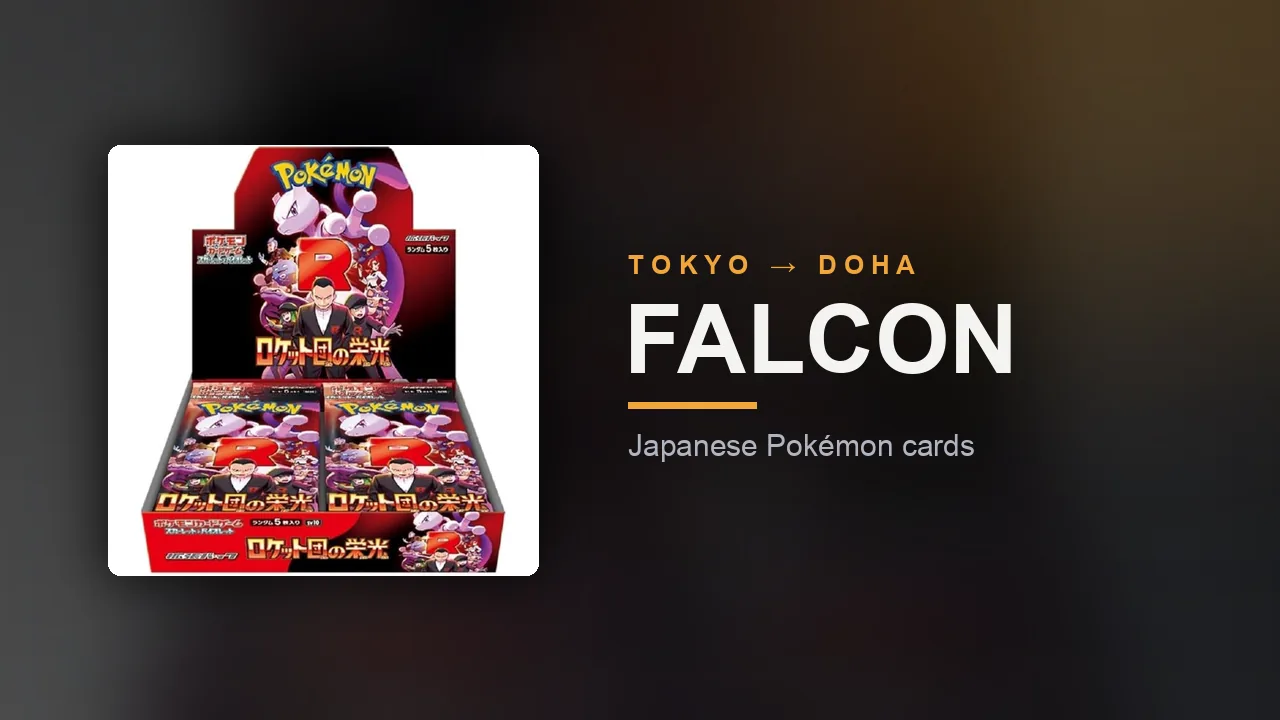
A sealed box carries frozen possibility
A sealed booster box is priced differently again. It contains many packs, so it is partly a bulk purchase of chances, but it also carries value simply for being unopened and factory sealed. Because sealed product is discussed both as something to open and as something to keep, its price can sit above the plain sum of the packs inside. That premium for the sealed state is real, and it deserves its own explanation, which comes next.
Explaining the sealed premium
Newcomers often ask why a sealed box can cost more than the packs it contains would cost individually, or why an old sealed box can be dramatically pricier than a newer one. The answer is the sealed premium, which is the extra value people place on the unopened, factory sealed state itself, separate from the expected contents. It sounds odd until you see the reasoning, and the reasoning is worth understanding because it also explains a lot of single card pricing.
As long as a box stays sealed, every card that could be inside is still, in a sense, inside, including the rare ones. Opening the box collapses that possibility into whatever you actually pull. Many collectors value that frozen possibility and the untouched condition it protects, and that is part of why sealed product can trade above the average value of its likely contents. The premium is genuine, but it is not fixed. It can shrink as well as grow, especially if a set is reprinted and fresh sealed supply enters the market.
Scarcity over time also feeds the premium. A set is printed for a limited window and then most boxes are opened, so the number of still sealed boxes can only shrink. If interest holds steady while sealed supply slowly disappears, that basic arithmetic tends to support the price of the remaining sealed boxes. This is a tendency, not a promise, and it can be undone by a reprint or by fading interest in the set. Never treat a sealed premium as a guaranteed return.
It is worth being honest about how easily the sealed premium can mislead a new buyer, because the story is genuinely appealing and only half complete. The part people repeat is the comforting half, that supply shrinks and prices tend to hold, and it is true as a general tendency. The part people skip is that a publisher can decide to reprint a popular set, that interest in any particular set can quietly fade as newer sets arrive, and that a premium built on scarcity evaporates the moment scarcity does. None of this means sealed product is a bad thing to own, and many collectors enjoy it for years without regret. It simply means the premium is a description of how a market has behaved, not a promise about how your specific box will behave, and treating those two as the same thing is the most common and most expensive mistake in this corner of the hobby.
How FALCON keeps its pricing transparent and auditable
Because prices are snapshots and because trust matters more than any single deal, we try to make our pricing something you can examine rather than something you must simply accept. We would rather explain a price you can understand than win a sale with a number you cannot check. This section describes how we think about that, so you know what to expect and what to ask for.
Every price is dated
We treat the date of a price as part of the price. A number without a capture time is missing half its meaning, so we aim to show when a price was set and to refresh it as the market moves. This lets you judge how current a figure is and decide for yourself whether it still reflects today. Data freshness is a promise about honesty, not a technical detail, and we would rather show a clearly dated snapshot than pretend any price is permanent.
The basis of a price can be explained
A price should be traceable to its parts. Sourcing cost, condition, rarity, language, grade, and the costs of safely delivering a fragile item to Qatar all feed into a final figure, and none of those should be a mystery. If a price seems high or low to you, it is fair to ask why, and a trustworthy seller should be able to point to the reasons rather than shrug. We aim to keep that reasoning available so a price can be audited rather than merely believed.

Self sourced stock is separated from made to order items
We keep a clear line between cards we already hold and items we obtain to order after you request them, because blurring that line would mislead you about availability and timing. An item we have in hand can move quickly, while a made to order item depends on sourcing and carries its own timeline. Being honest about which is which is part of transparent pricing, because a price means little if you are unclear about whether the item is truly ready or still being obtained.
Transparency is not only about the numbers we show but about the words we refuse to use. It would be easy to write that our stock updates live, or that our prices are always the lowest, or that every card is guaranteed to rise, because that language sells. We avoid it on purpose, because none of it would be honest. Inventory is a snapshot captured at a moment, prices reflect real costs we cannot wish away, and future value is genuinely unknown to us and to everyone else. Choosing careful, honest phrasing over exciting promises sometimes costs us a sale to a flashier competitor, and we accept that trade, because a customer who was told the truth and bought anyway tends to come back, while one who was sold a fantasy tends to leave disappointed. Honesty is simply the more durable business.
How to spot a listing that is too cheap to be true
It is tempting to chase the lowest number you can find, but in the card world a price that is far below everything else is usually a warning, not a bargain. Scammers and careless sellers rely on the excitement of a cheap price to switch off your caution. Learning the common warning signs protects your money far better than hunting for the single lowest figure ever posted.
- A price dramatically below every other listing for the same card, with no clear reason such as a disclosed flaw.
- Vague or stock photos instead of clear, well lit pictures of the actual card being sold.
- No mention of condition, or condition described only in glowing words with no honest detail.
- Pressure to decide immediately, or pressure to move the conversation and payment off a normal, traceable channel.
- Promises that sound too generous, such as guaranteed lowest price on earth or free shipping on everything with no conditions.
- A seller who cannot or will not explain how the price was reached, or who has no dated, checkable basis for it.
None of these signs alone proves fraud, but several together should make you slow down. A genuine seller of a valuable card has costs to cover and reasons for the price, so a number far below reality usually means the card is fake, damaged in a hidden way, not actually in hand, or that the offer is simply not real. The excitement of a cheap price is exactly the feeling a bad listing is built to trigger, so treat that excitement as a cue to check more carefully, not less.
It also helps to understand the psychology that scammers rely on, because naming it defuses it. A price that is far too low creates a small sense of urgency and luck all at once, a feeling that you have stumbled onto something before anyone else and must act before it disappears. That feeling is manufactured on purpose, and it is designed to stop you from doing the boring, protective things a normal purchase deserves, like asking for more photos or checking who you are dealing with. The single most useful reflex you can build is to treat that jolt of excitement as an alarm rather than a reward. Real bargains do exist, but they survive scrutiny; a genuine seller with a fair reason for a lower price will happily explain it, while a fake one needs you to hurry precisely because scrutiny would expose the problem.
Comparing sellers fairly instead of by headline price
Once you accept that the lowest headline number is not automatically the best deal, the next skill is comparing sellers on the full package rather than a single figure. Two prices are only comparable when they describe the same card, in the same condition, with the same things included, backed by the same level of trust and support. Comparing a bare number to a fully delivered, supported price is not a fair fight, and it usually leads to bad decisions.
When you weigh one seller against another, look past the number to what surrounds it. Is the card the same rarity, language, and grade. Is the condition described honestly with clear photos. Does the price include safe packaging, insurance against loss or damage, and accountability if something goes wrong. Can you tell when the price was set. A slightly higher price that includes all of this can be far better value than a lower price that includes none of it and leaves you carrying every risk yourself.
It also helps to notice how a seller communicates. A seller who answers condition questions plainly, admits flaws, explains pricing, and does not pressure you is worth a small premium over one who dodges questions and pushes you to hurry. Trust is part of what you buy with a valuable, fragile item traveling across borders, and trust is hard to price but easy to feel. Over many purchases, buying from clear, honest sellers usually costs less in regret than chasing the lowest number every time.
Understanding QAR pricing and currency conversion
Because these cards originate in Japan and are often referenced against United States prices, currency is always lurking behind the number you see. A price you compare in yen or dollars has to become a price in Qatari riyal before it means anything for your wallet, and that conversion is not a fixed, permanent ratio. Understanding this removes a lot of confusion about why local prices move even when nothing about the card itself has changed.
Exchange rates drift, sometimes gently and sometimes noticeably, and every drift quietly reshapes what a foreign price means locally. A card that looked cheap in dollars last month can feel different this month purely because of currency, before any seller changes a listing. When you convert a foreign price yourself to check a local one, remember that you are freezing a rate at one moment, and the real rate at purchase time may differ. That is normal, and it is another reason a single converted number is a snapshot rather than a fixed truth.
The practical takeaway is simple. When you compare a local riyal price against a foreign one, do the conversion, but treat the result as a rough guide with a margin of error, and do not expect the two to match to the last unit. A local price also bundles sourcing, delivery, insurance, and support that a bare foreign number leaves out, so a modest difference after conversion is usually reasonable rather than suspicious.
Condition terms and why raw estimates vary
Condition language is one of the biggest sources of price confusion, because words like mint and near mint are used loosely and mean slightly different things to different people. For a raw card, condition is a judgment, not a certified fact, and two honest sellers can grade the same card a shade differently. That is why raw prices for the same card can spread out even when nobody is being dishonest. Learning the vocabulary helps you read a listing accurately instead of guessing.
Graders and sellers look at four main areas when judging a card, and each can quietly raise or lower a price. Understanding these lets you ask better questions and interpret photos more sharply.
- Centering, meaning how evenly the artwork sits within the borders, which is often the first thing a grader checks.
- Corners, which should be sharp rather than soft, rounded, or whitened from handling.
- Edges, which can show whitening, nicks, or roughness that are easy to miss under poor lighting.
- Surface, which can carry scratches, print lines, indentations, or clouding that dull an otherwise clean card.
Because raw condition is a judgment, the safest approach is to rely on clear photographs under even light rather than on a single word like mint. A careful seller shows the actual card from angles that reveal edges and surface, and describes any flaw plainly. When condition is documented that well, the price makes sense and you carry far less risk. When condition is described only with flattering words and blurry pictures, treat the price as uncertain no matter how attractive it looks.
One reason raw condition estimates vary so much is that lighting hides and reveals different flaws, and most casual photos are taken in whatever light happened to be available. Soft, even light can make a card look flawless while gentle surface scratches and faint edge whitening stay invisible, and harsh direct light can exaggerate a tiny mark until it looks worse than it is. This is not always deception; it is often just the difference between a phone snapshot and a careful set of photos taken to show the card honestly. When you cannot see a card under conditions that would reveal its flaws, the sensible response is to assume the price carries some uncertainty and to ask for better images rather than to imagine the best case. A seller who wants your long term trust will gladly provide them, because honest photos protect both sides from a disappointed buyer later.
Japanese rarity codes and how they affect price
Japanese sets use a family of rarity codes that newcomers find cryptic, and these codes have a direct effect on price. You do not need to memorize every one, but knowing the general ladder helps you understand why one card from a set costs a little and another from the same set costs a great deal. The codes describe how special a card is, from ordinary printings up to deliberately scarce chase cards.
In broad terms, the higher and rarer tiers feature more elaborate artwork, special foil finishes, and much smaller print numbers, and all of that pushes the price up. Lower tiers are common and inexpensive because they appear far more often. Special illustration and full art style cards, printed in small numbers as the highlights of a set, sit at the top of the price ladder, while standard cards sit near the bottom. The exact letters matter less than the idea that a set contains a spread of rarities at very different prices.
This is why comparing two cards from the same set can be misleading if you ignore rarity. A common and a special illustration card share a set and maybe even a character, yet they are almost different products in price terms. When you see a surprisingly high or low number, checking the rarity tier often explains it instantly. The code in the corner is not decoration. It is one of the clearest signals of where a card sits on the price ladder.
Setting a realistic budget by tier
Rather than fixating on exact figures that will be stale by the time you read them, it helps to think in tiers, because tiers stay useful even as specific prices move. Deciding which tier you are shopping in before you look at listings keeps you calm and stops a dramatic chase card price from making you feel that the whole hobby is out of reach. It is not. There is a wide, affordable middle that many collectors enjoy for years.
- Entry tier: common and uncommon cards and gentle recent singles, ideal for building a collection you enjoy without much financial pressure.
- Middle tier: solid rare cards and popular characters in good raw condition, where most active collectors spend most of their time.
- Upper tier: high rarity special illustration cards and desirable graded copies, where prices climb steeply and choices deserve real thought.
- Chase tier: the scarcest cards and top graded copies, where prices can be very large and where caution, patience, and honest advice matter most.
Choosing a tier first turns an overwhelming market into a manageable one. If your budget lives in the entry or middle tier, the eye watering prices you see for chase cards are simply not your concern, and they should not sour the hobby for you. If you do venture into the upper or chase tiers, do so slowly, ask more questions, and never stretch beyond what you are comfortable spending on a collectible whose future value nobody can promise.
A calm framework for deciding what to pay
When you are finally looking at a specific card and a specific price, a simple, repeatable framework keeps you steady. The goal is not to find the theoretical lowest price in the universe, which usually does not exist in a form you can safely buy, but to decide whether this price, for this card, from this seller, on this day, is fair and right for you. A few plain questions get you most of the way there.
- What exactly is this card: its set, rarity, language, and whether it is raw or graded.
- What condition is it in, and can I see clear, honest photos that back up the description.
- When was this price set, and does it still look current against other dated listings.
- What does the price include: safe packaging, insurance, support, and delivery to Qatar.
- Does the seller explain the basis of the price and answer my questions without pressure.
- Is this price within the budget and tier I decided on before I started looking.
If the answers are satisfying, the price is probably fair for you, even if it is not the lowest number you have ever seen. If several answers are unclear or uncomfortable, that is a reason to pause, ask more, or walk away, no matter how tempting the figure is. This framework will not turn you into a professional overnight, but it will protect you from the two most common mistakes, which are overpaying in a panic and underpaying into a scam.
A quiet benefit of running through these questions is that it slows you down at exactly the moment speed would hurt you. Most regretted purchases happen in a rush, when a price feels like it might vanish or when the excitement of a card overrides careful thought. Working through six plain questions takes only a couple of minutes, but those minutes break the spell of urgency and let your judgment catch up to your enthusiasm. If a seller cannot tolerate you taking those two minutes, that reluctance is itself an answer. And if the card really is right for you, it will still be right after you have thought it through, which is the whole point of buying with a clear head rather than a racing heart.
Our independence, and a final honest word
We want to close by repeating something we said at the start, because it matters more than any pricing tip. FALCON is an independent reseller. We are not affiliated with, endorsed by, sponsored by, or partnered with Pokemon, Nintendo, Creatures, Game Freak, or any grading company. We buy Japanese cards, check them, and bring them to customers in Qatar, and we have a commercial interest in selling to you, which you should keep in mind while reading everything above.
We have chosen to write plainly about ranges, risks, and uncertainty rather than dazzle you with promises, because a buyer who understands the market and buys anyway is a happier long term customer than one who was sold a fantasy. We do not claim the lowest prices on earth, we do not promise free shipping on everything, and we do not pretend any price is permanent. What we try to offer is honest sourcing, clear condition photos, dated prices you can question, and safe delivery, all at a fair figure for what is included.
So the next time you see a Pokemon card price in Qatar and feel that flash of doubt, slow down and read it as a snapshot. Ask what the card is, what condition it is in, when the price was set, what it includes, and whether the seller will explain it. Confirm anything about tax, customs, or import through official Qatar sources. Do that, and you will buy with confidence rather than confusion, which is exactly what we hope this guide has given you.
Frequently asked questions
Why does the same Pokemon card show so many different prices in Qatar?
Because a single card almost never has one correct price. The figure depends on rarity, set, condition, whether it is Japanese or English, and whether it is raw or graded, plus when the price was captured. Two honest listings for the same character can differ by a large multiple simply because they describe different products at different moments. Read each price as a snapshot with context, not as a fixed fact.
Is a card cheaper if I buy it from Japan or the United States instead of locally?
The bare number abroad often looks lower, but it usually excludes international shipping, insurance, payment and currency conversion fees, any import costs, and local support if something goes wrong. Add all of that to the foreign number before comparing. Once you do, a local delivered price is usually far more reasonable than it first appears, and it carries much less risk for you.
How much more is a graded card worth than a raw one?
It varies widely. A top grade copy can be worth several times more than the same card sold raw, and for scarce cards the gap can be larger, because only a fraction of raw cards ever earn the highest grade. This is a general tendency, not a fixed rule, and grading trends and demand can move it. Never assume a raw card will grade high, since grading is a bet rather than a guarantee.
Are Japanese cards always worth more than English ones?
No. Japanese and English versions are different products with different supply and demand, and neither is universally more valuable. A Japanese card can be cheaper or dearer than its English counterpart depending on the exact card, the set, and collector preference. Judge each card on its own rather than assuming one language always wins.
A listing is far cheaper than everywhere else. Should I grab it?
Be very cautious. In the card world a price far below everything else is usually a warning rather than a bargain. It can mean the card is fake, hidden damage exists, the item is not actually in hand, or the offer is not real. Ask for clear photos, honest condition details, and the basis of the price. A trustworthy seller welcomes those questions; a dishonest one gets defensive or disappears.
Can you tell me the exact price a specific card will cost?
Not in a permanent way. We can show a current, dated price on the listing itself, but any figure is a snapshot that moves with supply, demand, and exchange rates. This guide gives ranges and reasoning rather than fixed quotes on purpose, so that you can judge a live, dated price for yourself when you are ready to buy.
Do you include taxes, customs, and import charges in the price?
We do not state fixed tax, customs, or import figures in this guide because those are set by the authorities and can change. Please confirm the current rules and any charges through official Qatar sources. What we focus on is honest sourcing, clear condition, dated prices, and safe delivery, and we are always happy to explain how a specific price was reached.
Is buying sealed boxes a good way to make money?
Please do not treat it that way. Sealed product is a hobby first, and any financial outcome is uncertain and entirely your own responsibility. Prices can fall as well as rise, reprints can add supply without warning, and no seller can promise a profit. If you enjoy owning sealed product, that is a fine reason to buy; expecting guaranteed gains is not.
Is FALCON connected to Pokemon or Nintendo?
No. FALCON is an independent reseller and is not affiliated with, endorsed by, sponsored by, or partnered with Pokemon, Nintendo, or any grading company. We source Japanese cards, inspect them, and deliver them to customers in Qatar. We have a commercial interest in selling to you, which is why we try to be transparent about ranges, risks, and how our prices are set.