From Pokémon TCG Pocket to Real Cards: A Beginner's Guide for Qatar
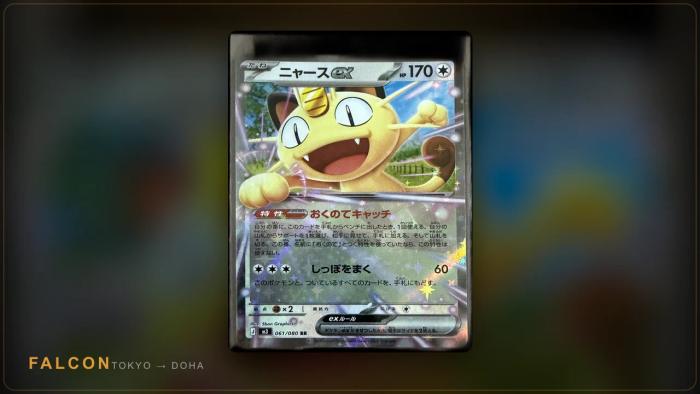
Millions of people opened their first Pokémon pack inside an app. Pokémon TCG Pocket made collecting feel instant, colourful and social, and for a lot of players in Qatar it was the moment the hobby clicked. But at some point a familiar thought appears: what would it feel like to actually hold these cards? A digital Charizard is fun to pull, yet a real one you can slide into a sleeve, show a friend, or keep for years is a different kind of joy. This guide is written for that exact moment. It explains how the app and physical collecting differ, why so many collectors start with Japanese-version cards, what a sensible first purchase looks like on a modest budget, what grading and PSA 10 really mean, and how genuine cards reach you in Qatar through cross-border delivery. Prices here are approximate and move constantly, so always treat every figure as a starting point to verify.
What changes when cards leave the screen
In TCG Pocket everything is designed to be frictionless. Packs open in seconds, cards never bend, and you can compare your collection with friends by tapping a button. Physical collecting is slower and, for many people, that is the whole point. A real card has weight, texture and a foil pattern that shifts as it catches the light. The wait for a package to arrive becomes part of the fun, and the first time you place a card into a protective sleeve you understand why people keep this hobby for decades.
There is also a difference in ownership. A digital card lives inside an account and a company's servers. A physical card is simply yours. You can trade it, gift it, display it, or one day pass it on. That permanence is a large part of why players who start in the app eventually want something they can hold.
TCG Pocket and physical cards: the real differences
Understanding a few practical differences will save you money and disappointment as you move from tapping to buying.
Rarity works differently
In the app, rarity symbols and special art styles are shown clearly on each card. In the physical world, rarity is expressed through set symbols, holo patterns, secret-rare numbering and art-rare treatments that vary by set and region. It is worth learning to read the bottom corners of a card, where the set code and card number live, because that is how sellers and graders identify exactly what you own.
Condition suddenly matters
A digital card is always mint. A physical card can have soft corners, surface scratches, print lines or an off-centre image, and every one of those things affects value. This is why sleeves, top-loaders and careful handling exist, and it is the single biggest mindset shift for new collectors.
Language and region are a choice
The app is one global product. Physical Pokémon cards are printed in several languages, and the Japanese versions form their own respected corner of the hobby. Choosing which language to collect is one of the first real decisions you will make.
Why many collectors start with Japanese-version cards
Japan is where Pokémon began, and Japanese-version cards have a strong reputation among collectors worldwide. There are a few practical reasons they make a good entry point.
- Print and finish quality is widely praised, and the artwork on Japanese special-art cards is often released first, so you see new designs early.
- Japanese booster packs and boxes generally carry a lower sticker price per pack than some English equivalents, which makes experimenting more affordable.
- The Japanese release calendar is fast and varied, giving beginners a wide menu of sets to explore.
- Because the cards come directly from Japan, a store that specialises in Japanese product can offer a cleaner supply story than mixed grey-market stock.
What a beginner should buy first
The best first purchase is one that teaches you the hobby without risking much. There is no single correct answer, but a simple progression works well for most people coming from the app.
Start small and learn the feel
- A few single cards of Pokémon you already love from the app. Buying singles lets you get exactly what you want instead of relying on luck.
- One current Japanese booster pack or a small number of packs, purely for the experience of opening real product.
- Basic protection supplies from day one: penny sleeves and a few top-loaders or a small binder.
A rough budget guide in QAR
These are approximate figures that move constantly and must be verified before you buy. A single common or uncommon card can cost only a few QAR. A single modern booster pack often sits somewhere in the region of roughly 25 to 60 QAR, approximate and subject to change. A popular special-art or chase card can range from tens to many hundreds of QAR depending on demand, condition and how recent the set is. Graded cards are a separate market and can climb far higher. Treat every number here as an approximate reference to confirm, never a fixed price.
What PSA 10 actually means
Sooner or later you will see cards described as PSA 10, and it helps to understand what that is. PSA is one of the well-known third-party grading companies. When a card is graded, an expert inspects its centring, corners, edges and surface, then seals it in a tamper-evident case with a number from 1 to 10.
- PSA 10, often called Gem Mint, means the card is judged to be in essentially flawless condition.
- A high grade can significantly increase a card's value and makes condition objective rather than a matter of opinion.
- The sealed case also protects the card permanently and confirms it was authenticated.
You do not need graded cards to start collecting, and most beginners should not rush to grade. But knowing the vocabulary helps you read listings and understand why two copies of the same card can have very different prices. If you later own a card you believe is special, grading is the natural next step, and a specialist store can arrange it for you rather than leaving you to navigate international submissions alone.
Storing and protecting your collection
Protection is not optional once cards are physical, and the good news is that it is inexpensive. A simple routine keeps cards in the best possible condition.
- Put valued cards in a soft penny sleeve first, then into a hard top-loader or a rigid case.
- Store everyday cards in a binder with side-loading pockets so cards do not slip out.
- Keep cards away from direct sunlight, humidity and heat, all of which matter in Qatar's climate, so an air-conditioned indoor space is ideal.
- Wash and dry your hands before handling, and hold cards by the edges.
Getting real cards in Qatar: cross-border, shipping and customs
Genuine Japanese-version cards are not always easy to find on a local shelf, which is why cross-border delivery from Japan is the practical route for most collectors in Qatar. The process is straightforward when you use a specialist rather than piecing together auctions and forwarders yourself.
How cross-border sourcing works
FALCON focuses on Japanese-version Pokémon cards and ships to Qatar. For cards that are not held as ready stock, a made-to-order sourcing route lets you request a specific card, receive a quote, and have it obtained and shipped for you. Because supply and market prices move, quotes reflect a snapshot at the time they are prepared, so freshness and figures should always be confirmed before you commit.
Delivery, duties and timing
- International parcels can take longer than a local purchase, and delivery windows vary, so plan around estimates rather than fixed dates.
- Customs handling and any applicable duties or fees depend on current regulations and the order, and should be checked for your specific case rather than assumed.
- Choosing a seller who packs cards securely for international transit reduces the risk of damage in transit, which protects both the card and its condition.
Frequently asked questions
Can I move my TCG Pocket collection into real cards?
Not directly. The app collection and physical cards are separate. What transfers is your knowledge of the Pokémon, rarities and art you love, which makes choosing real cards much easier and more personal.
Should a beginner buy Japanese or English cards?
Both are enjoyable. Many collectors start with Japanese-version cards because of their reputation for print quality, early art releases and generally lower per-pack pricing. You do not need to read Japanese to collect them, since cards are identified by set code and number.
How much money do I need to start?
Less than most people expect. Single common cards can cost only a few QAR, and a modern booster pack often sits roughly in the range of 25 to 60 QAR as an approximate figure that changes constantly. Set a small monthly budget and always verify current prices before buying.
What does PSA 10 mean and do I need it?
PSA 10, or Gem Mint, is the top condition grade from a third-party grading company, sealed in a protective case. You do not need graded cards to start. It becomes relevant later if you own a card you consider special, and a specialist store can arrange grading for you.
How do I keep my cards in good condition in Qatar?
Sleeve valued cards and add a top-loader or rigid case, keep everyday cards in a binder, and store everything indoors in a cool, air-conditioned space away from sunlight and humidity, which matters in the local climate.
How do cards reach me in Qatar and what about customs?
Most collectors use cross-border delivery from Japan through a specialist. FALCON ships Japanese-version cards to Qatar and can source specific cards on request. Delivery times, and any customs handling or fees, depend on current rules and your order, so confirm them for your specific case.
Can I request a card that is not in stock?
Yes. A made-to-order sourcing route lets you request a specific card and receive a quote. Because market prices and supply move, treat any quote as a snapshot to confirm before you commit, and grading into a PSA 10 case can be arranged as part of the same process.