How to Protect Graded Pokemon Cards from Heat and Humidity
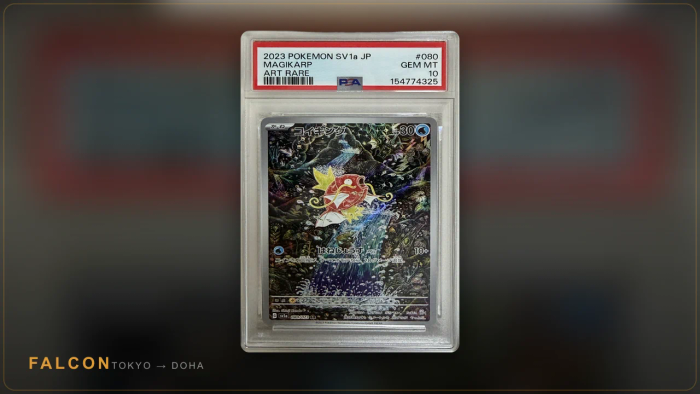
The Gulf climate is one of the toughest environments in the world for paper collectibles. Intense sunlight, long stretches of extreme heat, and humidity swings between air-conditioned interiors and the outdoors all put stress on Pokemon cards. The good news is that a few simple habits protect your collection for decades.
Sunlight is the fastest way to ruin a card
Direct sunlight fades card inks noticeably, and in a sunny climate the damage accumulates faster than most collectors expect. Fading is permanent: once the colors shift, no storage method can bring them back.
Keep cards away from windows and never display them where direct sun reaches, even for part of the day. If you want to display favorite pieces, choose a spot with no direct light exposure, and remember that strong artificial lighting aimed closely at a card over long periods can also contribute to fading.
Heat warps cardboard and stresses cases
High temperatures soften the adhesives and layers inside a card, which can lead to warping and surface changes over time. Summer conditions in the Gulf can push enclosed spaces well beyond safe levels for paper.
The two places to never leave cards are parked cars and rooms without climate control. A car interior in summer heats far beyond outdoor temperature and can damage both raw cards and cases in a single afternoon. Store your collection in a space that stays consistently cooled year round.
Humidity works slowly but relentlessly
Moisture causes paper to swell, encourages curling, and in poor conditions can lead to staining or mold. Coastal Gulf humidity is high for much of the year, and moving cards between humid outdoor air and dry air-conditioned rooms creates repeated cycles of expansion and contraction.
The practical answer is stable indoor storage plus a moisture buffer. Silica gel packs inside a closed storage box are an inexpensive way to keep the immediate environment dry, and reusable versions can be recharged when saturated. A simple hygrometer lets you check that your storage area stays in a moderate range rather than guessing.
A slab is protection, not immunity
A graded card in a PSA slab is far better protected than a raw card: the case shields it from handling, dust, and casual moisture. But a slab is not a sealed vacuum chamber, and it does nothing against light or heat. A slabbed card left in the sun will still fade, and extreme heat can stress the case itself.
Treat slabs with the same care as raw cards for light, temperature, and humidity. Store them upright or flat in a padded box, avoid stacking heavy items on top, and handle them by the edges of the case to keep the surfaces free of scratches, since a scuffed case detracts from presentation even when the card inside is perfect.
A simple storage routine for Gulf collectors
Keep the collection in an interior room away from windows, bathrooms, and kitchens. Use closed boxes with silica gel, check a hygrometer occasionally, and let any card or slab that has been outdoors acclimate to room conditions before sealing it back into storage.
When cards travel to you, packaging matters too. FALCON ships graded singles from Tokyo with protective packing recorded on video, plus tracking and insurance, so cards arrive in the condition they left. Once they reach you in Qatar, the habits above take over.
Frequently asked questions
Can I display graded cards on a shelf in Qatar?
Yes, if the spot receives no direct sunlight and the room is consistently air conditioned. Rotate displayed cards periodically and keep the rest of the collection in closed storage with silica gel.
Do PSA slabs protect against humidity?
Slabs greatly reduce casual exposure but are not hermetically sealed against the environment. Long-term storage in a stable, dry space with a moisture buffer is still the safest approach.
What humidity level should I aim for?
A moderate, stable range is the goal; large swings are more harmful than any single reading. An inexpensive hygrometer and silica gel packs in closed boxes handle this for most home collections.
Is it safe to keep cards in a storage unit or garage?
Only if the space is genuinely climate controlled year round. Uncooled storage in the Gulf reaches temperatures that can permanently damage cards, so an interior room of your home is usually the better choice.