Are Sealed Japanese Booster Boxes a Good Investment? A 2026 Reality Check
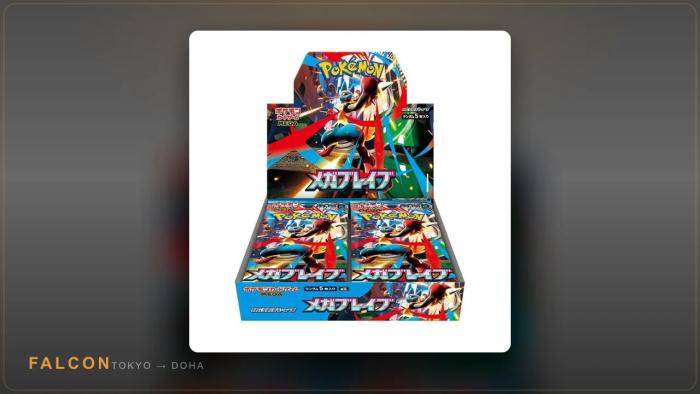
Every collector eventually asks the same question: if a sealed Japanese booster box tends to hold its value, would it not be smart to buy a few and keep them? It is a fair question, and this guide takes it seriously without pretending to have a crystal ball. We will look at why unopened product can behave differently from opened cards, what genuinely moves the price of a sealed box, and the risks that rarely get mentioned in excited social media posts. We will also be direct about something important from the very first paragraph: nothing here is financial advice, nobody can promise you a profit, and the honest answer to whether a box will be worth more later is always the same two words, which is that it depends. Read this as a way to think clearly, not as a recommendation to buy anything specific.
Start here: this is not financial advice
We put this warning first on purpose. Sealed Pokemon product is often discussed online in the language of investing, with talk of returns, appreciation, and portfolios, and that language can quietly turn a hobby into something that feels like a guaranteed financial plan. It is not. A booster box is a manufactured consumer product made of paper and foil, and its future value depends on many things that no seller, including us, can control or foresee. Treating it as a collectible you enjoy owning is healthy. Treating it as a savings account that only goes up is a mistake that can cost real money.
Throughout this guide we describe general tendencies of the sealed market, because those tendencies are useful for thinking clearly. But a general tendency is not a forecast about any one box, and past movements in a market never guarantee future movements. We will repeat this idea in several places, not to fill space, but because it is the single most important thing to keep in mind. If you remember nothing else, remember that sealed Pokemon product is a hobby first, and any financial outcome is uncertain and entirely your own responsibility.
One more point of honesty before we continue. FALCON is an independent reseller. We sell sealed Japanese booster boxes to customers in Qatar, so we are not a neutral party, and you should read everything here with that in mind. We have chosen to write plainly about the risks rather than only the upside, because a customer who understands the risks and buys anyway is a happier long-term customer than one who was sold a fantasy. Take our honesty as a reason to trust the caution, not as a reason to skip your own thinking.
Why sealed product can hold value at all
To understand why collectors talk about sealed boxes as a store of value, it helps to start with a simple idea from every collectible market: scarcity relative to demand. A booster box is printed for a limited window, distributed, opened by most buyers, and then never printed in that exact form again. Over time, as people open boxes to chase the cards inside, the number of still-sealed boxes of a given set can only shrink, never grow. If interest in that set stays steady or rises while the sealed supply slowly disappears, the basic arithmetic of fewer sealed boxes chasing similar or greater demand tends to support the price. That is the core mechanism, stated plainly and without exaggeration.
There is also a psychological dimension that is easy to underestimate. A sealed box carries a kind of frozen possibility. As long as it stays sealed, every card that could be inside is still, in a sense, inside, including the rare and desirable ones. Opening the box collapses that possibility into whatever you actually pulled. Many collectors value that unopened state itself, quite apart from the expected contents, which is why a sealed box can trade at a premium over the average value of the cards it is likely to contain. This premium is real but it is not fixed, and it can shrink as well as grow.
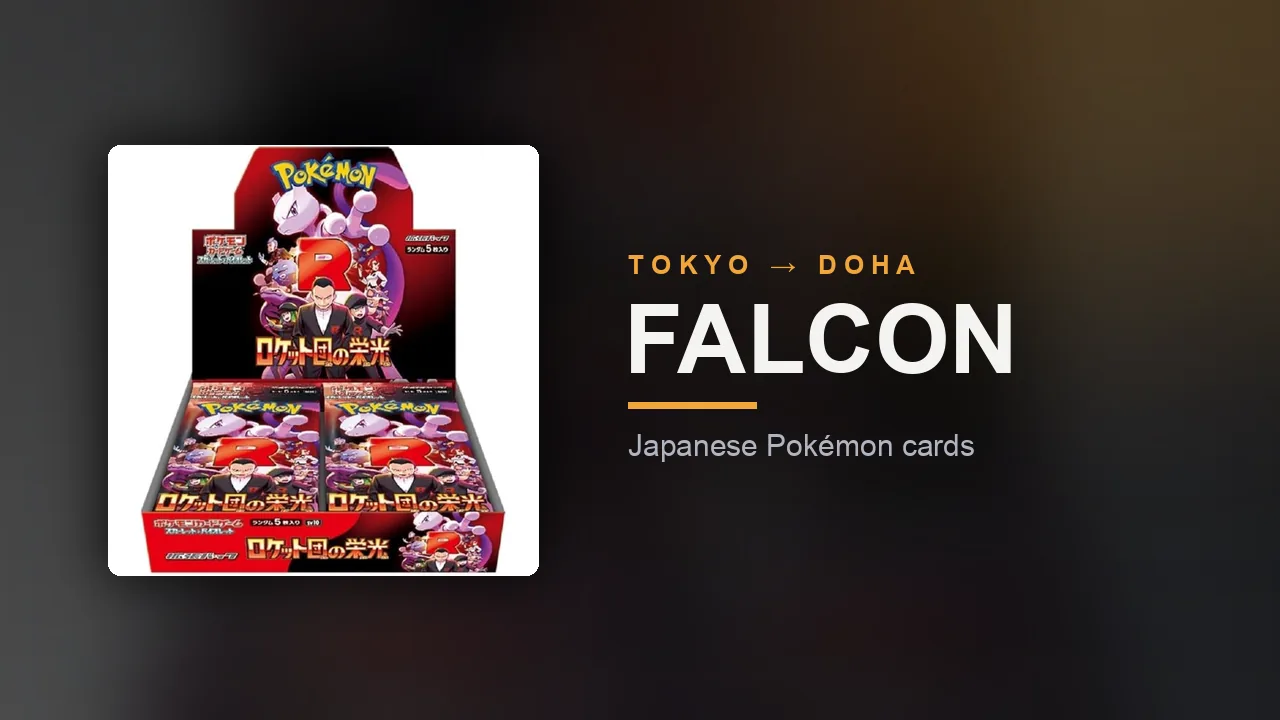
Condition matters far less to a sealed box than to a single card, and that is another reason people find sealed product appealing as something to keep. A raw single card can be scratched, bent, whitened at the edges, or scuffed on the surface, and every one of those flaws lowers its value. A sealed box, stored properly, does not develop edge wear or surface scratches on its cards, because nobody is handling them. The condition risk shifts from the cards to the packaging, which, with sensible storage, is easier to protect. We will return to storage in detail, because in the Gulf climate this point deserves real attention.
Finally, sealed boxes are relatively simple to understand and compare. One sealed box of a given set is, for practical purposes, interchangeable with another sealed box of the same set in the same condition, which makes them easier to value than single cards, where centering, print quality, and grade create endless small differences. This relative simplicity is part of why sealed product became a popular thing to hold. None of this, however, guarantees that any particular box will be worth more later. It only explains the reasoning collectors use, and reasoning is not the same as a promise.
What actually moves the price of a sealed box
When people ask why one sealed box climbed while another barely moved, the answer is usually a mix of several forces rather than a single cause. Understanding these forces will not let you predict the future, but it will help you read a set with clearer eyes and avoid the trap of assuming that every sealed box behaves the same way. Think of what follows as the main dials that push a box price up or down, all of them interacting at once.
Print volume and how much was made
The single most important supply factor is how much of a set was printed. A set printed in enormous quantities to meet huge demand will have far more sealed boxes floating around than a set with a short print run, and abundant supply tends to keep prices in check for a long time. This is often counterintuitive to newcomers, who assume the most hyped and popular sets must be the best to hold. Sometimes the very popularity that makes a set exciting also causes it to be printed heavily, which can blunt the scarcity that drives long-term price. Neither high nor low print volume is automatically good or bad, but it is always worth thinking about.
Reprints and reissues
Closely related is the reprint question, which is important enough that we give it its own section later. When a publisher reprints a set to meet demand, fresh sealed supply enters the market, and that new supply can weaken or reverse the scarcity story that supported the price. A set that seemed scarce can suddenly feel abundant again. Because reprint decisions are made by the publisher and are rarely announced far in advance, they are a genuine source of uncertainty that no buyer can fully plan around.
Chase cards inside the set
Demand for a sealed box is often driven by the desirability of the standout cards it can contain, sometimes called chase cards. A set famous for a beautiful, iconic, or competitively powerful card gives people a strong reason to keep buying and opening boxes, which supports both the singles market and the sealed premium. When a set has no card that people especially crave, the box has less pull. This is why two sets printed in similar quantities can behave very differently: the one with the beloved chase card has a demand engine the other lacks.
The competitive environment and the metagame
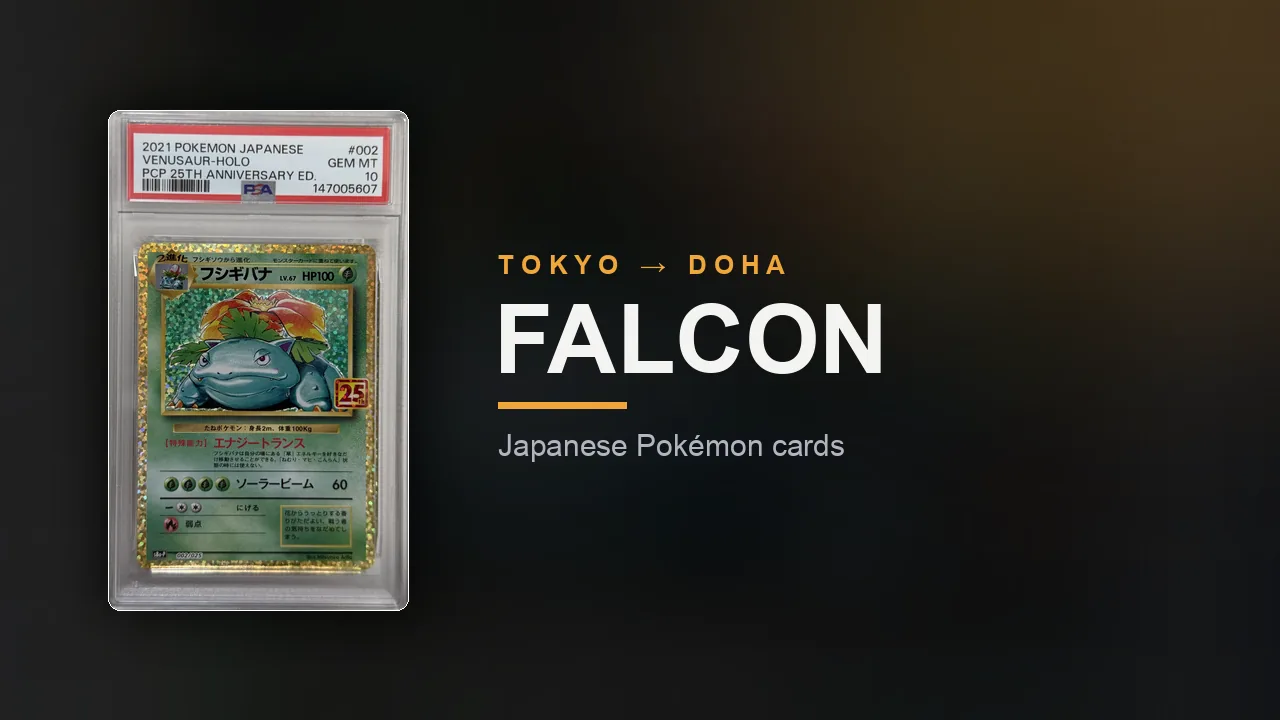
For sets that matter to the competitive card game, the metagame, meaning which cards are strong in organized play at a given time, can lift demand for boxes as players open product to find the cards they need. When a set contains staple cards for popular decks, players buy and open it, which consumes sealed supply. As the game moves on and those cards rotate out of the current competitive format, that particular source of demand can fade. This makes competitive relevance a real but temporary driver, one that can support a box for a while and then quietly disappear.
General popularity and nostalgia
Beyond specific cards and formats, there is the broad, harder-to-measure force of popularity: which characters, artists, and themes people love, and which sets acquire a lasting reputation. Nostalgia plays a large part here, as sets tied to beloved characters or memorable moments can hold attention for years. This force is real but unpredictable, and it can be created or amplified by events far outside anyone control, from a new game release to a viral moment. It is the least mechanical of the price drivers and the hardest to forecast, which is one more reason to be humble about predictions.
Understanding the risks honestly
The first major risk is reprints and fresh supply. As described above, a publisher can decide to print more of a set, and when that happens the scarcity that supported the price can weaken. You cannot know in advance whether a set you keep will be reprinted, and a reprint can turn a box that felt scarce into one that is easy to find again. This is not a rare edge case; it is a normal part of how the hobby works, and it is one of the strongest arguments against treating any sealed box as a sure thing.
The second major risk is broad market movement and sentiment. Collectible markets rise and fall in waves that have little to do with any single product. During a period of high enthusiasm, prices across the whole hobby can climb together, and during a cooling period they can fall together, regardless of how special a particular box is. If you buy at a moment of peak excitement, you may be paying a price that reflects that excitement rather than durable value, and enthusiasm can fade faster than anyone expects. Timing is not something anyone can reliably control.
The third major risk is storage and physical degradation, which is especially important for buyers in Qatar and the wider Gulf. A sealed box is a physical object, and heat, humidity, and light can damage the shrink wrap, the box, and even the cards inside over time. A box that is technically sealed but visibly sun-faded, warped, or with degraded wrap loses much of the premium that the sealed state is supposed to protect. Because this risk is so relevant to the local climate, we devote a full section to storage below, and we urge you to read it carefully.
The fourth major risk is fakes and tampering. As sealed product has gained value, some sellers have resealed opened boxes, weighed and searched boxes for the best cards before reselling the rest, or produced counterfeit product outright. A resealed or tampered box can look convincing in a photograph while being worth a fraction of a genuine one, and if it has been searched, the very cards that gave it value may already be gone. This risk is why buying from a source that inspects and stands behind its product matters, and why we cover authenticity in its own section.
The point of listing these risks is not to frighten you away from the hobby. It is to insist on an honest balance. Excited posts online tend to describe only the upside, showing boxes that rose in value and implying that this is the normal outcome. A responsible guide has to say the rest out loud: supply can grow, sentiment can turn, storage can fail, and product can be fake. Hold all of these possibilities in mind at once, and you will make calmer decisions than someone who only ever heard the good news.
The reprint question in depth
Because reprints are the single force most likely to surprise a hopeful holder, they deserve a closer look. A reprint is simply the publisher deciding to manufacture more copies of a set, usually because demand is high and stock has run low at the retail level. From the publisher point of view this is sensible and customer-friendly, since it lets more people buy the product they want at a reasonable price. From the point of view of someone holding sealed boxes hoping for scarcity, however, a reprint can be unwelcome news, because it adds supply exactly when the existing scarcity was supporting the price.
The tricky part is that reprints are hard to anticipate. Publishers do not generally publish a long-term schedule of which sets will be reprinted and when, and the decision can depend on demand signals that outsiders cannot see. This means that a set can feel scarce and valuable for a period, only for fresh supply to arrive and change the picture. Anyone telling you that a particular set will never be reprinted, and that its scarcity is therefore permanent, is claiming knowledge that they almost certainly do not have.
It also helps to understand that not all reprints are identical, and the details can matter. Some reprints are large and clearly aimed at flooding the market to satisfy demand, while others are smaller and may barely register. In some cases a later print run carries small differences that collectors learn to identify, which can even create a distinction between earlier and later copies. These nuances are real, but they are difficult to predict in advance and difficult for a newcomer to track, so we mention them for awareness rather than as a strategy.
The healthiest way to treat the reprint question is not to try to outguess the publisher, which is a game you are unlikely to win, but to accept the uncertainty and size your decisions accordingly. If you would be comfortable owning a box even if it were reprinted next year, then reprint risk is something you have already made peace with. If a reprint would turn your purchase into a disappointment, that is a strong signal that you were relying on a forecast nobody can actually make, and it is worth pausing before you commit money on that basis.
Sealed versus singles: two different bets
Collectors often treat sealed boxes and single cards as two versions of the same idea, but they behave quite differently, and understanding the contrast helps you decide which, if either, suits you. A single card is a specific object with a specific identity: a named card, from a named set, in a specific condition or grade. Its value is tied tightly to that identity, and it can be examined, graded, and compared with precision. A sealed box, by contrast, is a bundle of unknown outcomes wrapped in packaging, and much of its value comes from the possibility it represents rather than any specific card you can point to.
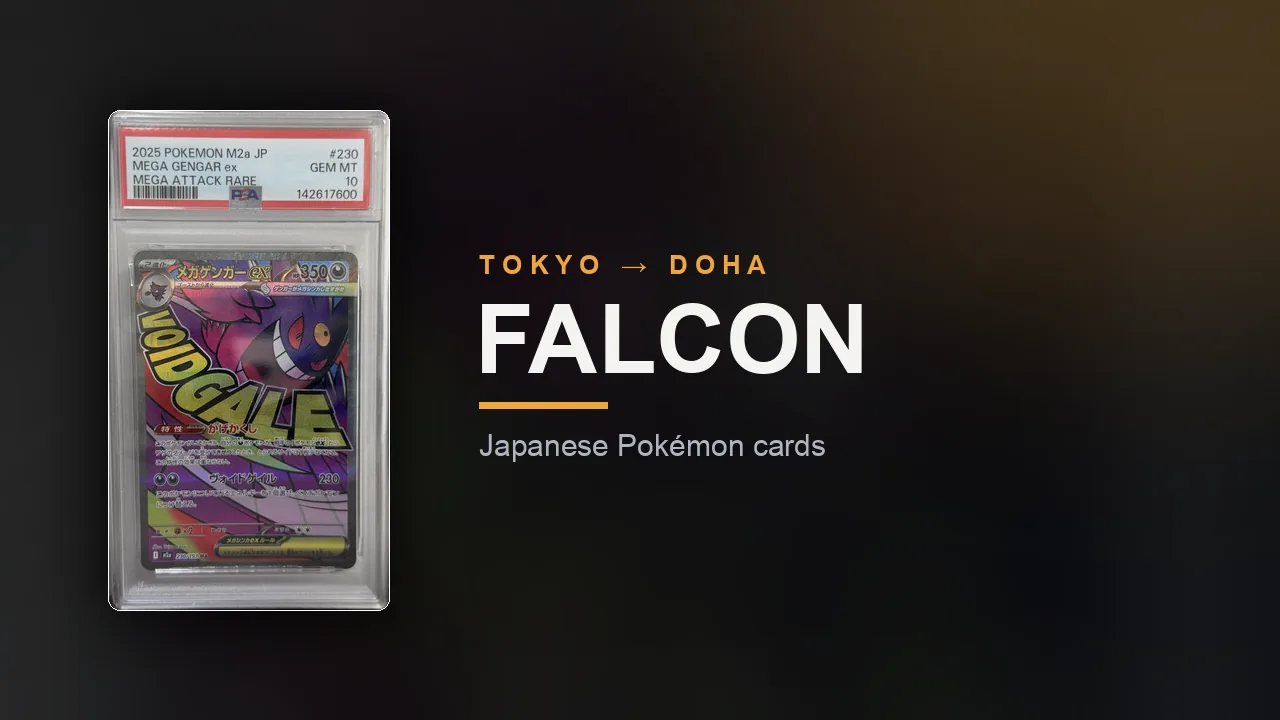
This difference shapes the risks. With a single card, especially a graded one, condition risk is largely settled: the grade describes the state of the card, and a slab protects it. Your main uncertainties are market demand for that specific card and the authenticity of the item and its grade. With a sealed box, you take on a different set of uncertainties: whether the box is genuine and untampered, how storage will treat the packaging over time, and how supply and demand for the whole set will evolve. Neither is safer in the abstract; they are simply different shapes of risk.
There is also a difference in how much knowledge each rewards. Singles reward deep, specific knowledge: understanding which exact cards are desirable, how grading works, and how to read condition. Sealed product rewards a more general reading of a set and the market: print volume, chase cards, and overall popularity. Some collectors prefer the precision of singles, where you know exactly what you own. Others prefer the simplicity of sealed, where one box of a set is much like another. Knowing your own temperament helps you choose the path you will actually enjoy and stick with.
A common middle path is to do both for different reasons: keep a sealed box or two for the pleasure of the unopened state and the general set-level story, while pursuing specific single cards that you love or find interesting. This is not a strategy for guaranteed returns, because no such strategy exists, but it can be a satisfying way to enjoy the hobby while spreading your attention across two different kinds of object. As always, whatever you choose, keep it within a budget you are comfortable committing for a long time.
Storing sealed product in the Gulf climate
Start with temperature. Extreme heat is unkind to paper and plastic alike. It can cause the box and its contents to warp, and it can make shrink wrap contract, discolor, or grow brittle over time. In a hot climate, a box left in a room that is not climate controlled, or worse in a car or a hot storeroom, is exposed to conditions far outside what the product was designed to endure. The practical goal is a stable, cool, indoor environment, ideally an air-conditioned room that stays at a comfortable temperature all year rather than swinging with the seasons.
Humidity is the second enemy, and it is easy to underestimate. Paper is hygroscopic, meaning it absorbs moisture from the air, and high humidity can lead to softening, warping, and in bad cases mold, which can ruin a box permanently. Sudden swings between humid and dry conditions are particularly stressful for paper products. Keeping sealed boxes in a space with controlled, moderate humidity, away from bathrooms, kitchens, exterior walls that sweat, and damp storage areas, goes a long way. Some collectors use sealed containers with desiccant to buffer against humidity, though the container itself must be kept somewhere cool and dark.
Light is the third enemy, and sunlight is the worst form of it. Direct sunlight fades printed colors and can degrade shrink wrap and packaging surprisingly quickly, and once colors have faded there is no way to restore them. Never store or display a sealed box where sunlight falls on it during the day, and be careful with strong artificial light as well over long periods. A closed cabinet, a drawer, or an opaque storage box in a cool interior room protects far better than an open shelf near a window, however nice the display might look.
Finally, think about physical protection and stacking. A sealed box can be dented, crushed, or have its corners crushed if it is stacked carelessly or stored under heavy objects, and packaging damage directly reduces the value of the sealed state. Store boxes so that they are supported and not bearing weight on their corners or edges, ideally in protective cases designed for the purpose. The overarching rule for the Gulf is simple to say and important to follow: cool, dark, dry, stable, and physically protected. A box stored that way has a real chance of keeping its condition, while a box stored carelessly can lose value no matter what the wider market does.
Authenticating a sealed box
A sealed box is only worth the premium of the sealed state if it is genuinely sealed and genuinely untampered, which makes authenticity central to any decision to keep one. Sealed product is authenticated differently from single cards, because you are not examining the cards themselves but verifying that the packaging is original and has never been opened. The three broad things experienced buyers look at are the shrink wrap, the weight, and the printed details and codes, and it is best to treat them as a set of checks that reinforce one another rather than any single decisive test.
The shrink wrap is the first thing to study. Genuine factory wrap has a characteristic tightness, seam placement, and finish, and the way it folds and seals at the ends follows a consistent pattern. Resealed boxes, by contrast, often have wrap that is looser, baggier, wrinkled in the wrong places, or sealed by hand in a way that differs from the factory pattern. Learning what correct wrap looks like for a given product takes some exposure, which is one reason buying from a knowledgeable, honest source is valuable: they have handled many genuine examples and know the difference.
Weight is the second check. A genuine, complete, unopened box has a consistent weight, and comparing a box against the known weight of a genuine example of the same product can reveal if contents have been removed or altered. This matters because one form of tampering is opening a box, removing the most valuable cards, replacing them with lesser ones or resealing what remains, and passing it off as untouched. A weight that does not match can be a warning sign. At the same time, weight alone is not conclusive, which is why it belongs alongside the other checks rather than standing on its own.
The printed details and any codes are the third area. The packaging printing, colors, fonts, and any markings should show the same quality and consistency as genuine product, and sloppy or slightly-off printing is a red flag. Some products carry codes or other features that can be part of a verification process. We keep this description general on purpose, because the specifics vary by product and change over time, and because the point of this guide is a sound way of thinking rather than a checklist that could go out of date.
The overall lesson mirrors what we say about single cards: no single check is proof, and confidence comes from stacking several independent checks together. A box that passes the wrap inspection, matches the expected weight, shows correct printing, and comes from a source that inspects and describes its product honestly is far more trustworthy than one that merely looks fine in a photograph. If a deal cannot survive that kind of scrutiny, the safest and usually the cheapest choice is to walk away.
Long-term holding versus flipping
People who keep sealed product tend to fall into two broad mindsets, and it is worth being clear about which one you are adopting, because they carry very different expectations. The first is long-term holding: buying a sealed box and keeping it for years, on the general reasoning that scarcity may slowly build as supply is opened away. The second is flipping: buying and reselling over a shorter period, hoping to benefit from a nearer-term move in price. These are not the same activity, and confusing them is a common way to end up disappointed.
Long-term holding leans on the slow mechanisms we described earlier: the gradual disappearance of sealed supply as boxes are opened, combined with steady or growing interest in a set. It asks for patience and a willingness to leave money tied up for a long time, and it exposes you to long-run risks like reprints and shifting popularity. Its supposed advantage is that it does not require you to time the market precisely. Its honest weakness is that years are a long time for any of the risks in this guide to materialize, and nothing about the passage of time guarantees a higher price.
Flipping, by contrast, tries to profit from shorter-term movements, which means it depends heavily on timing, on transaction costs, and on reading demand correctly in the moment. It can look easy in a rising market, when many things go up, and painful in a flat or falling one. Flipping also tends to involve more frequent buying and selling, which means fees, shipping, and the ever-present risk of buying at a local high. For most hobbyists, especially those buying from overseas with shipping and handling to consider, frequent flipping is harder and riskier than it appears in success stories online.
Our aim is not to tell you which mindset to adopt, because that is your decision and depends on your goals, your patience, and your tolerance for risk. Our aim is to make sure you know which one you are choosing and to be honest that neither is a reliable path to profit. If you buy a box, it is worth asking yourself plainly whether you are prepared to hold it for years, whether you would be comfortable if its value fell, and whether you are treating this as a hobby you enjoy or as a financial plan you are counting on. The first framing is far healthier than the second.
What makes Japanese sealed sets distinctive
Collectors sometimes ask what is special about Japanese sealed product in particular, as opposed to sets released in other regions. We answer this in general terms, because specifics shift over time and we do not want to give the false impression of a fixed formula. Broadly, Japanese sets are released on their own schedule and in their own configurations, and the Japanese market has its own rhythms of demand, which means a Japanese set can have a different supply and popularity story from a set in another region even when the characters overlap. This is a difference in context, not a promise of superior value.
One frequently cited feature is card quality and finish, with many collectors admiring the printing and presentation of Japanese cards. Whether this translates into value for a sealed box depends entirely on demand and supply for that specific set, not on quality alone, so it is best treated as one appealing characteristic among many rather than a reason to expect appreciation. Beautiful cards are a pleasure to own, and that pleasure is a perfectly good reason to buy, but it is a hobby reason, not a financial forecast.
Another feature is the way Japanese sets are structured and named, with their own set of product types and configurations that differ from other regions. For a newcomer buying from Qatar, this can be confusing at first, because the naming and structure may not match what you have seen elsewhere. Taking time to learn how the Japanese product line is organized helps you understand exactly what you are buying, which is always wise before committing money. When in doubt, ask the seller to describe precisely what the product is rather than assuming it matches a set from another region.
Finally, there is the matter of access. Japanese product is, naturally, most readily available in Japan, and buyers elsewhere depend on importers and resellers to bring it to them. This is exactly the gap FALCON exists to fill for customers in Qatar, and it also means that when you buy Japanese sealed product from overseas, the honesty and diligence of your source matter a great deal, because you are usually not able to inspect the box in person before it ships. We return to how we approach this responsibility in a later section.
The demand side: chase cards, metagame, and hype
We touched on demand drivers earlier, but because demand is where much of the emotion and risk live, it is worth spending more time on it. Demand for a sealed box is not a single thing; it is a blend of collectors who want the cards inside, players who need cards for the game, and speculators reacting to attention and hype. Each of these groups behaves differently, appears and disappears at different times, and can push a price in ways that are hard to disentangle in the moment. Reading demand is more art than science, and even seasoned people get it wrong.
Hype deserves special caution, because it is the most volatile part of demand. A set can attract a wave of attention from a viral moment, an influencer, a new game, or simply a rumor, and that attention can push prices up quickly. What goes up on hype, however, can come down just as fast when attention moves elsewhere, and buyers who purchase at the peak of a hype cycle are especially exposed. The uncomfortable truth is that the moments when it feels most exciting to buy are often the moments when prices already reflect that excitement, which is exactly when the risk of overpaying is highest.
Competitive demand, from players who open product to build decks, is more grounded but also more temporary. It tends to track the current competitive format, so a set full of useful cards can enjoy strong demand while those cards are legal and popular in organized play, then see that particular demand fade as the game moves on. If a large part of a box appeal rests on competitive relevance, it is worth remembering that this relevance has a shelf life, and planning as though it will last forever is a mistake.
The steadiest form of demand comes from collectors who simply love a set, its characters, or its art, and who want to own it for its own sake. This kind of demand is less prone to sudden collapse than hype, but it is also unpredictable in its own way, because tastes evolve and no one can guarantee that a set beloved today will be equally beloved in a decade. The honest conclusion across all forms of demand is the same: demand is powerful, it moves prices, and it cannot be reliably forecast, which is why humility beats confidence when thinking about the future.
How to start sensibly, if you choose to
If, having read all of the above, you decide you would enjoy keeping some sealed product, the goal is to do it in a way that keeps the hobby fun and the risk contained. There is no clever technique that removes uncertainty, but there are sensible habits that keep you out of the worst trouble. The following is a general starting framework, not advice to buy anything specific, and every step assumes you are spending only money you are genuinely comfortable committing for a long time.
- Decide a budget you could lose without pain, and treat that number as a firm ceiling rather than a starting point that creeps upward with excitement.
- Buy because you like the set and would be content to own it regardless of price, not because someone promised it would rise in value.
- Do not put everything into one box or one set; spreading across a few different things reduces the impact of any single one disappointing you.
- Assume any set could be reprinted, and only buy boxes you would still be happy to own if that happened.
- Verify authenticity before you commit, or buy from a source that inspects and stands behind its product, so you are not paying a sealed premium for a tampered box.
- Plan your storage before the box arrives: a cool, dark, dry, stable place, protected from heat, humidity, and sunlight, especially important in the Gulf climate.
- Keep simple records of what you bought, when, from whom, and for how much, so you always know your true position and are not relying on memory or hope.
- Be patient and unemotional: do not chase hype, do not panic in a downturn, and never spend money you need for something else.
Notice that none of these steps promise a profit, because no honest step can. What they do is keep your downside contained, protect you from the most common and most painful mistakes, and make sure that whatever happens to prices, you have enjoyed the hobby and behaved sensibly. A collector who follows habits like these can take part in the sealed market with a clear conscience and a calm mind, which is worth far more than any single price movement.
Common mistakes to avoid
It helps to name the mistakes that most often cost hobbyists money, because avoiding known traps is easier than inventing perfect strategy. Nearly all of these mistakes share a root cause: treating an uncertain collectible as if it were a guaranteed financial instrument, and then acting with more confidence than the situation deserves. Recognizing the pattern in yourself is the best protection against it.
- Buying at the peak of hype, when a set is loudest online and its price already reflects the excitement, then feeling trapped when attention moves on.
- Putting far too much money into a single box or set, so that one disappointment does real financial damage.
- Assuming a set will never be reprinted and treating its scarcity as permanent and guaranteed.
- Ignoring storage, then discovering later that heat, humidity, or sunlight has quietly damaged the box and erased its premium.
- Skipping authentication to grab a cheap deal, then finding out the box was resealed, searched, or fake.
- Confusing a hobby you enjoy with a savings plan you are counting on, and spending money you actually need.
- Reading only the success stories online and concluding that rising prices are the normal and expected outcome.
If you read that list and recognize a temptation you have felt, that is a good sign, not a bad one, because awareness is the first defense. The collectors who get hurt are usually not the ones who considered the risks and chose carefully; they are the ones who were swept up in excitement and skipped the boring, sensible steps. Slowing down, staying within budget, and refusing to rely on forecasts is unglamorous, but it is exactly what keeps the hobby enjoyable rather than stressful.
How FALCON approaches sealed product
Because we sell sealed Japanese booster boxes to customers in Qatar, we want to be transparent about how we handle them, so that you can judge us by our process rather than by promises. We are based in Tokyo, close to the source of Japanese product, and every item we ship passes through our own office, where we inspect it before it goes out. We photograph the actual product you will receive, rather than using stock images, so that what you see is the specific box that is on its way to you, not a generic representation.

Our inspection focuses on the things this guide has described: examining the shrink wrap and packaging for signs of resealing or tampering, and handling product carefully so that it reaches you in the condition shown. We describe items honestly, including any imperfections, because a customer who receives exactly what was described is a customer who can trust us again. We would rather lose a sale by being candid than keep one by overselling, since our business depends on people in Qatar being able to buy Japanese product with confidence over the long term.
We are also clear about what we are not. FALCON is an independent reseller. We are not affiliated with, endorsed by, or an official channel of The Pokemon Company, Nintendo, or any publisher, and we do not represent ourselves as one. We reference sets, products, and market tendencies only to help you understand the hobby, not because we have any special relationship with the makers. Being independent is exactly why we encourage you to verify things yourself and to make your own decisions rather than take any claim, including ours, purely on trust.
Finally, we see honest education as part of our job. This guide argues against treating sealed product as a guaranteed investment, even though we sell that product, because we would rather have customers who understand what they are buying and enjoy it than customers who feel misled when the market does something they did not expect. If reading this makes you decide that sealed product is not for you, we consider that a good outcome too. Our goal is a hobby community in Qatar that buys with clear eyes, and that is a community we want to serve for many years.
A calm framework for deciding
Having covered the mechanics, the drivers, the risks, storage, authenticity, and the different mindsets, it helps to pull everything together into a simple way of deciding. The framework is not a formula that produces a yes or no, because no honest framework can promise that. It is a set of questions that, if you answer them truthfully, will tell you whether keeping a sealed box fits your situation and your temperament, which matters far more than any prediction about price.
Ask first whether you actually like the set. If you would be happy to own the box purely as a collectible, with no expectation of gain, then you have a solid foundation, because your enjoyment does not depend on an uncertain future. Ask second whether you can afford it comfortably, meaning whether you could hold the money tied up for years and absorb a loss without real pain. If the answer is no, the decision is already made, regardless of how appealing the box seems.
Ask third whether you have thought through the risks specific to your situation: reprints that could add supply, market swings that could lower prices, the demanding Gulf climate that threatens storage, and the possibility of tampering or fakes. If you have honest answers to each of these and are still content, you are deciding with open eyes. Ask fourth whether you are relying on any promise of profit, from us or anyone else. If you are, stop, because such promises cannot be trusted, and a decision built on one is built on sand.
If you pass through these questions and still want to keep a sealed box, then you are approaching the hobby in the healthiest possible way: with genuine interest, within your means, aware of the risks, and free of any illusion of guaranteed reward. That is the mindset this entire guide has been building toward. It will not tell you whether any box rises or falls, because nothing can, but it will let you take part with a clear conscience and a calm mind, which is the only outcome we can honestly help you reach.
Frequently asked questions
Are sealed Japanese booster boxes a good investment?
This guide cannot answer that, and neither can anyone else honestly, because it is not financial advice and nobody can predict the future of a collectible market. Sealed boxes can hold value because supply slowly shrinks as boxes are opened, because the unopened state carries its own appeal, and because condition is easier to protect than with single cards. But those are general tendencies, not guarantees, and every one of them can weaken through reprints, shifting demand, poor storage, or fakes. The healthiest approach is to buy a box because you would be happy to own it as a collectible even if its value never rose, and to treat any financial outcome as uncertain and entirely your own responsibility.
Is this article financial or investment advice?
No, absolutely not. This is educational information about a collectible hobby, and it deliberately avoids price predictions and promises of profit. Sealed Pokemon product is a manufactured item whose future value depends on many things nobody can control or foresee, including reprints, overall market sentiment, and demand for specific sets. You should only spend money you are comfortable keeping tied up or even losing, you should make every final decision yourself, and if the amounts matter to you, you should speak with a qualified professional. Please do not treat anything in this guide as a recommendation to buy any particular product.
What is the single biggest risk to a sealed box holding its value?
There is no single biggest risk, because several are serious at once, which is exactly why caution matters. Reprints can add fresh supply and weaken the scarcity that supported the price. Broad market sentiment can turn, dragging prices down regardless of how special a box is. Poor storage, especially in the hot and humid Gulf climate, can quietly damage a box and erase its premium. And fakes or tampered product can wipe out your money entirely. You cannot eliminate these risks, but you can respect them by buying within a comfortable budget, verifying authenticity, storing carefully, and never assuming the upside is likely while the downside is rare.
How should I store a sealed booster box in Qatar heat and humidity?
Treat storage as central, not an afterthought, because the Gulf climate is one of the hardest environments in the world for paper collectibles. Keep boxes in a cool, stable, air-conditioned indoor space rather than anywhere that swings with the seasons, and never in a car or hot storeroom. Control humidity, keeping boxes away from bathrooms, kitchens, and damp areas, since paper absorbs moisture and can warp or grow mold. Keep boxes out of direct sunlight entirely, since sunlight fades colors and degrades wrap, and prefer a closed cabinet or drawer over an open shelf near a window. Finally, protect boxes physically so their corners and edges are not crushed. The rule is simple: cool, dark, dry, stable, and protected.
How can I tell if a sealed box is genuine and not resealed?
Authenticate a sealed box by stacking several checks rather than trusting one. Study the shrink wrap for correct tightness, seam placement, and finish, since resealed boxes often have loose, baggy, or hand-sealed wrap. Compare the weight against a known genuine example of the same product, because a searched or altered box can weigh differently once contents are removed. Examine the packaging printing, colors, fonts, and any codes for the same quality as genuine product. No single check is proof, so a box that passes all of them and comes from a source that inspects and stands behind its product is far more trustworthy. For a fuller treatment, see our dedicated authentication guide.
Are reprints really that important to think about?
Yes, reprints are one of the most important and most overlooked risks. A reprint is simply the publisher making more copies of a set, usually to meet demand, and when it happens the fresh supply can weaken or reverse the scarcity that supported a box price. Reprints are hard to anticipate, because publishers rarely announce a long-term schedule, so a set that feels scarce today could become abundant again. Anyone claiming a set will never be reprinted is asserting knowledge they almost certainly do not have. The practical response is to assume any set you keep could be reprinted and to only buy boxes you would still be content to own if that happened.
Is it better to buy sealed boxes or single cards?
Neither is safer in the abstract; they are different shapes of risk, and the right choice depends on you. A single card has a precise identity and, if graded, largely settled condition, so your uncertainties are demand for that specific card and authenticity. A sealed box is a bundle of possibility, where your uncertainties are whether it is genuine and untampered, how storage treats it over time, and how supply and demand for the whole set evolve. Singles reward deep, specific knowledge; sealed rewards a general reading of a set. Many collectors do both for different reasons. Whatever you choose, keep it within a budget you are comfortable committing for a long time, and remember neither guarantees a return.
What is the difference between long-term holding and flipping?
They are different activities with different expectations. Long-term holding means keeping a box for years on the general reasoning that scarcity may slowly build as supply is opened away; it asks for patience and exposes you to long-run risks like reprints and shifting popularity. Flipping means buying and reselling over a shorter period to benefit from nearer-term price moves; it depends heavily on timing and transaction costs, and it can look easy in a rising market and painful in a flat or falling one. Neither is a reliable path to profit. The key is to know which one you are choosing, to be honest that both carry real risk, and to treat the whole thing as a hobby rather than a financial plan.
Is FALCON an official Pokemon or Nintendo seller?
No. FALCON is an independent reseller of Japanese Pokemon products and is not affiliated with, endorsed by, or an official channel of The Pokemon Company, Nintendo, or any publisher. We source sealed product in Japan, inspect it in our Tokyo office, photograph the actual item you will receive, and ship it to customers in Qatar with honest descriptions. We reference sets, products, and market tendencies only to help you understand the hobby, not because we have any special relationship with the makers. Because we are independent, we encourage you to verify things yourself and to make your own decisions rather than take any claim, including ours, purely on trust.
Why does this guide keep repeating that it is not advice to buy?
Because it is the most important thing to remember, and because sealed product is so often discussed online in the language of guaranteed returns. That language can quietly turn a hobby into something that feels like a sure financial plan, which it is not. A booster box is paper and foil whose future value depends on forces no seller can control or foresee, and past movements never guarantee future ones. We repeat the point so that it survives past the excitement of any individual section. If you take only one thing from this guide, let it be that sealed Pokemon product is a hobby first, any financial outcome is uncertain, and every decision is your own responsibility.