How to Spot Fake Japanese Pokemon Cards: The 2026 Authentication Guide
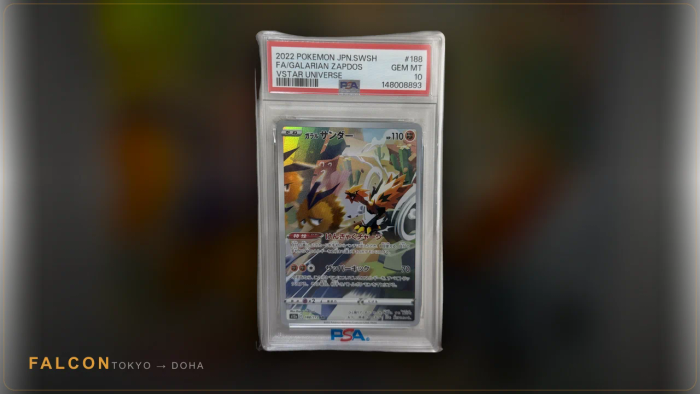
Fake Pokemon cards are not a rumor and they are not rare. As Japanese Pokemon cards have grown into a genuine collectible market, the people who make counterfeits have grown more organized, more patient, and more convincing. For a collector in Qatar buying from overseas, that reality can feel intimidating, because you usually cannot hold a card before you commit to it. This guide exists to remove that fear by replacing it with method. It is deliberately long, because learning to tell real from fake is not about memorizing a single secret trick. It is about understanding how cards are made, how counterfeiters cut corners, and which checks actually give you reliable answers. Read it once slowly, keep it as a reference, and you will approach every purchase with the calm confidence of someone who knows exactly what to look for and what to ignore.
Why fake Japanese Pokemon cards exist at all
Counterfeits appear wherever three conditions meet: a product is valuable, it is desirable enough that many people want it, and it is small and simple enough to copy. Japanese Pokemon cards check all three boxes. A single sought-after card can sell for the price of a good phone, millions of people around the world want the popular ones, and a card is a thin piece of printed cardboard that looks, at a glance, easy to reproduce. That combination is exactly what draws counterfeiters, and it explains why fakes have followed the hobby into every corner of the market, from open marketplaces to private messages.
It helps to understand the economics from the counterfeiter point of view, because it tells you where the danger is concentrated. Making a convincing fake takes effort, so counterfeiters focus that effort where the payoff is largest. That means the most faked cards are usually the famous, expensive, iconic ones, the cards everyone recognizes and many people chase. A common card worth a small amount is rarely worth faking, while a legendary chase card worth a large amount is a natural target. Knowing this lets you scale your caution: the higher the price and the more famous the card, the more carefully you should verify.
Printing and manufacturing technology has also improved everywhere, and counterfeiters benefit from that just as legitimate printers do. The crude fakes of years past, with obviously wrong colors and blurry text, still exist, but the market now also contains far more careful reproductions that can fool a casual buyer. This is not a reason to panic. It is a reason to rely on method rather than instinct. A fake can be made to look right in a single photograph, but it is very hard to make it pass every independent check at once, which is why this guide teaches you to stack several checks together rather than trust any one of them alone.
Finally, understand that most sellers are honest. The existence of fakes does not mean the market is a minefield where every card is suspect. It means you should have a reliable process, apply it consistently, and be willing to walk away when a deal cannot survive that process. The goal of this guide is not to make you distrust everyone. It is to give you a repeatable way to separate the trustworthy from the doubtful, so that you can buy with confidence and enjoy the hobby instead of fearing it.
The main types of fakes you will actually encounter
Counterfeiting is not one problem, it is several different problems that happen to share a label. Each type is made differently, targets a different kind of buyer, and is caught by a different check. If you learn to name them, you will stop treating every worry as the same vague fear and start matching each risk to the right defense. Below are the categories you are most likely to meet as a collector of Japanese cards.
Reprints and outright counterfeits
A reprint, in the counterfeit sense, is a card that has been printed to imitate a genuine card and sold as if it were real. These range from laughably bad to genuinely careful. The worst have wrong colors, fuzzy text, and card backs that do not match the real thing. The better ones get the front picture close but stumble on the details that are hard to copy: the exact texture of a holographic pattern, the fineness of the printed dots, the feel and weight of the cardboard, or the precise fonts and spacing. Reprints are the classic fake, and most of this guide is about catching them.
Proxies sold dishonestly
A proxy is a stand-in card, often made by fans to play with or to fill a binder slot without owning the expensive original. Proxies are not inherently bad, and many are clearly labeled as replicas. The problem appears when a proxy is sold as if it were genuine. A proxy that is honestly described is harmless. A proxy passed off as real is simply a fake by another name, and it is caught by the same print, texture, and material checks used for any counterfeit.
Resealed packs and boxes
Resealing targets sealed products rather than single cards. Someone opens a booster pack or box, searches or swaps the contents, then rewraps the item so it looks factory fresh. Because the appeal of sealed product is that the contents are untouched, a reseal attacks the very thing you are paying for. This category is caught by studying the wrap, the weight, and the packaging details rather than the card itself, which is why we give sealed products their own section later.
Counterfeit slabs (fake graded cases)
A slab is the sealed plastic case a grading company uses to protect and label a graded card. A counterfeit slab is a fake case built to look like a real one, complete with an imitation label and grade. Inside might be a genuine but overgraded card, a completely fake card, or a real card that does not deserve the grade shown. Fake slabs are dangerous because the case is meant to represent trust, so a convincing case can lower a buyer guard. They are caught primarily by verifying the certification number against the grading company own records.
Swaps (a real slab reopened and refilled)
A swap is the most sophisticated attack on graded cards. A genuine slab is carefully opened, the real card is removed and replaced with a lesser or fake card, and the case is resealed to look untouched. Because the label and case may be entirely genuine, a certification lookup can even appear to match. The defense is to inspect the case for any sign of tampering, reglued seams, or subtle differences, and to compare the card inside against the reference photo that the grading company holds on file for that certification number.
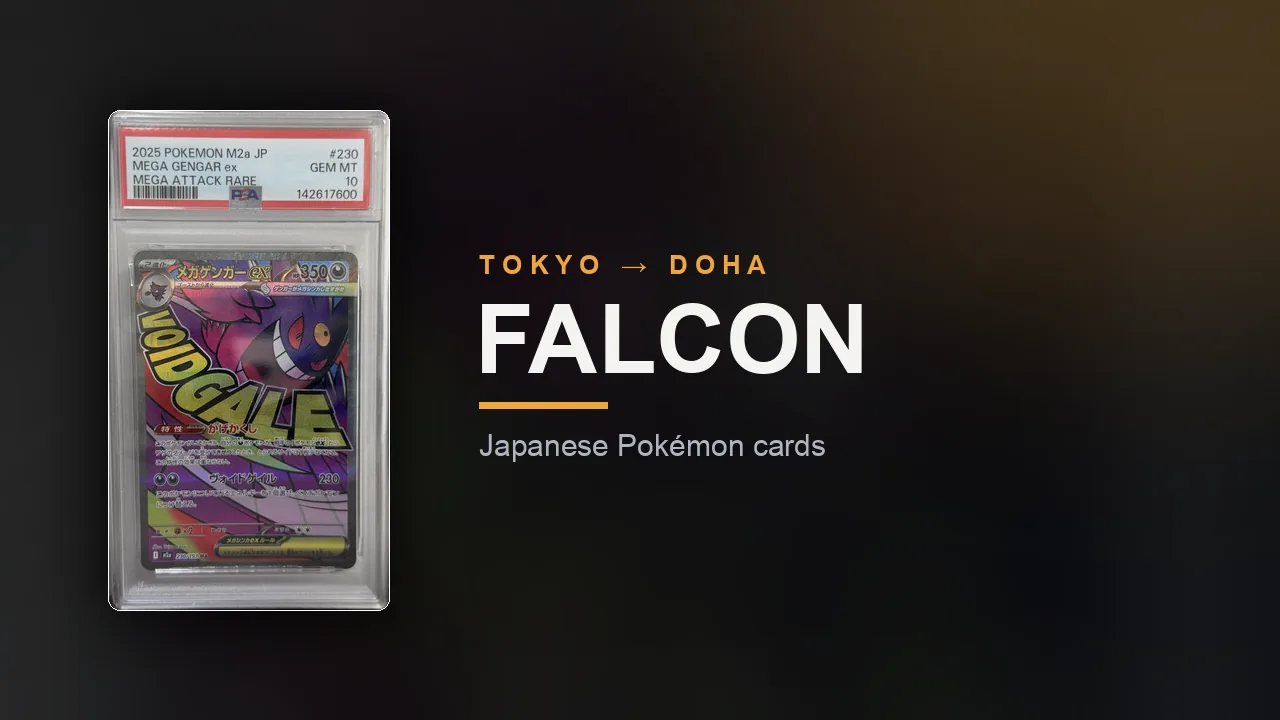
How verification actually works: stacking independent checks
The single most useful habit in authentication is to stop looking for one perfect test and start stacking several imperfect ones. Every individual check has a weakness. A photo can be faked, a font can be copied, a weight can occasionally fall within range by accident. But a counterfeiter has to get every detail right at the same time to survive a stacked process, and that is extremely hard. When five independent checks all agree, the odds that a fake slipped through all of them shrink dramatically.
Think of it like a series of gates. A card that is genuine passes through each gate naturally, because it really is what it claims to be. A fake might squeak through one or two gates by luck or effort, but each additional gate is another chance to catch it. Your job as a buyer is not to be a forensic expert on any single point. It is to run enough independent gates that a fake has nowhere left to hide.
The checks that follow are ordered roughly from the strongest and easiest to the more specialized. For a graded card, certification lookup is the heavyweight, because it ties the physical object to an independent record you can verify yourself. For a raw card, the combination of print quality, holographic texture, material feel, and the light test together does the heavy lifting. You do not need to run every check on every card. You scale the effort to the price and the fame of the card, running more gates as the stakes rise.
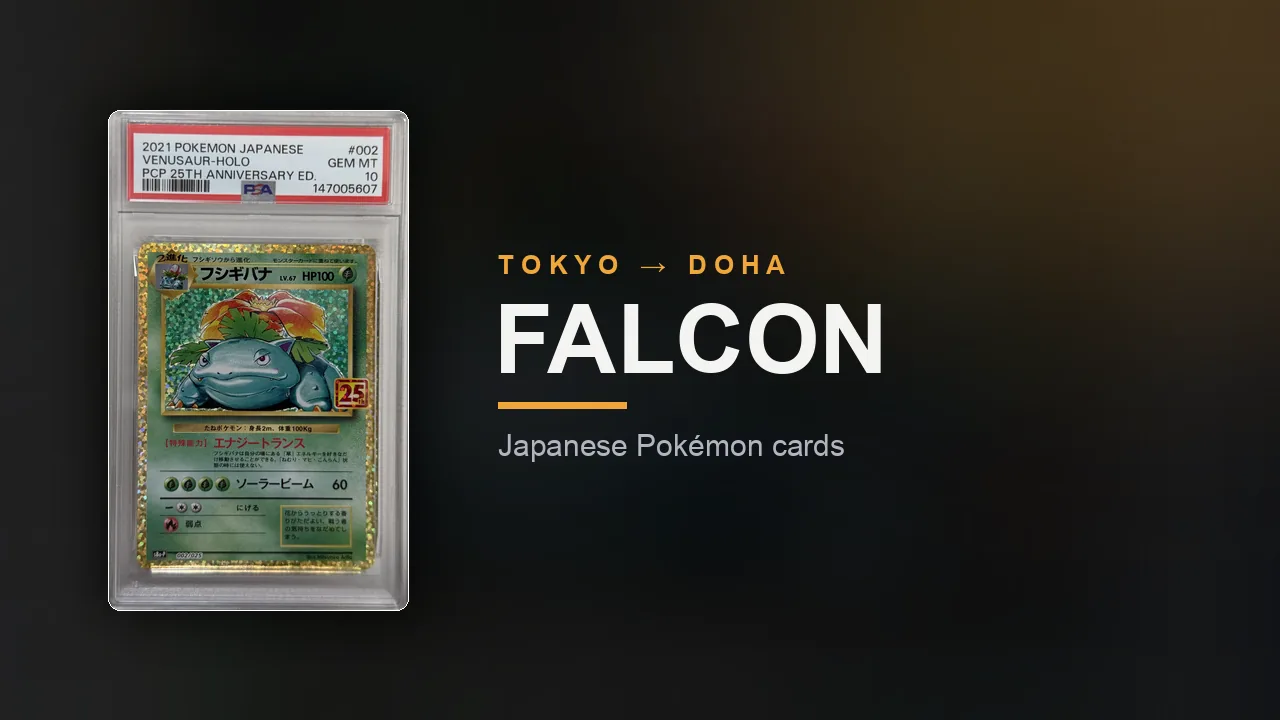
Certification lookup: the strongest check for graded cards
When a card is professionally graded, it is sealed in a slab and given a unique certification number, printed on the label. That number is the key to the single strongest check available to a buyer. Grading companies maintain public lookup systems where you enter the certification number and see the record they hold: the card name, the set, the grade, and very often a reference photograph of the exact card as it was when they sealed it. The whole point is that the physical slab in front of you should agree with that independent record.
The reasoning is simple and powerful. A grading company database was created before you ever saw the card, cannot be edited by the seller, and exists specifically to be checked. If you enter the number and the record matches the card in name, set, grade, and appearance, you have strong, independent confirmation. If the number does not exist in the system, that is a serious red flag. If the number exists but the record describes a different card, or the reference photo shows different centering, different flaws, or a different look, treat that as a warning that something is wrong, most likely a fake slab or a swap.
How to run the check properly
- Ask the seller for a clear, in focus photo of the actual slab label showing the full certification number. A genuine graded card has no reason to hide this.
- Enter that certification number into the grading company official lookup system yourself, rather than trusting a screenshot the seller provides.
- Confirm the card name, set, and grade in the record match the card you are being offered.
- Compare the reference photo on file, when one exists, against the actual card. Look at centering, any visible flaws, and the overall look, not just the name.
- Inspect the slab itself for tampering: cracks, pried edges, reglued seams, or a label that looks reprinted or misaligned.
Two cautions keep this check honest. First, a matching number does not by itself defeat a swap, because the original slab and label may be genuine while the card inside has been changed. That is why the reference photo comparison and the tampering inspection matter so much alongside the number. Second, never accept a certification number without seeing the card and slab together in clear photos of the actual item. A number attached to stock images or borrowed photos proves nothing about the object you would actually receive.
Holographic patterns and surface texture
Holographic and textured cards are among the hardest things for a counterfeiter to reproduce, which makes them among the most useful things for a buyer to examine. Genuine Japanese Pokemon cards use specific holographic patterns and, on many modern rare cards, a physical texture pressed into the surface. These effects are created with real manufacturing processes that are difficult and expensive to imitate precisely, so fakes often get them subtly, or badly, wrong.
A genuine holo pattern behaves in a predictable, consistent way as you tilt the card under a light. The shimmer moves smoothly, the pattern is even, and the effect feels integrated with the artwork rather than pasted on top of it. Counterfeit holo effects often look flat, overly mirror like, coarse, or oddly patchy. Sometimes the holo appears in the wrong area of the card, or the pattern does not match what genuine copies of that card are known to show. If a holo looks either dull and lifeless or unnaturally intense and glittery compared to a known genuine example, treat that as a meaningful warning sign.
Texture is an even stronger tell for the modern cards that have it. Many contemporary Japanese rare cards have a tactile pattern you can feel with a fingertip, following the lines of the artwork or a particular design. This physical texture is hard to fake, so a card that should have texture but feels completely smooth, or one whose texture feels wrong, generic, or in the wrong places, deserves close scrutiny. When you are unsure, comparing against a known genuine copy of the same card, or asking the seller for magnified and angled photos that show the holo and texture clearly, resolves most doubts.

One practical note for buying online: because holo and texture are so revealing, a seller who is willing to provide angled photos or a short video showing the card tilting under light is giving you a valuable authentication tool. A seller who refuses, or who only ever offers a single flat, head on image, is withholding exactly the evidence that would help most. That refusal is itself a signal worth weighing.
Fonts, printing, and fine detail
Printing is where careful fakes most often reveal themselves, because genuine cards are produced to a consistent, high standard that is surprisingly hard to match at small scale. The two things to study are the fonts and the print resolution. Genuine Japanese Pokemon cards use specific typefaces, sizes, and spacing for the card name, the numbers, and the small text. Counterfeits frequently get these slightly wrong: letters that are a touch too thick or thin, spacing that is a little off, characters shaped not quite right, or text that sits in a marginally wrong position. Individually these are subtle, but next to a genuine card they can jump out.
Print resolution is the other major tell, and it is best seen with magnification. Genuine cards are printed with fine, tightly controlled dot patterns that look crisp and smooth to the eye. Many fakes are printed at lower quality, so under a magnifier or a strong zoomed in photo the image breaks down into coarse dots, fuzzy edges, or a rosette pattern that looks rougher than the real thing. Small text is especially revealing: on a genuine card, tiny lettering stays sharp and legible under magnification, while on a fake it often smears, blurs, or loses definition.
The card back deserves the same attention as the front, and it is frequently overlooked by counterfeiters. The colors, patterns, and fine details of a genuine Japanese card back are consistent and specific. A back with slightly wrong color tones, a pattern that looks off, or fuzzy detail is a strong warning even when the front looks convincing, because counterfeiters often pour their effort into the front and neglect the back. Comparing the back of a questionable card against a known genuine back is one of the quickest and most reliable checks you can perform.

Weight, material, and how a real card feels
Genuine Pokemon cards are made from a specific cardstock with a particular thickness, stiffness, and weight, and this physical character is difficult for counterfeiters to reproduce exactly. Real cards use a layered construction that includes a thin inner layer, which gives them a consistent feel and a characteristic response to light that we discuss in the next section. Fakes are often printed on paper or card that is too thin, too thick, too flimsy, or too glossy, and once you have handled genuine cards, a wrong material can feel obviously off even before you look closely.
Weight can be measured, and for higher value cards it is a reasonable check when you have the card in hand, though it is not something a remote buyer can usually do before purchase. Genuine cards of a given type fall within a narrow, consistent weight range. A card that is clearly lighter or heavier than a known genuine example of the same card is suspicious. That said, weight is a supporting check rather than a decisive one, because the acceptable range has some width and a determined counterfeiter can sometimes land inside it. Use weight to add confidence, not to settle the question alone.
The general feel of the card ties these points together. Genuine cards have a certain firmness and flex, they bend and spring back in a familiar way, and their surface has a specific finish. A card that feels unusually stiff, unusually floppy, too slick, or too rough is telling you something. None of this replaces the print, holo, and certification checks, but for a buyer holding a card, the tactile impression is a fast, honest first filter that often flags a problem before any careful inspection begins.
For a remote buyer who cannot handle the card before paying, the material checks translate into a simple demand: ask the seller to describe the card in hand and, ideally, to show it in a short video where you can see it flex and catch the light. A seller who has the physical card can answer these requests easily, while a seller working from borrowed images cannot. This is one more reason that insisting on evidence of the actual item, rather than accepting reassurances, quietly rules out a large share of problems before they reach your door. The material of a card is one of its most stubborn honest signals, and a counterfeiter who nails the artwork can still be undone by cardstock that feels wrong in a way no photograph fully hides.
The light test: holding a card up to a bright light
The light test is a simple, non destructive check that takes advantage of how genuine cards are built. Because authentic Pokemon cards include a thin inner layer within their construction, they block light in a consistent way. When you hold a genuine card up to a bright light source, it does not glow through evenly like a plain piece of paper. Many fakes, printed on ordinary card or paper without that inner layer, let noticeably more light pass through, so they look brighter or more translucent when backlit.
To perform the test, hold the card between your eye and a strong, even light and observe how much light comes through and how uniform it looks. The most useful version of this test is comparative: hold a card you know is genuine next to the one in question under the same light, and look for a clear difference in how they transmit light. A questionable card that lets through much more light than a known genuine card is a strong warning. This test is especially handy for raw cards, and it requires nothing more than a bright light and, ideally, a genuine card to compare against.
Keep two limits in mind. First, the light test works best as a comparison, because judging translucency in isolation is unreliable without a genuine reference. Second, it is not infallible on its own, since some materials can be chosen to imitate the effect. As with every check in this guide, the light test earns its value as one gate among several, not as a lone verdict. When it agrees with the print, holo, material, and certification checks, your confidence should be high. When it disagrees with them, slow down and investigate further.
Why we do not recommend the rip test
You will sometimes read that the surest way to expose a fake is the rip test: tearing a card to see whether it has the thin inner layer that genuine cards contain. It is true that many genuine cards reveal a dark inner layer when torn, and that some crude fakes do not. But we do not recommend the rip test, and it is important to understand why, because the advice to avoid it is not squeamishness. It is sound reasoning.
The obvious problem is that the rip test destroys the card. If the card is genuine, you have ruined something valuable to prove a point you could have established through non destructive checks. If the card is fake, you have destroyed the very evidence you would need to seek a refund, report the seller, or resolve a dispute. Either way you are worse off. A test that permanently damages the object it is testing is a poor tool for a buyer who wants to make a confident purchase and keep what they buy.
There is a subtler problem too. The inner layer that the rip test looks for is not a guarantee on its own. More careful counterfeits can include a dark inner layer specifically to pass this test, so a torn card that shows an inner layer is not automatically genuine. This means the rip test can be both destructive and misleading, which is the worst combination for an authentication method. Every reliable signal the rip test aims at, from the inner layer to the material, can be assessed far better through the light test, the material feel, the print inspection, and certification lookup, none of which harm the card. Keep the card intact, run the non destructive checks, and you lose nothing while gaining more trustworthy answers.
Danger signs: when to slow down or walk away
Many bad purchases are avoided not at the moment of inspecting a card, but earlier, at the moment of noticing that something about the deal or the seller does not add up. Counterfeiters and dishonest sellers tend to repeat the same patterns, and once you can name those patterns you will spot them quickly. The following signs do not each prove fraud on their own, but every one of them is a reason to slow down, ask more questions, and demand better evidence before any money moves.
- A price far below the going rate. Genuine sellers rarely give away valuable cards, and a price that seems too good to be true usually is. Steep discounts on famous, expensive cards are a classic bait for fakes.
- No photos of the actual card. Stock images, borrowed pictures, or vague product shots hide the real item. You should always see clear photos of the exact card and, if graded, the exact slab and its certification number.
- Images that appear to be reused from other listings or marketplaces, sometimes still showing another site watermark or a different currency. Reused or watermarked images suggest the seller does not physically have the card they claim to be selling.
- Pressure and urgency. Claims that other buyers are waiting, that the price rises tonight, or that you must decide immediately are designed to stop you from checking. Genuine sellers can wait for you to do your homework.
- No secure or protected payment path. A seller who insists on irreversible, unprotected payment methods and refuses any form of buyer protection or escrow is removing your ability to recover money if the deal goes wrong.
- Evasive answers. A seller who will not provide the certification number, refuses angled or magnified photos, or grows defensive when asked normal verification questions is telling you something with that reluctance.
- Details that do not match. A certification number that fails to look up, a reference photo that does not match the card, a set or grade that is inconsistent between the description and the images: any mismatch deserves a full stop until it is explained.
The healthiest mindset is that walking away costs you nothing but a card you were never sure of, while pushing ahead through obvious warning signs can cost you the whole purchase price with little recourse. There will always be another card. A deal that cannot survive normal questions and normal verification is not a deal worth saving.
A safe buying process, step by step
Authentication is most powerful when it is a routine rather than a scramble. If you follow the same ordered process on every meaningful purchase, you will not have to remember what to check under pressure, and you will not skip a step because you were excited. The process below is written to be run in order, from establishing trust in the seller through to keeping records after the card arrives.
- Start with the seller, not the card. Look for a clear identity, a track record, verifiable history, and how they handle authentication questions. A trustworthy seller makes verification easy.
- Insist on photos of the actual item. Require clear, in focus images of the exact card, including the back, and for graded cards the exact slab and its full certification number. Refuse stock or borrowed images.
- Run the certification lookup yourself for graded cards. Enter the number in the official system, confirm the record matches, and compare any reference photo against the card.
- Inspect the card evidence. Study the print quality, fonts, holo, and texture in the photos, and ask for angled or magnified shots or a short video where the stakes justify it.
- Sanity check the price against the going market rate. A price far below normal is a reason for more caution, not less.
- Confirm a protected payment path. Use a payment method or platform that offers buyer protection, and keep every message and receipt.
- Inspect on arrival and keep records. When the card arrives, run the hands on checks, compare it to the photos you were shown, and retain all documentation in case you need to raise a dispute.
None of these steps is difficult, and together they turn buying from an act of hope into an act of judgment. The order matters because it front loads the cheapest, most powerful checks: vetting the seller and running a certification lookup costs you almost nothing and eliminates most risk before you ever pay. By the time you reach the payment step, you should already be confident, and the protected payment path is simply your safety net rather than your only defense.
Sealed products and booster boxes: a different kind of check
Sealed products need their own approach, because the thing you are verifying is not a single card but the promise that the packaging has never been opened. With sealed booster packs, booster boxes, and set boxes, the two risks are a completely counterfeit product and a resealed one, an item that was genuinely opened, searched or swapped, and then rewrapped to look factory fresh. The card level checks in this guide do not apply directly, so you focus instead on the wrap, the weight, and the packaging details.
The factory shrink wrap
The original factory wrap is the primary evidence that a sealed item is untouched, so it deserves close study. Genuine factory shrink has a particular tightness, a specific way it folds and seals at the corners and edges, and a consistent finish. Resealed products often reveal themselves through wrap that is too loose or too baggy, seams that are in the wrong place or look hand sealed, folds that do not match the factory pattern, or a film that feels thicker, cloudier, or different in texture from genuine shrink. Any wrap that looks reapplied rather than machine applied is a serious warning.
Weight and feel
Sealed products of a given type have a consistent weight, because they contain a fixed set of contents. A booster box that is noticeably lighter or heavier than a known genuine example of the same product is a warning sign, since altered contents change the weight. As with single cards, weight is a supporting check rather than a lone verdict, but combined with a careful look at the wrap it becomes a strong indicator.
Printing, codes, and packaging details
The packaging itself carries the same printing quality standards as the cards. Genuine boxes and packs have crisp printing, correct colors, and consistent fonts, alongside manufacturing details such as printed codes and markings that appear in the right place and the right style. Fuzzy printing, wrong colors, misaligned artwork, or codes and markings that look off are all reasons for caution. Comparing a questionable sealed item against images of a known genuine product, feature by feature, is one of the most effective checks available.

How FALCON works to keep fakes out
A guide like this is more useful when you know how the seller you are considering actually applies it. At FALCON, authentication is not a slogan, it is a set of concrete steps built into how we source and ship every card. We are based in Japan, the origin market for these cards, and every item passes through our own hands in Tokyo before it travels to a customer in Qatar. That physical control is the foundation everything else is built on.
For graded cards, we verify the certification number against the grading company records and confirm that the card in the slab matches the reference on file, rather than relying on the label alone. For raw cards, we inspect print quality, holographic patterns, texture, and material in hand before an item is listed. Because we hold every card physically, the photographs on our listings are of the actual item you will receive, not stock or borrowed images, which removes one of the most common ways fakes are disguised online.

We are an independent reseller, not a manufacturer and not an official channel of any card publisher. What we offer is diligence and transparency: real photos of real items, certification checks you can repeat yourself, and a clear description of what each card is and how fresh any pricing information is. We would rather decline to list a card we cannot verify than pass uncertainty on to a customer. Our aim is to make the safe buying process in this guide easy to follow, because most of it is already done before you see the listing.
When you are still unsure: experts and grading
Even with a careful process, you will sometimes reach a card you simply cannot resolve on your own, and that is normal. Authentication has a limit for every non specialist, and reaching that limit is not a failure. It is a sign to bring in more expertise rather than to guess. There are two good paths when doubt remains, and they are not mutually exclusive.
The first is to consult experienced collectors or specialists who handle these cards regularly. People who have examined many genuine examples of a specific card develop an eye for the small details that are hard to describe but easy to recognize, and a second opinion from someone with that experience can settle a question quickly. Reputable dealers and knowledgeable community members are often willing to look at clear photos and share an honest impression, and their perspective can confirm your own checks or flag something you missed.
The second path is professional grading. Submitting a raw card to a grading company means the card is authenticated and assessed by specialists using controlled processes, and if it is genuine it returns sealed in a slab with a certification number you and any future buyer can verify. Grading costs money and takes time, so it makes the most sense for valuable cards where the certainty is worth the cost. For a buyer, a card that is already graded by a reputable company, with a certification number that checks out and a slab that shows no tampering, has effectively passed this expert step already, which is a large part of why graded cards carry the confidence they do.
The unifying principle is that there is no shame in escalating a doubt. The costly mistakes in this hobby come from buyers who pushed ahead despite uncertainty, not from buyers who paused to ask an expert or chose the security of a graded card. When the stakes are high and your own checks leave a question unanswered, spending a little time or money to resolve it is almost always the cheaper choice.
It is worth being honest about the limits of a second opinion as well, so that you use it wisely. A stranger judging a card from a few photographs can only tell you so much, and an opinion is not the same as a certification you can independently verify. Treat community feedback as valuable guidance that sharpens your own judgment rather than as a final ruling, and weight it by the experience of the person giving it and the quality of the images they saw. When a doubt is large enough that a wrong answer would genuinely hurt, professional grading remains the more durable resolution, because it ends with a verifiable record rather than an impression, and that record travels with the card to every future owner.
Building your own authentication habits over time
Everything in this guide becomes easier and faster with practice, because authentication is ultimately a skill of familiarity. The more genuine cards you handle and study, the more quickly a fake stands out, in the same way that people who handle real currency every day notice a counterfeit note without consciously running a checklist. You are training your eye and your hands, and that training compounds over time.
A practical way to build that familiarity is to make comparison a habit. Whenever you have a genuine card, especially a graded one you trust, treat it as a reference and study it: how the holo moves, how the print looks under magnification, how the back is colored, how it transmits light, how it feels in the hand. The more reference points you store, the sharper your instinct becomes for when something is subtly off, which is often the earliest signal that a card deserves a closer look.
It also helps to stay curious and connected. Counterfeiting techniques evolve, and the collector community is usually the fastest place to learn about new fakes and the checks that catch them. Reading how others spotted a particular fake, following discussions about specific counterfeited cards, and asking questions when you are unsure all add to your working knowledge. None of this requires you to become an expert. It simply means treating authentication as a habit you refine, rather than a one time lesson, and that steady improvement is what turns buying from a source of anxiety into a source of confidence.
Important disclaimer and how to use this guide
This guide is educational information to help you make more informed decisions, and it is not a definitive authentication service or a guarantee of any kind. The checks described here reduce risk and catch a large share of fakes, but no set of checks can promise certainty on every card, and counterfeiting methods change over time. We describe how to think about authentication, not how to render a final verdict, and we do not offer categorical assurances that any particular card is genuine based on this guide alone.
The final judgment on any purchase is always yours. Use the process here to gather evidence, apply the checks that fit the value and fame of the card, and escalate to experts or professional grading when doubt remains. When the stakes are high enough that a mistake would matter to you, prefer graded cards whose certification you can verify, seek independent expert opinions, and never let urgency override your own careful assessment. Treat every price figure you encounter as a snapshot at a moment in time rather than a fixed truth, since the market moves.
A word on who we are. FALCON is an independent reseller of Japanese Pokemon cards. We are not affiliated with, endorsed by, or an official channel of The Pokemon Company, Nintendo, or any card publisher or grading company. Names of grading companies and products are referred to only to explain how authentication works. Our role is to source, verify to the best of our ability, and ship genuine cards with honest, transparent descriptions, and to give you the tools in guides like this to verify independently. That independence is exactly why we encourage you to repeat these checks yourself rather than take any claim, including ours, purely on trust.
Frequently asked questions
What is the single most reliable way to check if a graded card is real?
For a graded card, verifying the certification number is the strongest single check. Enter the number printed on the slab into the grading company official lookup system yourself, and confirm the card name, set, grade, and any reference photo match the card you are being offered. Pair this with a tampering inspection of the slab and a comparison of the card inside against the reference image, because a genuine number can sometimes be printed on a fake slab or attached to a swapped card. No single check is absolute, but certification lookup combined with those comparisons is the most powerful tool a buyer has.
Can I tell if a raw card is fake just from photographs?
Often yes, if the photographs are good. Clear, in focus images of the front and back, plus angled shots that show how the holo and texture behave under light, and magnified shots of the printing, let you check most of what matters: fonts, print resolution, holo pattern, texture, and card back details. What photos cannot show is weight, material feel, and the light test, which require the card in hand. This is why a seller willing to provide detailed, angled, and magnified photos of the actual item is giving you real authentication value, while a seller offering only a single flat image is withholding it.
Why do you recommend against the rip test?
The rip test tears a card to reveal the inner layer that genuine cards contain, but we advise against it for two reasons. First, it destroys the card: if the card is genuine you have ruined something valuable, and if it is fake you have destroyed the evidence you would need to seek a refund or report the seller. Second, it is not even reliable, because careful counterfeits can be built with a dark inner layer specifically to pass this test. Every signal the rip test aims at can be assessed better through non destructive checks like the light test, the material feel, print inspection, and certification lookup, none of which harm the card.
A card is priced far below the market rate. Is it definitely fake?
Not definitely, but a price far below the going rate is a classic warning sign that deserves extra caution rather than excitement. Genuine sellers rarely give away valuable cards, and steep discounts on famous, expensive cards are a common lure for counterfeits. Occasionally there is an innocent explanation, such as a seller who needs a quick sale, but you should treat a suspiciously low price as a reason to run every check more thoroughly, insist on photos of the actual item, verify any certification number, and use a protected payment path. If the deal cannot survive that scrutiny, walk away.
What is the difference between a fake slab and a swap?
A fake slab is a counterfeit case built to imitate a genuine graded case, complete with an imitation label and grade, which may contain a fake card or a genuine but overgraded one. A swap is more sophisticated: a genuine slab is carefully opened, the real card is removed and replaced with a lesser or fake card, and the case is resealed. A fake slab is often caught because its certification number fails to look up or its label looks wrong. A swap is harder, because the case and number may be genuine, so it is caught by inspecting the case for tampering and comparing the card inside against the grading company reference photo.
How do I check a sealed booster box or pack for authenticity?
Sealed products are checked differently from single cards, because you are verifying that the packaging has never been opened. Study the factory shrink wrap for the correct tightness, seam placement, and finish, since resealed items often have loose, baggy, or hand sealed wrap. Compare the weight against a known genuine example of the same product, as altered contents change the weight. Examine the packaging printing, colors, fonts, and any codes or markings for the same quality as the cards themselves. And be wary of any pack or box that shows signs of being weighed or handled to detect heavier cards, as reputable sellers do not tamper with sealed product.
Does a matching certification number guarantee the card is genuine?
No, a matching number is strong evidence but not an absolute guarantee, which is a crucial point. A genuine certification number can be printed on a counterfeit slab, and in a swap the original genuine slab and label may be reused around a replaced card, so the number still looks up correctly. That is why you should always pair the number lookup with two more steps: compare the reference photo the grading company holds on file against the actual card, looking at centering and flaws rather than just the name, and inspect the slab for any sign of tampering. The number plus these comparisons together give you real confidence.
What should I do if I am not confident about a card even after checking?
Escalate rather than guess. There are two good options. You can seek a second opinion from experienced collectors or reputable dealers who handle these cards regularly, since people who have examined many genuine copies of a specific card can often recognize small details quickly. Or you can rely on professional grading: a card already graded by a reputable company, with a certification number that checks out and a slab with no tampering, has effectively passed an expert authentication step. The costly mistakes in this hobby come from buyers who pushed ahead despite doubt, so pausing to consult an expert or choosing a verifiable graded card is almost always the cheaper choice.
Is FALCON an official Pokemon or Nintendo seller?
No. FALCON is an independent reseller of Japanese Pokemon cards and is not affiliated with, endorsed by, or an official channel of The Pokemon Company, Nintendo, or any card publisher or grading company. We source cards in Japan, inspect and verify them to the best of our ability in our Tokyo office, and ship them to customers in Qatar with honest, transparent descriptions and photos of the actual item you will receive. We reference grading companies and products only to explain how authentication works. Because we are independent, we encourage you to repeat the verification checks in this guide yourself rather than take any claim purely on trust.
Are expensive, famous cards more likely to be faked than common ones?
Yes, and understanding this helps you focus your caution where it counts. Counterfeiting takes effort, so counterfeiters concentrate on cards where the payoff is largest, which means the most faked cards are usually the famous, expensive, iconic ones that many people want. A common card worth a small amount is rarely worth faking, while a legendary chase card can be a natural target. The practical lesson is to scale your verification to the price and the fame of the card: run a quick sanity check on inexpensive commons, and apply every check in this guide to any card that is both valuable and well known.