PSA 10 vs Raw Japanese Pokemon Singles: Which Should You Buy in Qatar?
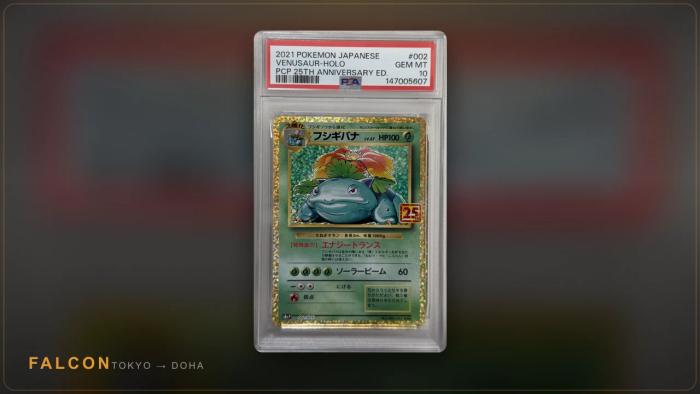
If you collect or invest in Japanese Pokemon singles from Qatar, one decision shapes almost everything else: do you buy a PSA 10 graded card or an equivalent raw card? A PSA 10 is a card that Professional Sports Authenticator has authenticated and assigned its highest Gem Mint grade, sealed inside a tamper-evident slab. A raw card is simply the card itself, ungraded and unencapsulated. The difference is not only cosmetic. It changes what you actually pay for, how confidently you can verify authenticity across borders, how the card survives Doha's heat and humidity, and how easily you can resell it later. This guide walks through each factor from the perspective of a buyer importing from Japan into Qatar, so you can decide with your eyes open rather than reacting to hype. Price figures here are approximate ranges and snapshots that move over time, so treat every number as an indication to be re-confirmed at the moment of purchase, not a fixed valuation.
What PSA 10 and raw actually mean
PSA 10, often called Gem Mint, is the top grade on PSA's ten-point scale. To earn it, a card must show sharp corners, clean edges, strong centering within tolerance, and a flawless surface under inspection. The card is then encased in a sealed plastic holder with a printed label showing the card name, set, grade, and a unique certification number that can be looked up in PSA's public database. A raw card, by contrast, is loose and ungraded. Its condition is whatever the seller and the photos suggest, and its authenticity rests on your own judgment or the seller's reputation.
This distinction matters more for Japanese singles than many buyers expect. Japanese sets often print the same character across multiple rarities and reprints over the years, so two cards that look similar in a thumbnail can differ enormously in value. A slab removes ambiguity about which exact card you are holding and what condition an independent grader assigned to it.
The core trade-off in one sentence
You pay a premium for a PSA 10 in exchange for verified authenticity, a locked-in condition assessment, and easier resale, while a raw card costs less up front but shifts the burden of authentication, grading risk, and preservation onto you.
Authenticity: why it weighs more across borders
When you buy locally and can inspect a card in hand, authenticity risk is lower because you can examine texture, print lines, and edges yourself. Buying Japanese singles into Qatar usually means the card travels thousands of kilometres before you ever touch it, and by then a dispute is harder to resolve. This is exactly where a PSA slab earns its premium. The certification number lets anyone confirm, before and after shipping, that the specific card was authenticated by PSA and matches the grade on the label.
Raw cards can absolutely be genuine, and most reputable sellers deal only in authentic stock. But the raw market also carries counterfeits, trimmed cards, and cards with restoration that photos hide. For a cross-border buyer without the card in hand, that residual risk is real and worth pricing into your decision.
Condition guarantee versus condition gamble
A PSA 10 comes with an independent, third-party statement about condition. You are not relying on a seller's optimistic description or a flattering photo angle. That assessment is baked into the slab and travels with the card permanently, which is valuable when you cannot inspect corners and centering in person.
A raw card is a condition gamble in two senses. First, you are trusting the listing's condition claim without an independent check. Second, if you ever want to grade it yourself, there is no guarantee it will come back as a 10, or even close. Small flaws that are invisible in photos, such as slight edge whitening, a soft corner, or off-centre printing, can cap a card several grades below Gem Mint.
The grading lottery, quantified loosely
- Many raw cards that look clean to the naked eye still grade as PSA 8 or 9 rather than 10 once measured against strict centering and surface tolerances.
- The gap in value between a PSA 9 and a PSA 10 for a desirable Japanese single can be large, so the grade you actually receive matters as much as the card itself.
- Grading a raw card yourself adds submission fees, international shipping both ways, and weeks or months of turnaround, all before you know the outcome.
- If your goal is a guaranteed Gem Mint card today, buying an existing PSA 10 removes the lottery entirely, which is part of what the premium pays for.
Price premium: what you are really paying for
PSA 10 copies of popular Japanese singles typically sell at a clear premium over raw copies of the same card. The size of that premium varies enormously by card, set, and how scarce high grades are for that particular print. For some modern cards the premium is modest; for older or notoriously hard-to-grade cards it can be several times the raw price. These are moving figures, so always compare recent PSA 10 sales against recent raw sales for the exact same card before deciding.
To make the premium concrete without pretending it is fixed, imagine a raw Japanese single with a market range of roughly USD 40 to 60. An equivalent PSA 10 might sit anywhere from around USD 120 to 250 depending on how tough that card is to grade and how much demand there is for slabbed copies. Converted very approximately, that raw range is around QAR 145 to 220 and the PSA 10 range around QAR 440 to 910. Every one of these numbers is an illustrative snapshot to be re-confirmed at purchase, not a quote.
Liquidity and resale in the Qatar market
Liquidity means how quickly and predictably you can turn a card back into cash near its market value. PSA 10 cards tend to be more liquid because the grade is a shared, trusted reference point. A buyer anywhere can understand exactly what a PSA 10 of a given card is, which widens your pool of potential buyers and narrows the negotiation to price rather than authenticity and condition.
Raw cards can still sell well, especially cheaper cards where a slab premium would feel disproportionate, or cards a buyer intends to grade themselves. But raw resale often involves more back-and-forth over condition, more photos, and more buyer hesitation, particularly for a cross-border transaction. In a growing market like Qatar, where the collecting community is still building depth, the extra trust a slab provides can meaningfully shorten the time to sell.
When raw is the more liquid choice
- Lower-value singles where a grading premium would exceed what most buyers will pay.
- Cards bought specifically to play, display in binders, or complete a set rather than to resell.
- Cards a buyer wants to grade under their own submission, who therefore prefers raw so they capture any grading upside themselves.
Climate and storage risk in Doha
Qatar's climate is a genuine variable for cardboard collectibles. High ambient heat and seasonal humidity can, over time, encourage warping, surface haze, and edge wear on unprotected cards, and rapid swings between air-conditioned interiors and hot exteriors add condensation stress. This is a practical reason the raw-versus-slab choice is not purely financial in Qatar.
A PSA slab is a sealed, rigid enclosure that shields the card from direct humidity, handling, and dust, which reduces day-to-day condition risk once the card is in your hands. A raw card is only as protected as the sleeve, toploader, or storage box you provide, and it remains vulnerable every time it is handled or displayed loosely. Neither option is immune to a poor storage environment, but a slab lowers the margin for error.
Cross-border shipping and handling
Shipping shapes the decision from both directions. A slab is bulkier and heavier than a raw card, which can raise shipping cost and, for larger orders, affect how a parcel is handled at the border. The rigid case, however, protects the card far better in transit, so the risk of a card arriving damaged is lower. A raw card ships cheaply and compactly but depends entirely on careful packing to survive the journey uncreased and uncurled.
For a buyer in Qatar, the calmer path for higher-value cards is usually the slab, because it combines transit protection with verifiable authenticity on arrival. For lower-value cards or bulk purchases, well-packed raw cards keep costs proportionate. Always confirm packaging standards, tracking, and any applicable import handling with your seller before ordering, since these details vary by shipment.
A simple decision framework
Rather than treating this as PSA 10 good, raw bad, match the format to your goal. The right answer changes with budget, intent, and how long you plan to hold the card.
Lean toward PSA 10 when
- The card is high value and authenticity risk across borders concerns you.
- You want a guaranteed Gem Mint condition today without the grading lottery.
- Resale liquidity and a broad buyer pool matter to you.
- You want maximum protection through shipping and Doha storage.
Lean toward raw when
- The card is lower value and a slab premium would be disproportionate.
- You buy to play, display, or complete a set rather than to resell.
- You want to grade the card yourself and keep any grading upside.
- You are confident in the seller and comfortable assessing condition from detailed photos.
Many collectors end up holding both: slabbed copies of their flagship cards for authenticity and resale confidence, and raw copies for everything they simply enjoy owning. There is no single correct format, only the one that fits the specific card and your reason for buying it.
Frequently asked questions
Is a PSA 10 always worth the extra cost over a raw card?
Not always. The premium is easiest to justify for high-value cards where authenticity, guaranteed condition, and resale liquidity matter most, especially across borders into Qatar. For inexpensive singles, cards you intend to play or display, or cards you plan to grade yourself, a raw copy often makes more sense. Compare recent PSA 10 and raw sales for the exact same card, and remember those figures are moving snapshots to re-confirm at purchase.
How do I check that a PSA 10 slab is genuine before buying from abroad?
Use the certification number printed on the slab label and look it up in PSA's official public database. Confirm that the card name, set, grade, and images match the physical slab and the seller's photos. If the number does not verify or the details do not match, treat the card as unverified and do not rely on the grade.
Will a clean-looking raw card grade as a PSA 10 if I submit it?
There is no guarantee. Many raw cards that look flawless to the naked eye grade as 8 or 9 once measured against strict centering, corner, edge, and surface standards. Grading also adds fees, two-way international shipping, and weeks or months of turnaround before you learn the result. If a guaranteed Gem Mint card is your goal, buying an existing PSA 10 removes that uncertainty.
Does Qatar's heat and humidity damage graded cards too?
A sealed slab reduces day-to-day risk from humidity, handling, and dust, but it is not a climate-controlled box. Both slabs and raw cards should be kept in a cool, stable, low-humidity space, away from direct sunlight and sustained heat, ideally with desiccant. Avoid leaving any card in a hot car or near a sunny window.
Are graded cards harder or more expensive to ship to Qatar?
Slabs are bulkier and heavier, so they can cost more to ship and add weight to a parcel, but the rigid case protects the card far better in transit. Raw cards ship cheaply and compactly yet depend entirely on careful packing. Confirm packaging, tracking, and any import handling with your seller before ordering, as these details vary by shipment.
How reliable are the price ranges in this guide?
Treat every figure as an approximate range or snapshot that moves with the market and exchange rates, not a fixed valuation. QAR amounts are rough conversions to be re-confirmed. Before you commit, check the current range for the exact card, set, and grade, and add shipping, import handling, and payment fees separately.
Can I resell raw Japanese singles easily in Qatar?
Yes, particularly lower-value cards and cards a buyer wants to grade themselves. However, raw resale often involves more discussion of condition, more photos, and more buyer hesitation, especially cross-border. A verified PSA 10 tends to sell faster because the grade is a shared, trusted reference that widens your buyer pool.