PSA Grading Explained: The Complete 2026 Guide for Collectors
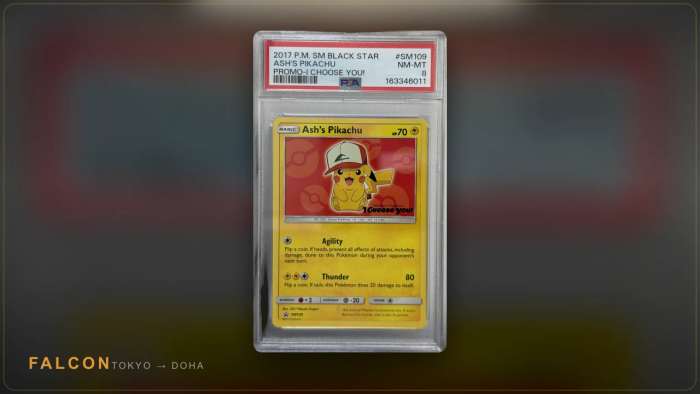
Grading is the single most misunderstood part of the Pokemon card hobby, and also one of the most important. A small number printed on a plastic slab can multiply the value of a card several times over, decide whether a buyer trusts a listing at all, and quietly shape the entire market for a given card. Yet most explanations of grading are either marketing copy or a jumble of jargon. This guide sets out to fix that. It explains, in plain language and in real depth, what PSA grading actually is, how the 1 to 10 scale works, what Gem Mint 10 truly means, how a grade is decided from centering, corners, edges and surface, and how all of that translates into the price you pay. It is written for collectors in Qatar who want to buy graded Japanese Pokemon cards with genuine confidence rather than guesswork, and it is deliberately long, because understanding grading properly is what protects your money.
What card grading actually is
Grading is the process of sending a card to an independent, professional company that authenticates it, examines its condition under controlled conditions, assigns a single agreed grade, and seals it inside a tamper-evident plastic case. That case is commonly called a slab. The point of the exercise is to turn a subjective opinion about a card into a standardized label that buyers and sellers anywhere in the world can understand and compare without ever holding the card themselves.
Before grading existed, condition was described in words, and words are slippery. One seller might call a card near mint while another would call the very same card excellent, and a buyer had no reliable way to reconcile the two. Grading replaces that ambiguity with a fixed scale applied by trained graders following consistent standards. The grade is not a matter of taste. It is an assessment of physical condition measured against defined criteria, which is exactly why the market has come to rely on it so heavily.
A grading company does two jobs at once, and both matter. The first is authentication, confirming that the card is genuine and not a counterfeit or an altered card. The second is condition assessment, judging how close the card is to a flawless example. A slab therefore tells a buyer two things in a single glance: that the card is real, and how good it is. That combination is why a graded card removes so much of the anxiety that surrounds buying valuable cards, and why graded cards dominate the higher end of the market.
It is worth being clear about what grading is not. It is not a guarantee of future value, it is not a magic stamp that makes a card worth more in some absolute sense, and it is not beyond human judgment. A grade is one reputable company assessment of one card at one moment in time, sealed so it cannot quietly change. That is genuinely valuable and worth paying for, but it is an informed opinion rendered permanent, not a law of nature. Keeping that perspective helps you treat grades as the useful tool they are rather than as an object of blind faith.
Who PSA is, and why the name carries weight
PSA stands for Professional Sports Authenticator. It began in the world of sports cards and has grown into the most widely recognized grading company across the entire trading card hobby, including Pokemon. When collectors talk about a graded card without naming a company, they very often mean a PSA graded card, simply because PSA grades are so common and so broadly understood. That recognition is not a minor detail. It is a large part of why PSA graded cards are the easiest to buy and sell at prices the whole market agrees on.
The reason recognition matters so much comes down to liquidity, which is the ease of turning a card back into money at a fair price. A card in a widely trusted slab can be sold to a huge pool of buyers who already understand what the grade means, which keeps prices consistent and transactions smooth. A card in an obscure or unfamiliar holder, however well graded, forces every buyer to stop and ask questions, and that friction tends to soften the price. PSA has become a kind of common language, and speaking the common language makes trade easier.
None of this means PSA is the only respectable option, and later in this guide we compare it fairly with the main alternatives. But for a collector who is newer to graded cards, PSA is usually the simplest starting point precisely because its grades are so widely understood. When you buy a PSA graded card, you are buying into a shared standard that a very large number of people already trust, and that shared trust is worth real money when the time comes to sell or to prove what you own.
It also helps to understand, in broad terms, what happens when a card is submitted. The card is received, logged, and authenticated, then examined by graders who assess its condition against PSA standards. A grade is decided, the card is sealed into a slab with a printed label, and a unique certification number is assigned that ties the physical case to the company records. The card is then returned to its owner. You do not need to memorize the internal steps, but knowing that a real process with authentication at its core sits behind every slab helps explain why a genuine PSA grade means something.
The PSA scale from 1 to 10
PSA grades cards on a numeric scale that runs from 1 at the bottom to 10 at the top. Each number corresponds to a described level of condition, and the scale is designed so that the same number means broadly the same thing on any card. Learning the shape of this scale is the foundation for reading any listing, because the grade is the first thing that tells you what kind of card you are looking at before you even see a photograph.
The grades and what they broadly mean
- PSA 10, Gem Mint: a card that appears essentially flawless to PSA standards, with sharp corners, clean edges, a clean surface, and centering within tight tolerances.
- PSA 9, Mint: an excellent card with only very minor imperfections that are easy to miss at a glance.
- PSA 8, Near Mint to Mint: a very nice card with slight, noticeable flaws such as minor edge or corner wear.
- PSA 7, Near Mint: an attractive card with light handling marks that are visible on close inspection.
- PSA 6, Excellent to Mint, and PSA 5, Excellent: cards with moderate wear that still present well from a normal viewing distance.
- PSA 4 down to PSA 2: cards with increasingly visible wear, such as rounded corners, surface scratches, creasing, or edge damage.
- PSA 1, Poor: a card with heavy wear or damage that is nonetheless authentic and complete enough to grade.
In practice, most of the market attention and most of the money concentrate at the top of the scale, roughly from PSA 8 upward, and especially at PSA 9 and PSA 10. This is because collectors who pay a premium for a graded card are usually seeking a card that looks close to freshly pulled, so the high grades attract the strongest demand. Lower grades still have a place, particularly for rare or vintage cards where a genuine example in any condition is desirable, but the intense competition, and the steep prices, live near the top.
You will occasionally see half grades and qualifier notes, but for the vast majority of Pokemon cards the whole numbers from 1 to 10 are what you will deal with. The most important habit is to internalize that the scale is not linear in value. The gap in condition between a 7 and an 8 might feel modest, while the gap in price between a 9 and a 10 can be enormous. We return to this price ladder in detail later, because it is one of the most financially significant ideas in the entire guide.
What Gem Mint 10 really means
PSA 10, labeled Gem Mint, sits at the very top of the practical scale, and it carries a weight in the market that deserves its own explanation. A Gem Mint 10 is a card judged to be essentially flawless against PSA standards. In broad terms that means the corners are sharp, the edges are clean and free of noticeable wear, the surface is clean without scratches or print defects that break the standard, and the centering falls within tight tolerances on both the front and the back. It is the grade reserved for cards that look, to the trained eye applying the standard, as close to perfect as a normal card realistically gets.
The crucial word is essentially. A PSA 10 is not a claim of molecular perfection, and it does not mean a microscope would find nothing at all. It means that against the defined Gem Mint standard, the card meets the bar. Two different PSA 10 copies of the same card can still differ subtly in the eye, because the grade describes meeting a threshold rather than achieving an identical, absolute state. This is why some collectors care about the specific appearance of a particular 10, even though all of them share the same top grade.
Gem Mint 10 matters so much because it is the ceiling that demand pushes against. When many collectors all want the best possible example of a popular card, and the best possible certified example is a PSA 10, that concentrated demand collides with a limited supply of tens and drives the price upward, sometimes dramatically. The difference between a PSA 9 and a PSA 10 of the same card can be several times the value, even when an untrained eye would struggle to see why. You are not only paying for a slightly nicer card; you are paying for the certified top of the scale, and for the scarcity that sits there.
For a buyer, the practical lesson is to decide honestly what you are buying a 10 for. If you want the absolute best and are comfortable paying the premium the top grade commands, a PSA 10 is the natural target. If your goal is a beautiful card to enjoy rather than the certified pinnacle, a strong PSA 9, or even a PSA 8, often delivers most of the visual quality at a far gentler price. Neither choice is wrong. What matters is understanding that the jump to 10 is frequently the most expensive step on the whole ladder, and choosing it deliberately rather than by reflex.
The four factors: centering, corners, edges and surface
A PSA grade is not decided by a single overall impression. It is built from an assessment of four specific physical factors, and understanding each one lets you read a card the way a grader does. When you can look at a photograph and evaluate centering, corners, edges and surface for yourself, you stop being at the mercy of the label and start forming your own judgment, which is exactly the skill that protects a buyer.
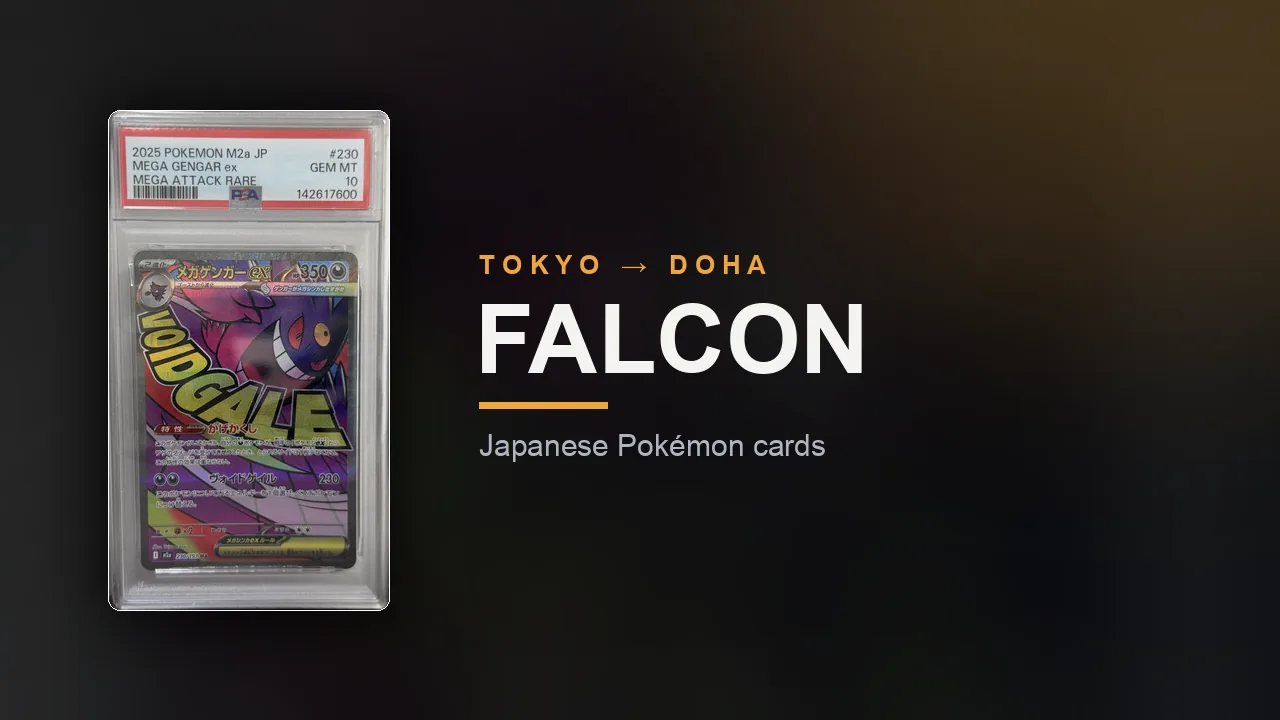
Centering
- Centering measures how evenly the printed image sits within the card borders, comparing the left border to the right and the top to the bottom.
- It is judged on both the front and the back, and the back is easy to forget but genuinely counts.
- A card that looks perfect in every other way can be held back from the top grade purely because the image is shifted noticeably to one side.
- Because centering is set at the factory when the card is cut, it is one thing you cannot improve by careful handling; it is simply luck of the print.
Corners
- Corners are examined for sharpness, since even a tiny amount of rounding or a faint white speck of wear stands out under close inspection.
- Corner wear is one of the most common reasons a card falls short of the highest grades, because corners take damage from the lightest handling.
- On a photograph, look for crisp, clean points rather than soft or frayed tips, and check all four corners individually.
Edges
- Edges are checked along all four sides for nicks, whitening, roughness, or chipping, which are especially visible on cards with dark or coloured borders.
- Edge whitening, where the white core of the card shows through along the edge, is a frequent grade-limiter on darker cards.
- Clean, unbroken edges that match the colour of the border are the sign of a strong card.
Surface
- Surface covers scratches, scuffs, print lines, indentations, staining, and the condition of any holographic or foil area.
- Holographic cards are especially prone to fine scratches and swirl marks on the shiny area, which can be hard to see except at an angle under good light.
- Print defects that come from the factory, such as small dots or lines, are also assessed here, since they affect how clean the surface appears.
- A clean, glossy, unmarked surface is essential for the top grades, and it is often the factor that separates a 9 from a 10.
The overall grade emerges from these four factors together, and a serious weakness in any one of them can cap the grade no matter how strong the others are. A card with flawless corners, edges and surface but visibly poor centering will not reach Gem Mint, and a perfectly centred card with a scratched holo will not either. When you learn to scan a photograph for all four, you gain the ability to sense whether a grade looks right, and to ask sharper questions when something seems off.
Subgrades, and how PSA differs from graders that use them
PSA generally assigns a single overall grade to a card. It does not, as a rule, print a separate score for each of the four factors on the label. The four factors are assessed internally and combined into one number, and that one number is what the market reads. This simplicity is part of why PSA grades are so easy to compare: a PSA 9 is a PSA 9, and you do not need to weigh four separate figures to understand it.
Some other companies take a different approach and print subgrades, which are individual scores for centering, corners, edges and surface shown alongside the overall grade. Subgrades appeal to collectors who want to see exactly why a card received the grade it did, and to distinguish between two cards with the same overall number but different underlying profiles. A card that is strong everywhere reads differently from a card that is near perfect in three areas but dragged down by one, even if both land on the same overall grade.
Neither approach is objectively better; they serve different tastes. The single-grade model favours simplicity, speed of comparison, and a clean label, which suits a market that values liquidity and shared understanding. The subgrade model favours transparency and detail, which suits collectors who enjoy analysing the fine structure of a card condition. When you compare cards across companies, it helps to remember that a single overall grade and a set of subgrades are describing the same underlying reality in two different styles.
For a buyer, the practical point is not to assume that a card with impressive-looking subgrades is automatically superior to a clean single grade, or the reverse. What matters is the actual condition of the card in front of you and the reputation of the company that assessed it. Use subgrades, where they exist, as extra information about a card profile, and use the overall grade as the headline. Both are tools for the same job: understanding how good the card really is before you pay.
Population reports and what they say about rarity
A population report, often shortened to pop report, is a published count of how many copies of a given card have received each grade from a grading company. It answers a question that raw scarcity cannot: not just how rare a card is in general, but how rare it is in a specific condition. That distinction is one of the most powerful ideas in the graded market, and it explains price differences that would otherwise look mysterious.
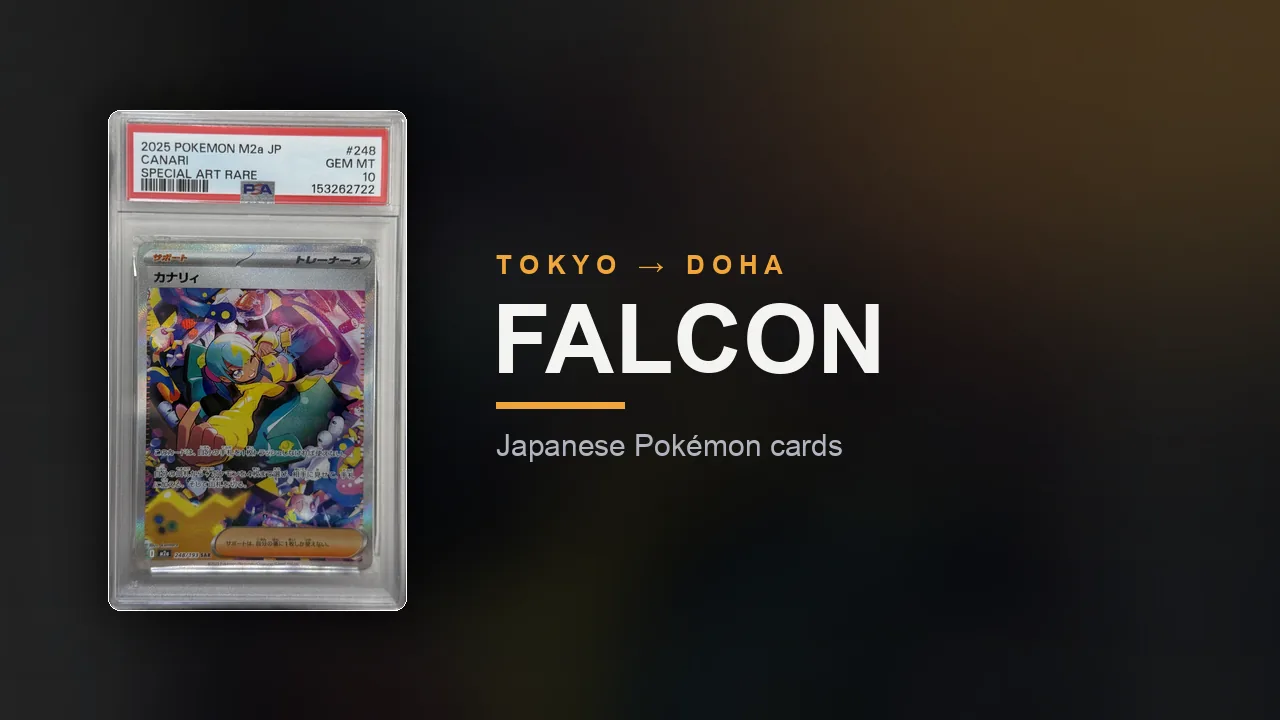
Consider two cards that both carry a PSA 10 grade. If one has only a handful of copies recorded at PSA 10 while the other has many thousands, the first is far scarcer in that top condition, and that scarcity can support a much higher premium. The grade on the label is identical, but the population behind it is completely different, and the market prices that difference. This is why experienced buyers look past the grade alone and ask how common that grade actually is for the specific card.
Population also moves over time, and it only ever grows. Every time more copies of a card are submitted and graded, the counts rise, which means a card that is scarce at the top grade today can become less scarce as more people send theirs in. This is a genuine consideration for anyone thinking about long-term value, because a low population is not a fixed fact but a snapshot that can change. It is one more reason to treat any single number, price or population alike, as a moment rather than a permanent truth.
A sensible way to use population data is as context rather than as a promise. A low population at a high grade helps explain why a card is expensive and can support its desirability, but it does not guarantee that the price will rise or even hold. Demand still has to be there, and demand can fade. Read population reports to understand why two similar-looking cards sit at very different prices, and to sharpen your sense of what is genuinely scarce, but do not treat them as a forecast. They describe the past and the present, not the future.
How a grade drives value
The most financially important idea in grading is that value does not rise smoothly with the grade. It climbs in uneven steps, and the steps are usually steepest near the top. Picture a ladder where each rung is a grade: the lower rungs sit close together, the middle rungs spread out a little, and the final rung to the top grade is often a long reach. Understanding the shape of this ladder is what lets you spend your money where it does the most good.
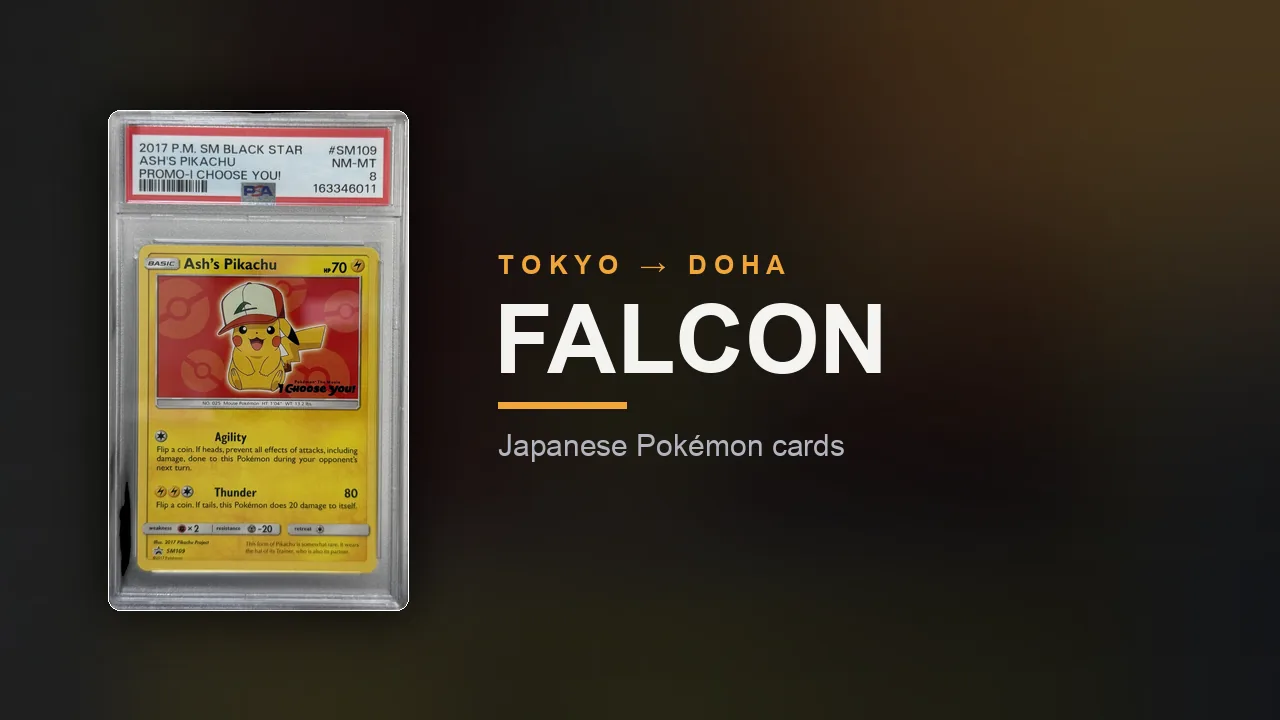
Why the top grade commands a premium
- Demand concentrates at the top, because the collectors most willing to pay want the best certified example available.
- Supply at the top is limited, since only a fraction of submitted cards earn the highest grade.
- When concentrated demand meets limited supply, price rises sharply, which is why the jump to the top grade is so often the largest.
- The visible difference between the top two grades can be subtle, yet the price difference can be several times over, because you are paying for certified scarcity, not just appearance.
This ladder has a practical implication that saves collectors a great deal of money. If your goal is to enjoy a beautiful card rather than to own the certified pinnacle, the rung just below the top frequently offers most of the visual quality for a fraction of the price of the very top grade. A strong card one step down can look nearly indistinguishable to the naked eye while costing far less, which makes it a genuinely smart choice for a collector focused on the pleasure of owning the card.
The same logic works in reverse when you are the one paying for the top grade. Going for the certified pinnacle is a legitimate choice, but it should be a conscious one, made with full awareness that you are paying a steep premium for the last rung. Ask yourself whether you are buying the card or buying the number. Both are valid answers, but knowing which one you are actually paying for is the difference between a deliberate purchase and an expensive impulse.
Reading the slab, the label, and the certification number
A graded card is only as trustworthy as your ability to read its slab, so this is one of the most practical skills a buyer can develop. The slab is the sealed plastic case, the label is the printed strip inside it, and the certification number, often called the cert number, is the unique identifier that ties the physical case to the company records. Together they carry everything you need to verify what you are looking at.
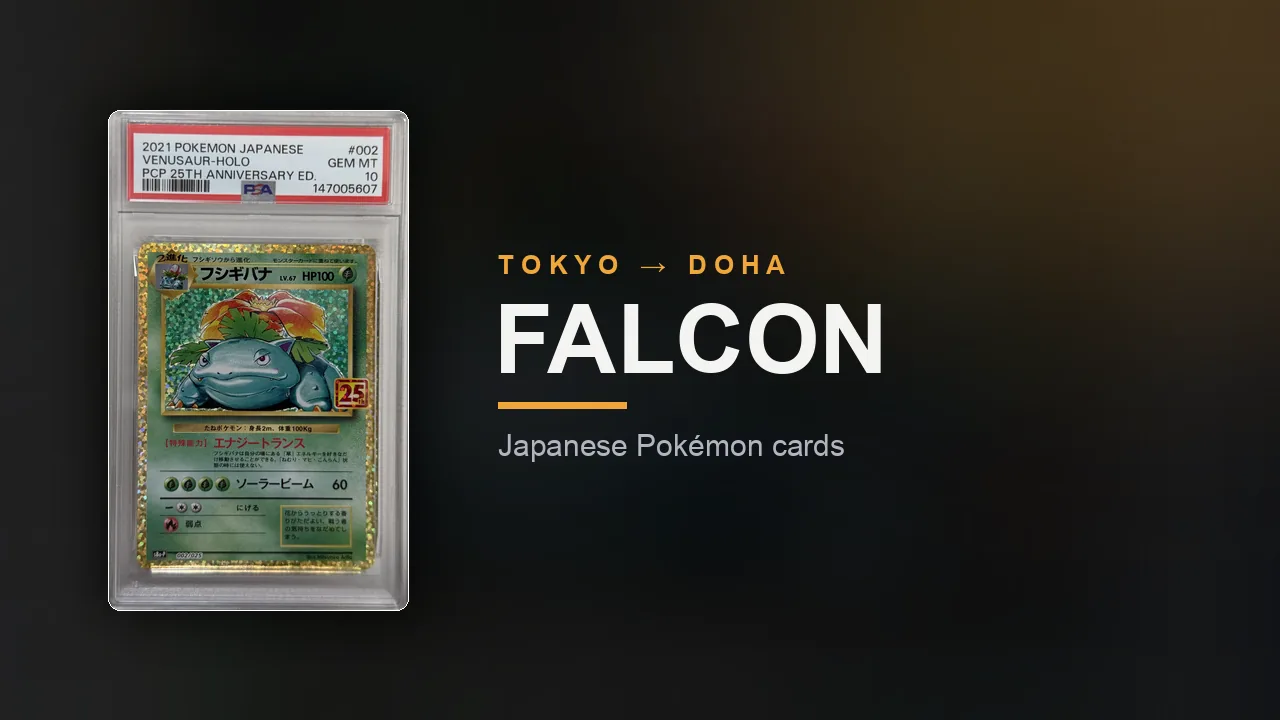
What the label should show
- The card name, the set it belongs to, and the year, so you can confirm the slab matches the exact card being sold.
- The overall grade, printed clearly, such as Gem Mint 10 or Mint 9.
- The certification number, a unique string that identifies this specific graded card in the company database.
- Crisp, correctly aligned printing, since a genuine label is clean and professional rather than blurry, crooked, or uneven.
How to use the certification number
- Read the cert number from the label, ideally from a clear photograph the seller provides before you buy.
- Enter it into the grading company official online verification lookup, which is the authoritative source.
- Compare the card name, set, and grade shown in the lookup against the slab in the listing, and check any photo on record.
- Treat a perfect match as strong evidence the slab is genuine, and treat a missing number or a mismatch as a serious warning to stop.
The slab itself should also be inspected for signs of tampering. A genuine slab is a clean, fully sealed case with no cracks, no pry marks, no reglued seams, and no evidence that it has been opened and closed again. One of the classic frauds is to open a real slab, swap the genuine card for a lesser one, and reseal it, so any sign that the case has been disturbed matters as much as the label. A slab that looks factory-sealed and whose cert number checks out cleanly is one you can trust with real confidence.
Cross-checking a cert number is not paranoia and it is not rude. It is a completely normal step that a genuine seller will expect and welcome, because a real graded card has nothing to hide. If a seller cannot or will not provide a clear photo of the label and its certification number, that reluctance is itself a red flag. The single habit of verifying the cert number before you pay defeats a large share of the fraud that exists in the graded market.
PSA versus BGS and CGC
PSA is the most recognized grading company, but it is not the only reputable one. The two names you will encounter most often alongside it are BGS, which stands for Beckett Grading Services, and CGC, which grades trading cards among other collectibles. Each authenticates cards and grades condition on its own scale, with its own label design and case style, and each has earned a following among collectors. Understanding how they relate helps you compare listings sensibly rather than assuming that the same number means the same thing everywhere.
The main differences at a glance
- PSA typically assigns a single overall grade and is the most widely recognized, which makes its cards the easiest to buy and sell at broadly agreed prices.
- BGS is known for printing subgrades for centering, corners, edges and surface, and for a highly prized top designation, often called the Black Label, when all four subgrades reach the maximum.
- CGC grades on a similar overall concept and has built a dedicated following, with collectors who value its case design and its handling of certain card types.
- All three do the same core job of authenticating a card and describing its condition consistently, so the differences lie in scale details, presentation, and how the wider market prices each label.
For Japanese Pokemon cards specifically, PSA graded cards tend to be the most liquid, meaning they change hands most easily at prices the whole market understands, because PSA recognition is so widespread. That liquidity is a real, practical advantage, especially if you might sell one day. It does not, however, make cards from other reputable graders inferior. A high BGS grade can be extremely desirable, and some collectors genuinely prefer the look, the detail, or the case of a particular company.
The essential discipline when comparing across companies is to compare like with like. A grade from one company is not automatically equal to the same number from another, because the scales and standards differ in their details. When you weigh two listings against each other, note which company graded each card, understand what that company scale means, and price accordingly rather than assuming a nine is a nine everywhere. If you are new to graded cards, PSA is often the simplest place to begin, but there is nothing wrong with owning cards from other trusted graders once you know how to read their labels.
Is it worth sending a card to be graded
Grading costs money and takes time, so it is never automatically the right move for every card. Deciding whether to grade a card you own, or whether to value a raw card for its grading potential, comes down to weighing the likely gain in value and confidence against the cost and the wait. For a great many perfectly nice cards, the honest answer is that grading is not worth it, and the card is best enjoyed raw.
When grading tends to make sense
- The card is valuable enough that a strong grade would add meaningfully more than the grading cost.
- The card is in high enough condition that it has a realistic chance of earning a top grade, where the premium is largest.
- Authenticity matters to buyers, so a slab that proves the card is genuine adds real confidence and marketability.
- You intend to sell or trade, and a widely recognized grade will make the card easier to move at a fair price.
When it usually does not
- The card is low in value, so the grading cost could easily exceed any premium a grade would add.
- The card has visible wear that would earn a low grade, which rarely adds enough value to justify the expense.
- You simply want to enjoy the card yourself and have no plan to sell, in which case protection can be achieved with sleeves and holders at a fraction of the cost.
There is also an element of uncertainty that every honest discussion of grading must acknowledge. Grading involves human judgment applied to defined standards, and outcomes at the margins can vary. A card that looks like a strong candidate for the top grade might come back one step lower, which is why some collectors even resubmit cards hoping for a better result. For a buyer, the lesson is simply that a graded card reflects one assessment at one time, reliable and useful, but not a mystical absolute. And it means you should never regard a raw card as lesser by default, since for that particular card grading may never have been worth undertaking at all.
Buying graded cards with confidence
Everything covered so far comes together at the moment of purchase, when you decide whether to trust a graded card enough to pay for it. The reassuring truth is that buying graded cards well is a repeatable process rather than a matter of luck. If you insist on the same handful of safeguards every time, you filter out the overwhelming majority of problems before any money changes hands.
The buyer checklist
- Insist on clear photographs of the actual card and slab you will receive, not a stock or borrowed image that could belong to any copy.
- Read the label and confirm it matches the exact card, set, year and grade being sold.
- Verify the certification number against the grading company official lookup, and compare it with the slab and any photo on record.
- Inspect the slab in the photos for cracks, pry marks, or reglued seams that could indicate tampering.
- Compare the price against recent sales of the same card in the same grade, and be wary of prices far above or suspiciously far below the market.
- Confirm the card ships insured and tracked, and keep every photograph and message as a record.
The single most valuable safeguard on this list is the real photograph. A genuine seller of a specific graded card can show you that exact card, including clear images of the label and the certification number, because the item physically exists in their hands. A seller who offers only generic pictures, avoids showing the cert number, or grows evasive when you ask for close-ups is telling you something important through that reluctance. Real, verifiable evidence of the actual item is worth more than any reassuring words.
It also helps to develop an eye for genuine cards even inside a slab. Authentic Japanese cards show consistent, correctly registered printing, appropriate gloss and texture, and holographic patterns that behave predictably under light. When you can see the card clearly through the case, and it matches known genuine examples while its cert number checks out, you have layered several independent forms of evidence on top of one another. That layering, rather than any single check, is what makes a graded purchase genuinely safe.
Storing graded cards in the Gulf climate
A graded card arrives already protected inside its sealed slab, which handles the physical risks of scratching and bending far better than a bare card. But the slab is not a climate-controlled vault, and the environment still matters, especially in a region as hot and, near the coast, as humid as Qatar. Storing graded cards well is simple, but it is not something to ignore, because heat and light can degrade a card even inside its case over time.

Sensible storage habits
- Keep graded cards indoors in a cool, air-conditioned, low-humidity space, away from windows and exterior walls where heat builds up.
- Avoid sudden temperature swings, such as moving cards in and out of a hot car or garage, since consistency matters as much as the temperature itself.
- Keep slabs out of direct sunlight, because ultraviolet light can fade colours and dull a card permanently even through the case.
- Store slabs upright in a protective box or a dedicated case rather than stacked loose where they can shift and scratch against each other.
- For treasured pieces, consider a display kept in a shaded spot, and rotate anything on show so it is not exposed to light continuously.
None of this is difficult or expensive, and it is one of the clearest examples of care preserving value. A graded card kept in a steady, cool, dark, dry place will hold both its condition and its presentation for years, while the same card left in heat and sunlight can quietly lose the very qualities you paid a premium for. In a climate like Qatar, treating storage as part of owning the card, rather than an afterthought, is simply good sense.
Three collectors, three sensible decisions
Grading advice becomes far clearer when you see it applied to real decisions, so consider three collectors with different goals. Their stories are illustrative rather than promises, but the habits they share are exactly the ones that turn an anxious gamble into a confident purchase, and each of them leans on the principles this guide has built up.
The collector chasing a Gem Mint centrepiece
A collector in Doha has wanted an iconic card in the top grade for years and finally decides to buy a PSA 10. She understands that the jump to the top grade is the most expensive rung on the ladder, so she goes in knowing she is paying for certified scarcity, not just appearance. She insists on clear photographs of the actual slab, reads the label to confirm the exact card and set, and verifies the certification number against the official lookup before paying. She checks recent sales of comparable PSA 10 copies to judge a fair price, buys with insured and tracked shipping, and stores the slab out of sunlight and heat. Nothing about her purchase is a gamble, because every step is documented and verifiable, and she ends with a centrepiece she can trust for years.
The value-minded buyer one rung down
A second collector loves the same card but has a firm budget, so instead of the top grade he targets a strong PSA 9, or even a clean PSA 8. He has learned from the price ladder that the rung just below the top often delivers most of the visual quality for a fraction of the price, and when he compares photographs of a 9 and a 10 side by side he can barely tell them apart at a normal viewing distance. He applies the same verification discipline, confirming the cert number and inspecting the slab, and he walks away with a card that looks superb on his shelf while leaving budget for the next piece. His decision is not a compromise so much as a clear-eyed use of how grading and value actually relate.
The newcomer learning to read grades
A third collector is new to graded cards and cautious about spending. Rather than chase an expensive slab immediately, he starts by studying the four factors on cheaper graded cards, learning to spot centering, corner wear, edge whitening and surface scratches in photographs until the grades start to make intuitive sense. He practises verifying cert numbers even on inexpensive cards, so the habit is second nature before real money is involved. As his eye sharpens, he gradually moves toward higher grades for the cards that matter most to him. His path is the classic sensible one: learn to read grades first, verify everything, and let understanding rather than impatience decide when to spend more.
How FALCON handles graded cards
FALCON is an independent reseller built around a simple aim: to make it straightforward for collectors in Qatar to buy authentic Japanese Pokemon cards, including graded cards, without the usual uncertainty. Cards are sourced in Tokyo, close to the origin of the market, which gives access to a wide range of graded singles and sealed products rather than only what happens to be locally available. Buying at the source is the foundation for everything else in the process.

Every graded card has its certification number checked against the grading company records before it is listed, so the slab in the listing corresponds to a real, verifiable grade rather than an unproven claim. Graded cards are photographed as the actual item you will receive, not a stock image, and the label and certification number are shown so you can verify them yourself. This is the point at which authenticity stops being a promise and becomes something you can confirm independently, which is exactly the standard this guide argues you should demand anywhere you shop.
Prices are shown in QAR with international shipping included, so there is no guesswork about currency conversion at the point of purchase. Orders are packed carefully, typically documented during packing, and shipped from Tokyo with tracking and insurance, with realistic delivery estimates rather than firm guarantees that no one can truly control in international logistics. A WhatsApp concierge is available in English to answer questions, help you find a specific graded card, or arrange a sourcing request for a particular card, set and grade that is not currently listed. Nothing is committed until you approve the specific card in front of you, so a sourcing request is a way to search on your behalf rather than an obligation to buy.
Two limits are worth stating plainly, because honesty is part of the service. FALCON is an independent business and is not affiliated with, endorsed by, or connected to PSA, Pokemon, or Nintendo in any way; it simply resells genuine cards that were produced by those companies and, where applicable, graded by an independent grading company. And while great care goes into sourcing, inspection, packaging and shipping, no seller can control the market or the grading companies, so prices move, and a grade remains one company assessment rather than a guarantee of value. What FALCON can offer is a clear, documented, verifiable buying experience for graded cards.
Disclaimer and your own judgment
Everything in this guide is intended to help you understand grading and buy well, but it cannot replace your own judgment or current official information. Card prices, including the premiums attached to particular grades, are set by a market that moves constantly in response to demand, condition, population, and sentiment. Any figure or relationship described here is a general tendency and a snapshot rather than a promise, and values can fall as easily as they rise.
A grade is one reputable company assessment of one card at one moment in time. It is genuinely useful and worth paying for, but it is an informed opinion sealed in plastic, not a law of nature and not a guarantee of future value. Grading outcomes can vary at the margins because they involve human judgment, population figures grow over time, and nothing about a slab makes a card a certain investment. This guide is not investment advice, and no financial or other outcome is guaranteed.
The strongest protections available to you are the ones this guide keeps returning to: understand what a grade actually measures, verify the certification number and inspect the slab, insist on photographs of the real item, compare prices against genuine recent sales, use insured and tracked shipping, and store your cards with care. The final decision, and the responsibility for it, always rests with you as the buyer. Buy cards you would be glad to own regardless of what the market does next, treat any appreciation as a welcome bonus rather than the point, and let careful understanding, not urgency, guide every purchase.
Frequently asked questions
What does PSA stand for, and why is it so widely used?
PSA stands for Professional Sports Authenticator. It began with sports cards and grew into the most widely recognized grading company across the trading card hobby, including Pokemon. Its recognition matters because it creates liquidity: a card in a widely trusted PSA slab can be sold to a large pool of buyers who already understand what the grade means, which keeps prices consistent and transactions smooth. That shared understanding is why PSA is often the simplest starting point for collectors newer to graded cards, and why PSA graded cards are usually the easiest to buy and sell at prices the whole market agrees on.
What exactly is a PSA 10 Gem Mint?
A PSA 10, labeled Gem Mint, is the top practical grade on the 1 to 10 scale. It is reserved for cards that appear essentially flawless to PSA standards, with sharp corners, clean edges, a clean surface, and centering within tight tolerances on front and back. The key word is essentially: a 10 means the card meets the defined Gem Mint threshold, not that it is molecularly perfect. Because it sits at the top of the scale and demand for it is intense, a PSA 10 usually commands a significant premium over a PSA 9 of the same card, sometimes several times the value, even when the visible difference is subtle.
What are the four factors PSA assesses?
PSA builds a grade from four physical factors: centering, corners, edges and surface. Centering measures how evenly the image sits within the borders on both front and back. Corners are checked for sharpness, since even slight rounding stands out. Edges are examined for nicks, whitening and chipping, which show most on dark borders. Surface covers scratches, print lines, and the condition of any holographic area. The overall grade emerges from all four together, and a serious weakness in any one can cap the grade regardless of how strong the others are. Learning to scan a photograph for all four lets you judge whether a grade looks right.
Why is the price gap between a PSA 9 and a PSA 10 so large?
Value does not rise smoothly with the grade; it climbs in uneven steps that are steepest near the top. The jump to the top grade is usually the largest because demand concentrates there, as the buyers most willing to pay want the best certified example, while supply is limited since only a fraction of cards earn the highest grade. Concentrated demand meeting limited supply drives price up sharply, sometimes to several times the value of the grade below, even when the two look almost identical to the naked eye. With a PSA 10 you are paying for certified scarcity at the top of the scale, not only for a slightly nicer card.
What is a population report and how should I use it?
A population report is a published count of how many copies of a card have received each grade. It reveals not just how rare a card is in general but how rare it is in a specific condition, which explains why two cards with the same grade can sit at very different prices: the one with far fewer copies at that grade is scarcer and can support a higher premium. Population only ever grows as more cards are submitted, so a low count is a snapshot rather than a fixed fact. Use it as context to understand pricing and genuine scarcity, but not as a forecast, since demand must remain for scarcity to matter.
How do I check that a graded card is genuine?
Read the certification number from the label, ideally from a clear photograph the seller provides before you buy, and enter it into the grading company official online verification lookup. Compare the card name, set and grade shown there against the slab in the listing, and check any photo on record. A perfect match is strong evidence the slab is genuine; a missing number or a mismatch is a serious warning to stop. Also inspect the slab for cracks, pry marks or reglued seams that could indicate a card was swapped and the case resealed. Verifying the cert number is a normal step that a genuine seller expects and welcomes.
How does PSA compare with BGS and CGC?
All three authenticate cards and grade condition, but they differ in details. PSA typically assigns a single overall grade and is the most widely recognized, making its cards the easiest to buy and sell. BGS is known for printing subgrades for each factor and for a prized top designation when all subgrades reach the maximum. CGC grades on a similar concept with its own following. For Japanese Pokemon cards, PSA graded cards tend to be the most liquid, which is a practical advantage, but cards from other reputable graders are not inferior. The key discipline is to compare like with like, since the same number does not mean exactly the same thing across companies.
Is it worth grading a card I already own?
It depends on the card. Grading tends to make sense when a card is valuable enough that a strong grade would add meaningfully more than the grading cost, when it is in high enough condition to have a realistic chance at a top grade, when authenticity matters to buyers, or when you intend to sell and want a widely recognized grade. It usually does not make sense for low value cards, where the cost can exceed any premium, or for worn cards that would earn a low grade, or when you simply want to enjoy the card and can protect it with sleeves and holders instead. Grading also involves human judgment, so outcomes can vary at the margins.
Are graded cards a guaranteed investment?
No. A grade is one reputable company assessment of one card at one moment in time, sealed in plastic. It is genuinely useful and adds confidence and marketability, but it is an informed opinion, not a law of nature or a guarantee of future value. Prices, including the premiums attached to particular grades, move constantly with demand, condition, population and sentiment, and they can fall as easily as they rise. This guide is not investment advice. The sensible approach is to buy graded cards you would be glad to own regardless of what the market does, verify everything before paying, store them with care, and treat any appreciation as a welcome bonus rather than the point.
How should I store a graded card in Qatar?
A slab protects against handling but not against heat, humidity or sunlight, all of which are real concerns in the Gulf. Keep graded cards indoors in a cool, air-conditioned, low-humidity space, away from windows and exterior walls, and never leave them in a hot car or garage. Avoid sudden temperature swings, since consistency matters as much as the temperature itself. Keep slabs out of direct sunlight, because ultraviolet light can fade colours even through the case, and store them upright in a protective box rather than loose where they can shift and scratch. This simple care preserves both the condition and the value you paid a premium for.